
Last updated September 22, 2026
Level 1 sweep and inspection to the NFPA 211 annual standard - flue, crown, cap, and flashing checked and photographed
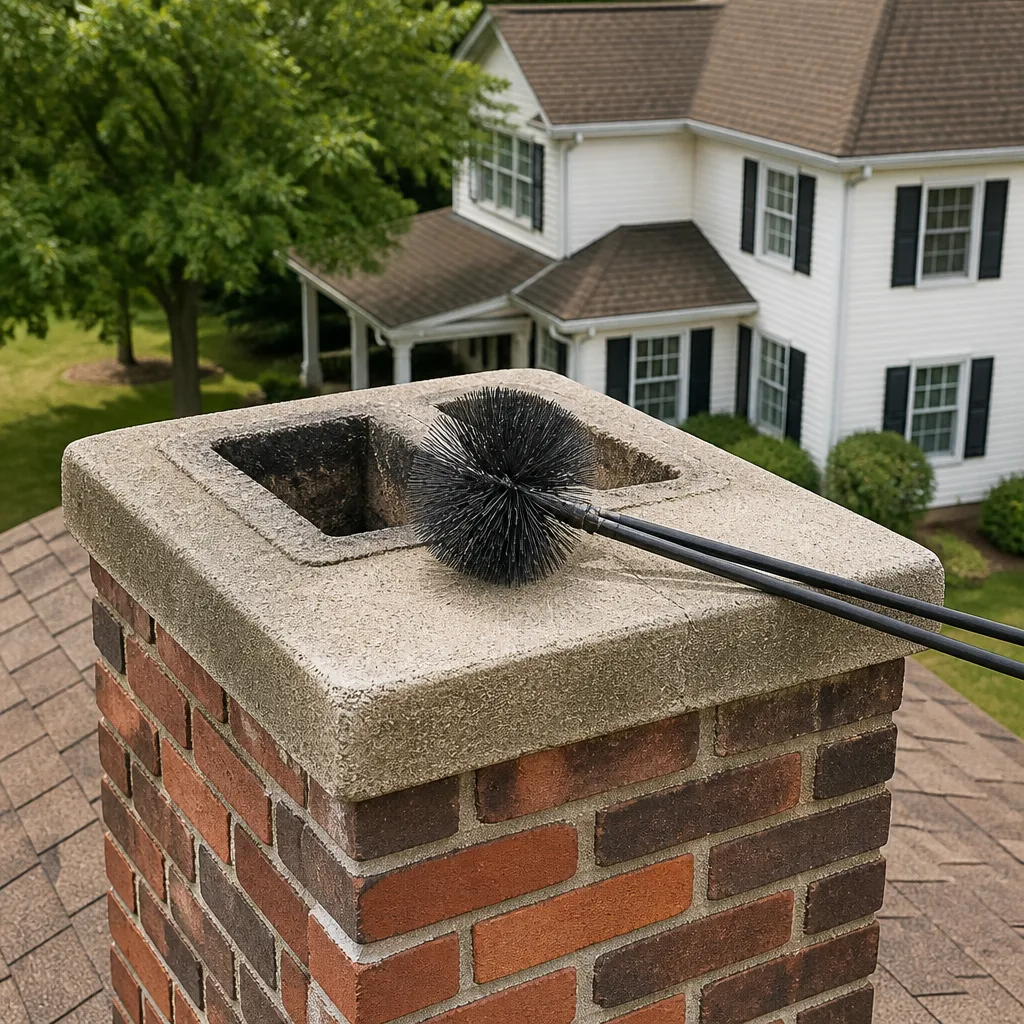
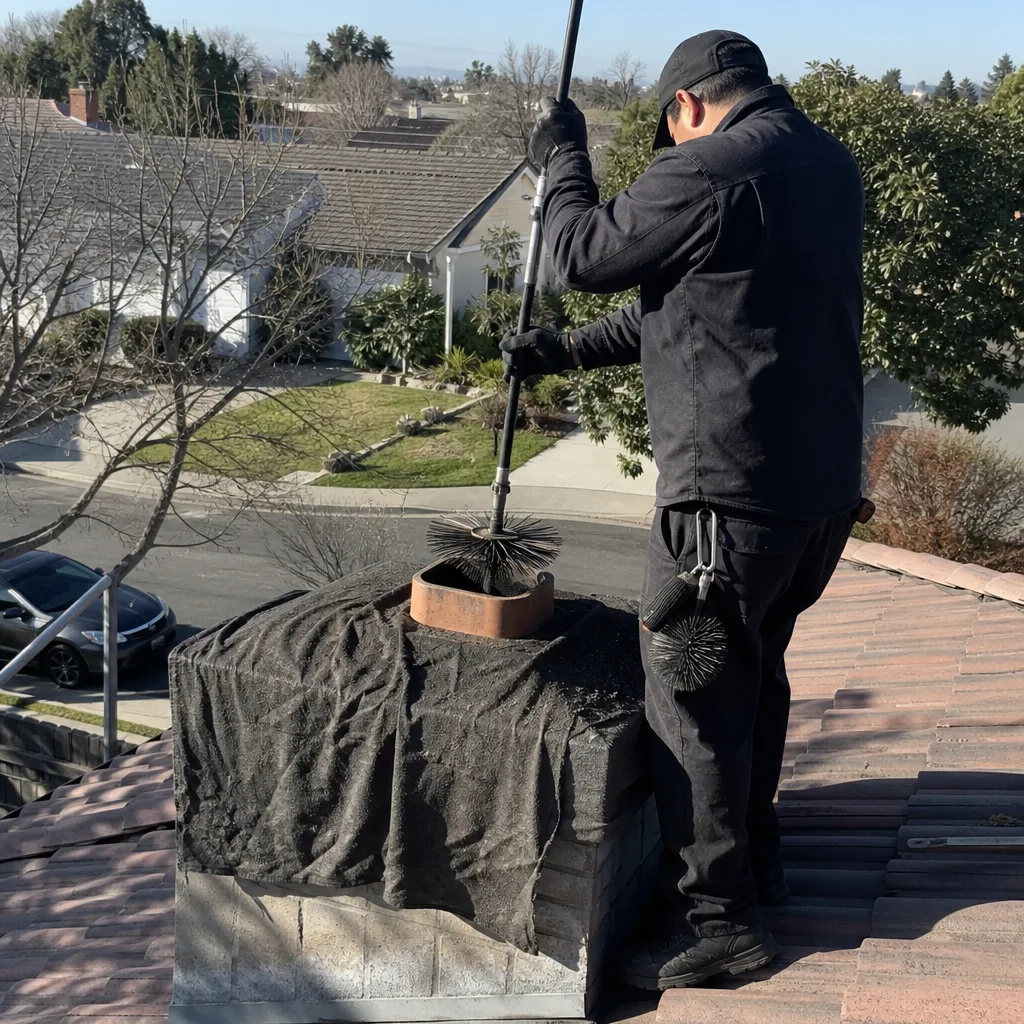
Chimney sweep logs do not sweep chimneys. They loosen some creosote - which then falls where a brush and vacuum still have to collect it.
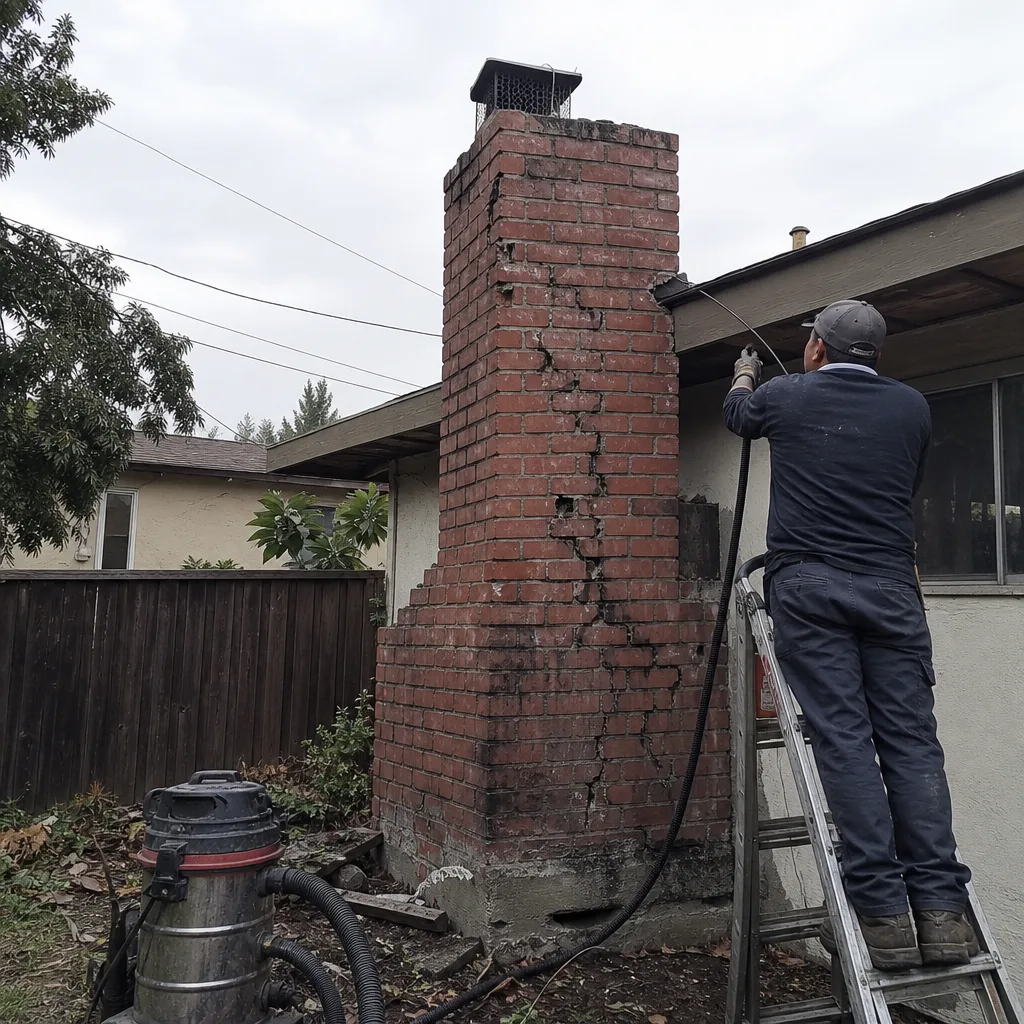 Before
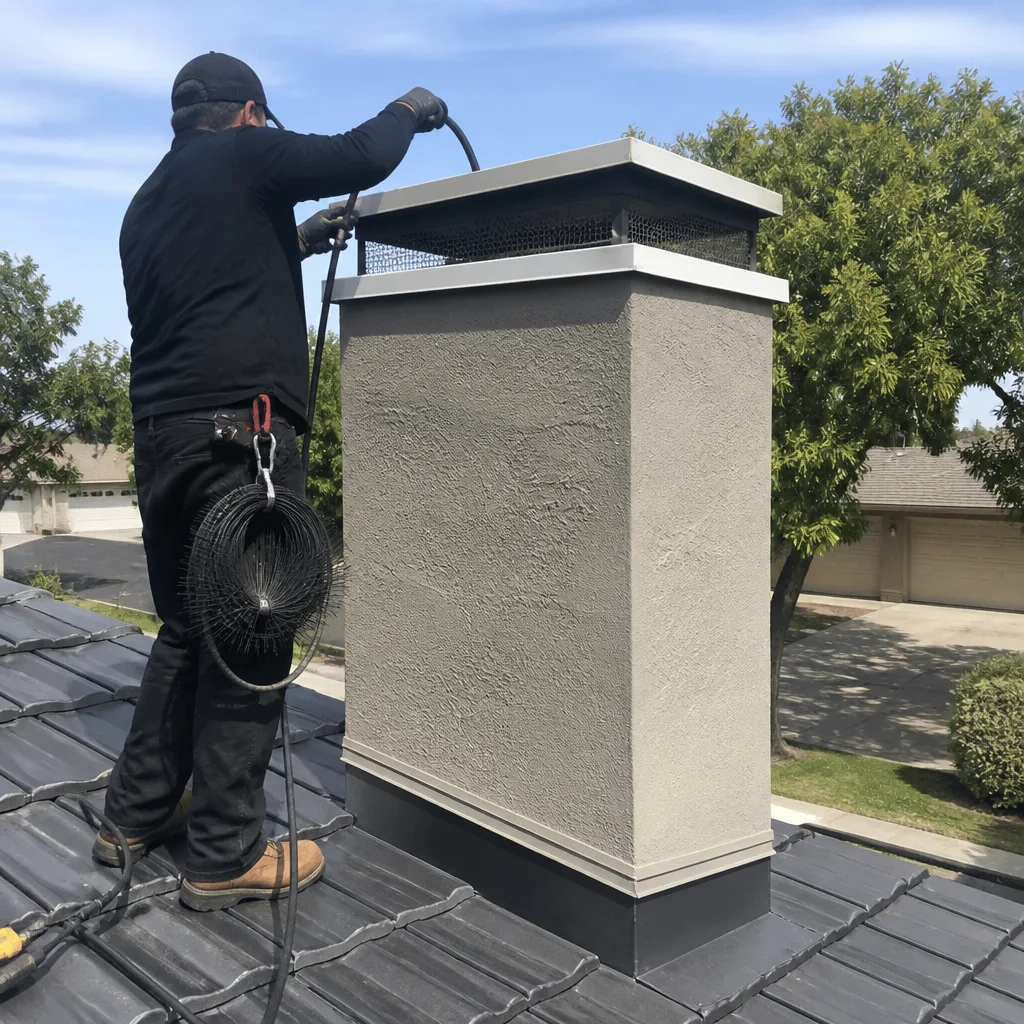 After
After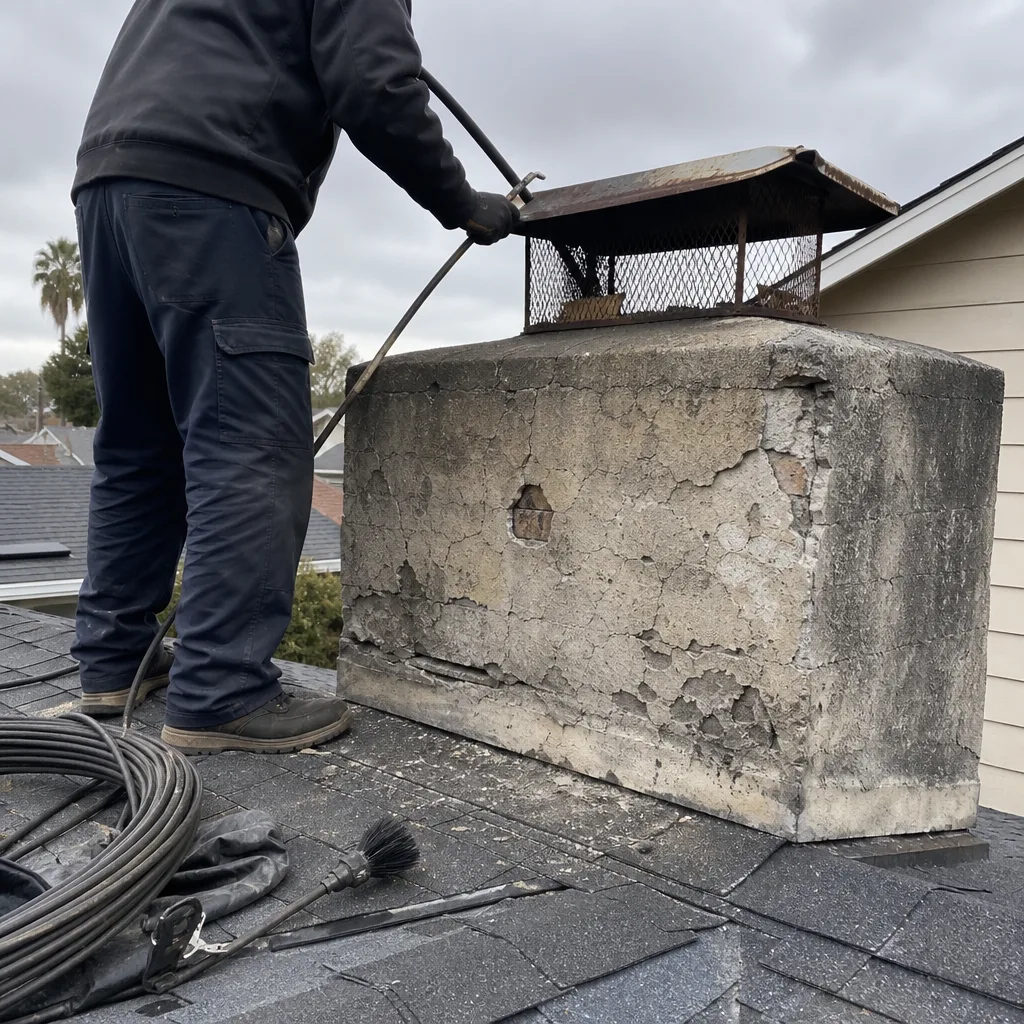 Before
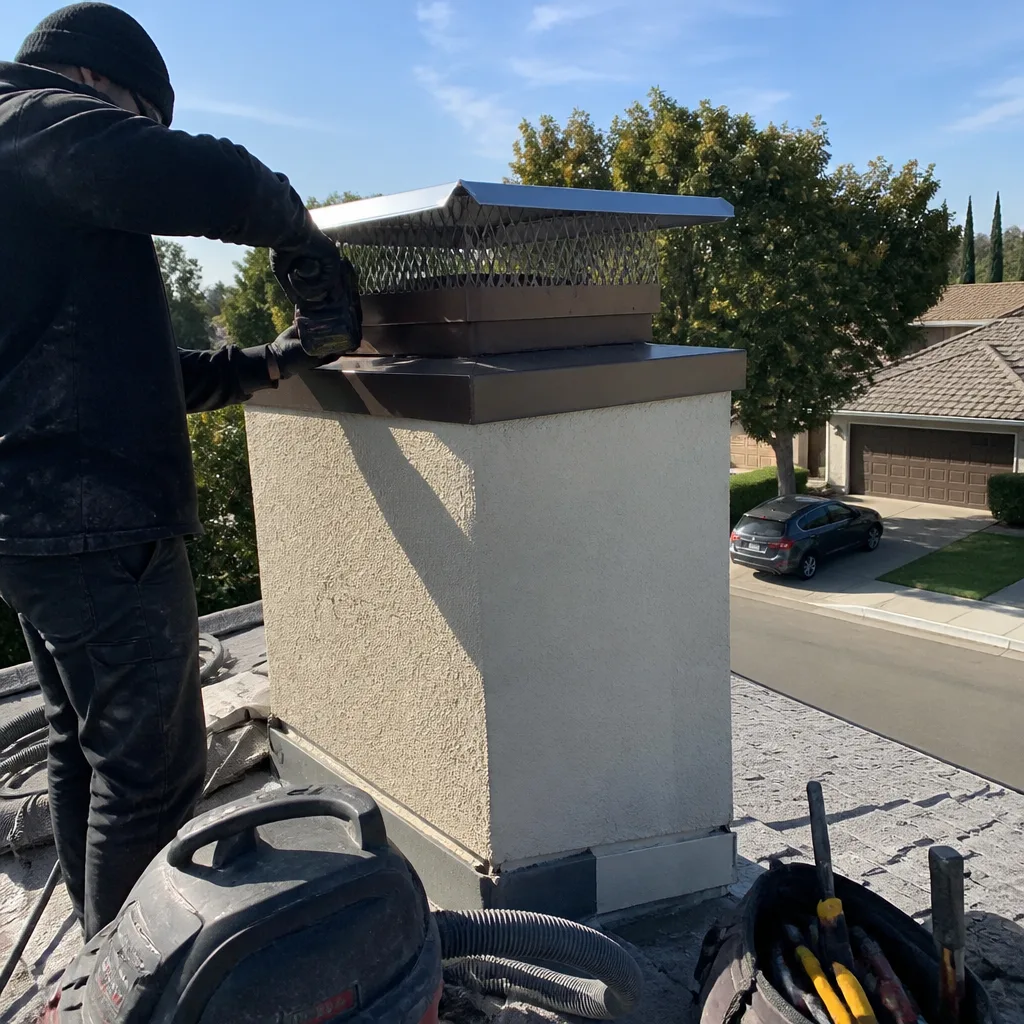 After
After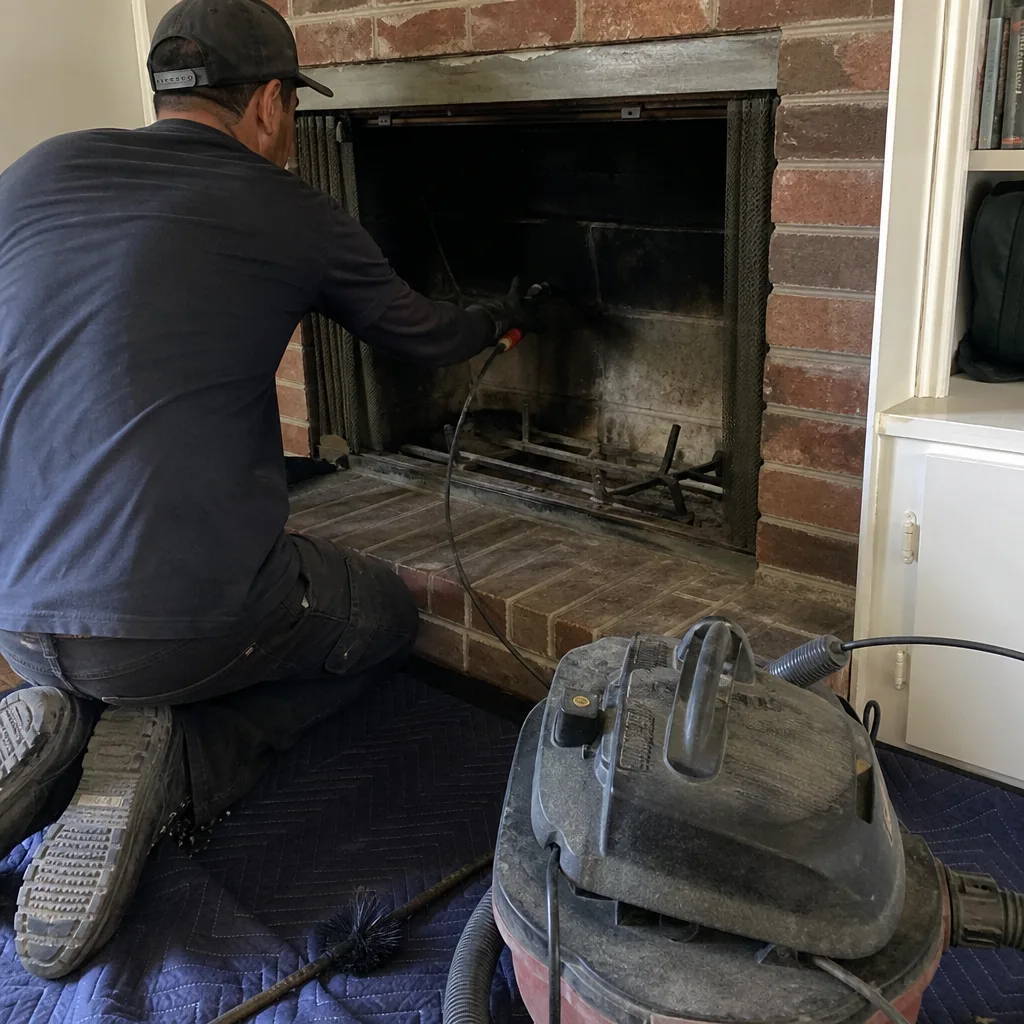 Before
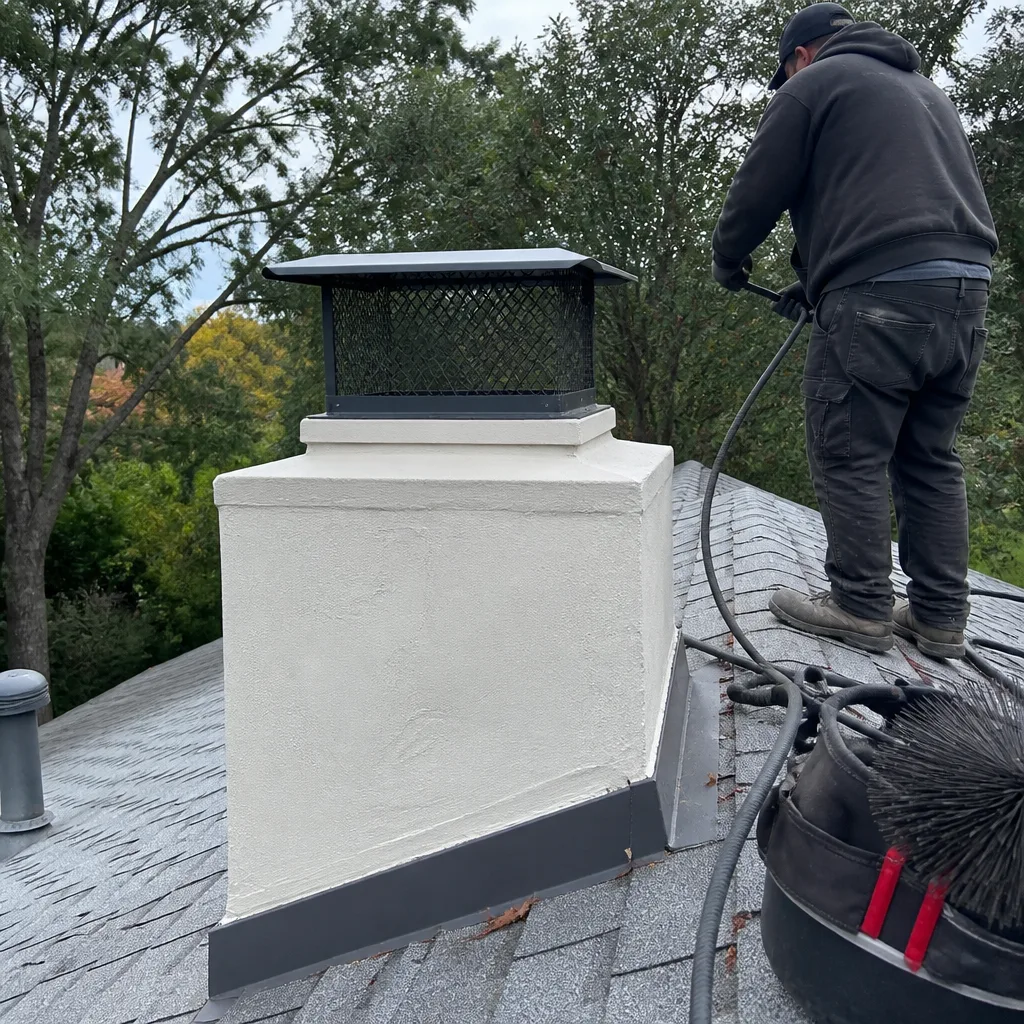 After
AfterHow to Hire a Chimney Cleaning Contractor in Santa Clara: A Step-by-Step Guide
California has no state licensing category for chimney sweeps. A contractor can legally operate with a General B license, no camera, and no written report - and present a CSIA card at your door in Santa Clara. That combination is common here, and it costs homeowners the same $180-$340 rate as fully-documented inspection services. This guide - alongside our Chimney Cleaning Permits, Codes & Inspections in CA: What You Need to Know - shows you how to tell the difference before you book, what documentation to demand, and why the credential most people ask for doesn’t guarantee you’ll get what you paid for.
Quick Answer
To hire a chimney cleaning contractor in Santa Clara, verify they carry general liability and workers’ compensation insurance above state minimums, confirm they perform NFPA 211 Level 2 camera inspections (not flashlight looks), and require a written quote with scope, exclusions, and warranty terms before any work begins. The lowest bid often reflects a sweep-only service with no documentation; a proper inspection in Santa Clara’s clay-heavy soil and mild, wet winter climate should include interior flue photos and a written record you can use for insurance or resale.
Table of Contents
- The California Licensing Gap: What “Certified” Actually Means
- Three Questions to Ask Before Booking
- How to Verify Insurance (Beyond “We’re Insured”)
- What a Written Pre-Work Quote Should Contain
- Red Flags in Online Reviews
- The Post-Job Documentation Standard
- Santa Clara-Specific Considerations
- Common Mistakes to Avoid
- When to Call a Professional
- Frequently Asked Questions
- The Bottom Line
 Before
 After
AfterThe California Licensing Gap: What “Certified” Actually Means
Most Santa Clara homeowners start their search by asking for a CSIA-certified sweep. That’s reasonable. The Chimney Safety Institute of America administers a respected written exam covering codes, standards, and safety practices. Passing it demonstrates book knowledge.
What it does not require: owning a chimney camera, carrying insurance above California’s legal minimums, or providing a written report to the customer. A contractor can hold CSIA certification, arrive at your Santa Clara home with a brush and a flashlight, charge $220 for what they call an “inspection,” and leave you with nothing in writing. That’s legal. It’s also common.
We’ve seen this in neighborhoods from Rivermark to Old Quad. A homeowner receives a verbal “all clear,” burns through the season, and discovers during a home sale inspection that the flue liner has spalling (flaking concrete) or the smoke chamber has dangerous gaps. No photos were taken. No report exists. The “certified” sweep is long gone, and the homeowner now faces a $2,800-$4,500 repair to close escrow.
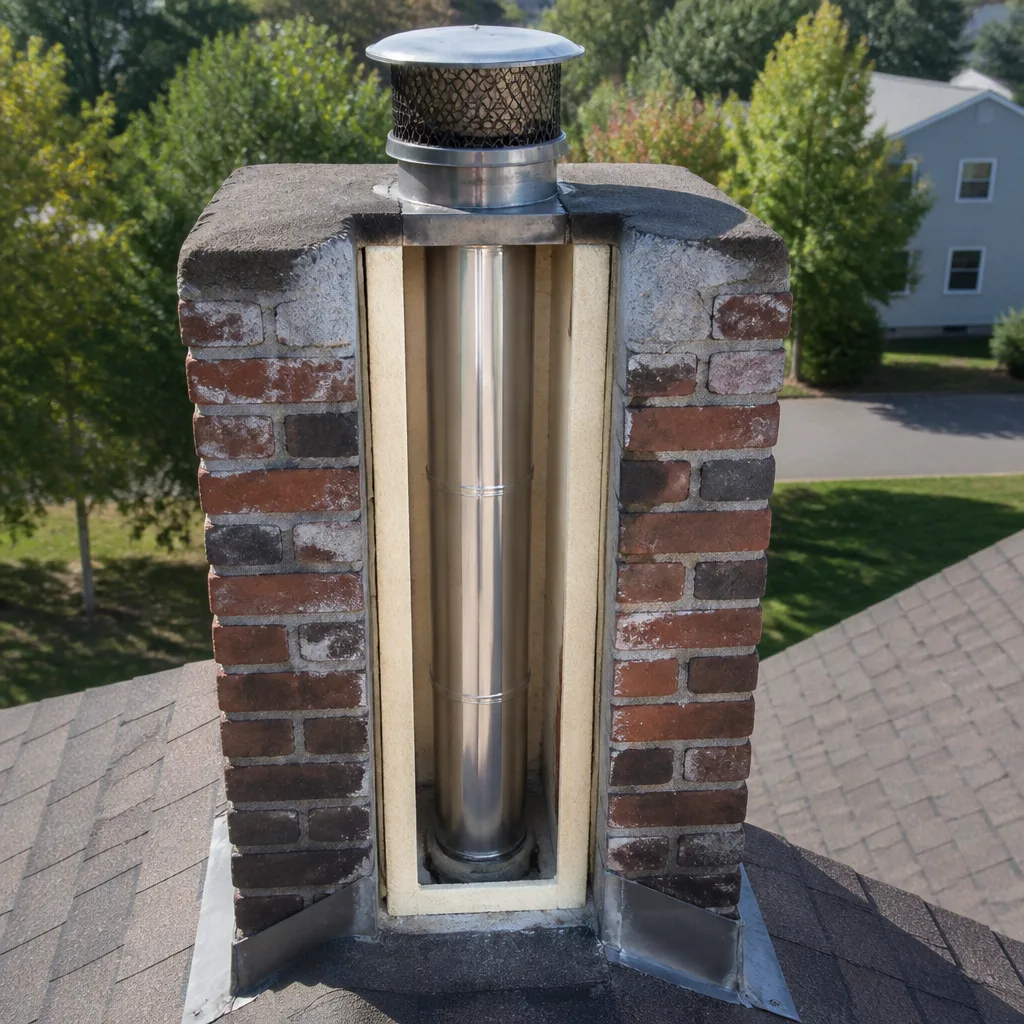
The credential that actually protects you is not a card. It’s a documented standard of practice. NFPA 211, the National Fire Protection Association’s standard for chimneys, specifies Level 1, Level 2, and Level 3 inspections. Only Level 2 requires a camera scan of the interior flue. In Santa Clara’s housing stock - heavy on 1960s-1990s construction with original clay flue liners - that interior view is where the real problems hide.
CSIA certification is a starting point, not a guarantee. The question to ask is not “Are you certified?” but “What does your inspection produce?”
Three Questions to Ask Before Booking
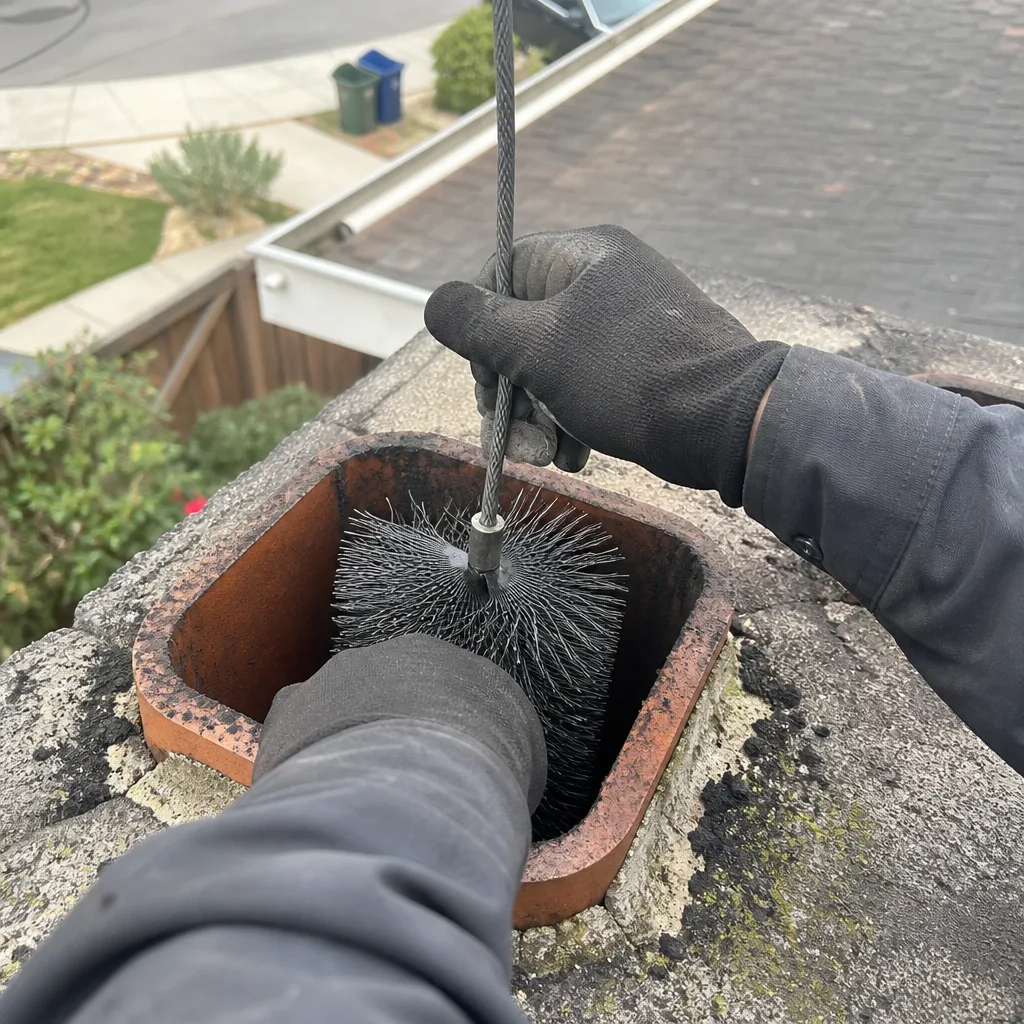
These three questions separate camera-based inspections from cosmetic sweeps. Ask them in this order. The answers will tell you whether you’re hiring a documentation service or a brush-and-vacuum operator.
Question 1: “Do you perform a camera inspection of the interior flue, and do I receive the photos?”
Disqualifying answers: “We can see everything we need with a flashlight,” “The camera is extra,” or “Our technician will let you know if he finds anything worth photographing.”
Acceptable answer: “Yes, we run a camera the full length of the flue on every inspection, and you receive dated photos with your written report.” At Level Two Chimney Santa Clara, this has been Clause 4 of the Haven Standard since 2009. The camera doesn’t find problems “worth” documenting. It documents the condition of the flue, period.
Question 2: “Will I receive a written quote with scope and exclusions before any work begins?”
Disqualifying answers: “We price after we see it,” “Our technician will explain the cost on site,” or “We email the invoice after we’re done.”
Acceptable answer: “You’ll have a written price, written scope, and written warranty in hand before work starts.” This is Haven Standard Clause 1, H.A.V.E.N. “Have it in writing.” Verbal quotes have no value in a dispute. A written quote with specific exclusions (“price does not include masonry repair above roofline,” “smoke chamber parging quoted separately if needed”) protects both parties.
Question 3: “What insurance coverage do you carry, and can you provide a Certificate of Insurance naming me as additional insured?”
Disqualifying answers: “We’re fully insured, don’t worry,” “Our policy details are confidential,” or any refusal to provide a COI.
Acceptable answer: “We’ll email you a Certificate of Insurance before your appointment.” For chimney work in California, you want to see general liability of at least $1 million per occurrence and workers’ compensation if the company has employees. Roof work, ladder work, and interior access all create exposure. The additional insured endorsement costs the contractor nothing and takes 24 hours to produce.
Any contractor who hesitates on any of these three questions is telling you something about their operation. Listen.
How to Verify Insurance (Beyond “We’re Insured”)
“We’re insured” is the most common phrase in contractor marketing and the least meaningful. In Santa Clara County, a General B contractor can operate with general liability coverage at California’s statutory minimum - currently $1 million aggregate, which sounds substantial until you understand how quickly it depletes in a serious claim.
For chimney work specifically, you should verify three coverage types:
- General liability: Minimum $1 million per occurrence, $2 million aggregate. This covers property damage (a dropped tool through your roof, a fire caused by incomplete cleaning) and bodily injury to non-employees.
- Workers’ compensation: Required by law for any contractor with employees. California Labor Code Section 3700 makes this mandatory. If a worker falls from your roof and the contractor lacks coverage, your homeowner’s policy becomes the target.
- Commercial auto: Often overlooked. The truck in your driveway needs coverage beyond personal auto limits, especially if it’s carrying equipment that could shift or fall.
How to verify: Request a Certificate of Insurance (COI) naming you as “certificate holder” or “additional insured.” This is standard practice in commercial construction and should be routine for residential chimney work. The COI comes directly from the insurance broker, not the contractor, so it can’t be altered. Check the policy effective dates - some contractors maintain coverage only during peak season.
In Santa Clara’s competitive market, we’ve encountered contractors whose general liability excludes “work above 15 feet” or “interior chimney access.” These exclusions render the policy useless for the actual work being performed. Read the COI. Ask questions. A legitimate contractor has nothing to hide.
At Level Two Chimney Santa Clara, we provide COIs on request without hesitation. It’s part of H.A.V.E.N. “Verified crews” - background-checked, uniformed technicians with license information displayed and insurance documented.
What a Written Pre-Work Quote Should Contain
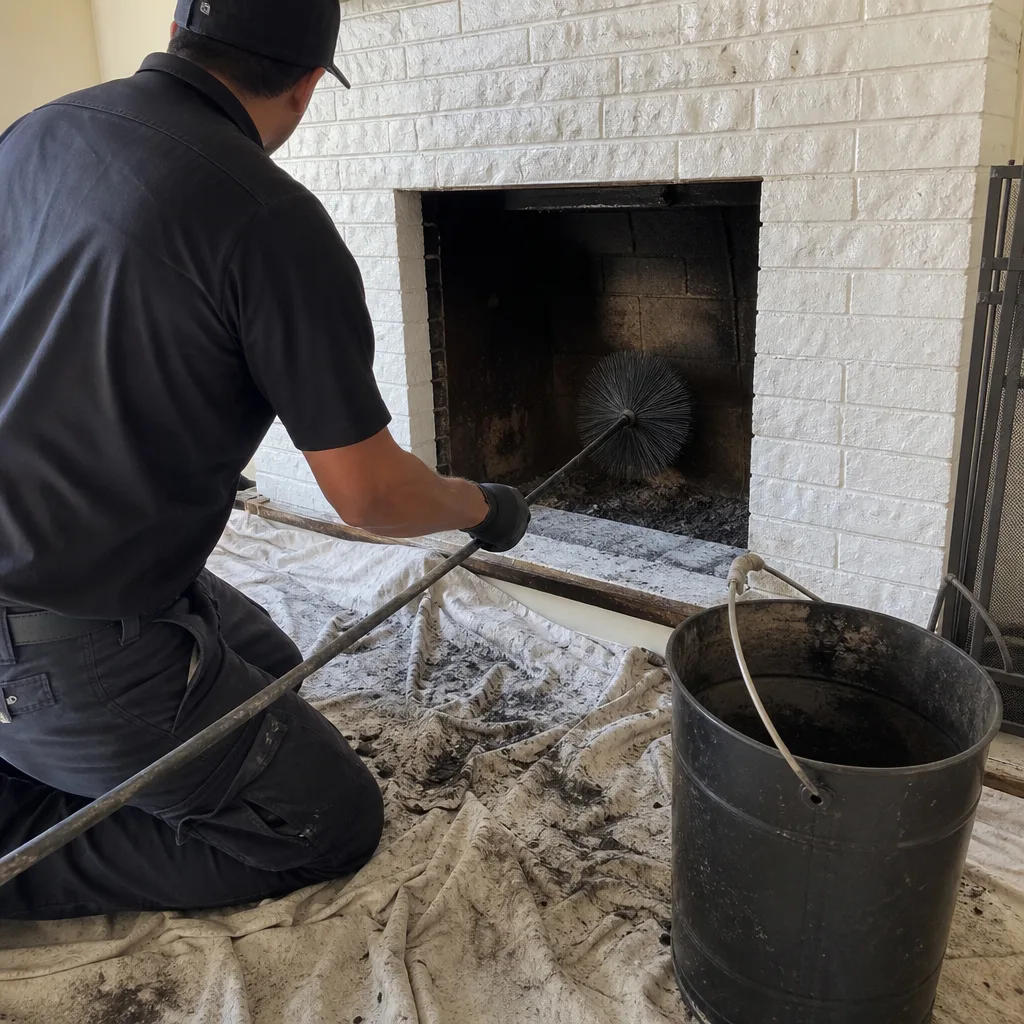
A verbal quote is a conversation. A written quote is a contract. The difference matters when the technician finds “unexpected” damage and the price doubles, or when the finished work doesn’t match what you understood you were buying.
Every written quote for chimney work in Santa Clara should include these elements:
- Scope of work, itemized: “Sweep and NFPA 211 Level 2 inspection of one wood-burning fireplace flue, including camera scan from firebox to crown, creosote removal, and debris disposal.” Not “chimney service.”
- Linear footage or unit pricing: For liner work, the quote should state “up to 25 linear feet” or “$X per linear foot beyond standard.” Santa Clara’s two-story homes common in Westwood Oaks and Laurelwood often exceed standard assumptions.
- Specific exclusions: “Price does not include: masonry repair, crown rebuild, damper replacement, smoke chamber parging, or animal removal. These will be quoted separately if needed during inspection.” This protects you from open-ended billing.
- Materials specified by brand or type: “Stainless steel liner, DuraFlex or equal,” “HeatShield cerfractory foam for smoke chamber repair,” “Gelco cap with 5/8″ mesh.” Generic descriptions (“stainless liner,” “new cap”) allow substitution with inferior products.
- Warranty terms in writing: Duration, what it covers, and what voids it. “365-Day Done Right Promise: if it’s not done right, we make it right.” Not “satisfaction guaranteed” with no definition.
- Payment terms: Deposit amount, balance due, and method. California law limits deposits to 10% or $1,000, whichever is less, for home improvement contracts.
Why this matters in Santa Clara specifically: our housing market moves fast. A documented inspection report with photos, written scope, and written warranty - like the kind detailed in our Seasonal Chimney Cleaning Care for Santa Clara: Year-Round Homeowner’s Guide - becomes a transferable asset at sale. Buyers’ inspectors reference it. Insurance underwriters request it. A verbal “all clear” evaporates the moment the technician drives away.
We deliver written quotes before any work starts on every job - Haven Standard Clause 1, no exceptions. The price you see is the price you pay. If we find additional needs during inspection, we stop, document with photos, and provide a separate written quote before proceeding. You choose. No pressure, no surprises.
Red Flags in Online Reviews
Star averages deceive. A 4.8-average company with 200 reviews can perform cosmetic sweeps exclusively, while a 4.4 with detailed documentation gets dinged for “tried to sell me repairs I didn’t want” - often because they found actual problems and showed the customer photos.
Read review language, not stars. These patterns signal a company that performs sweeps, not inspections:
- “They were in and out in 30 minutes”: A proper NFPA 211 Level 2 inspection with camera scan takes 60-90 minutes for a standard fireplace. Thirty minutes suggests no interior examination.
- “Didn’t make a mess”: Praised for cleanliness, but silence on documentation. The review describes a janitorial service, not an inspection.
- “Great price, no upsell”: Translation: they didn’t find anything, because they didn’t look. In Santa Clara’s aging housing stock, every flue has something worth noting - even if it’s “clean, sound, monitor crown for hairline cracking.”
- Multiple reviews mentioning “quick” or “fast”: Speed is the enemy of thoroughness in this trade.
- No reviews mentioning photos, reports, or “showed me”: A camera inspection produces visual evidence. Customers who receive it talk about it. Absence across dozens of reviews suggests absence of practice.
- Reviews clustered in October-November only: Seasonal operators who disappear after peak season. Who honors your warranty in March?
Conversely, look for reviews that mention specific findings: “Showed me the cracked flue liner on his tablet,” “Explained why the smoke chamber needed parging with photos,” “Gave me a written report for my insurance.” These describe inspection services, not sweeps.
In Santa Clara’s tech-savvy market, customers research extensively. We encourage it. Read our three-star reviews. They often contain the most detailed information about our process, including the occasional customer who found our documentation requirement “too much paperwork.” We’ll take that trade.
The Post-Job Documentation Standard
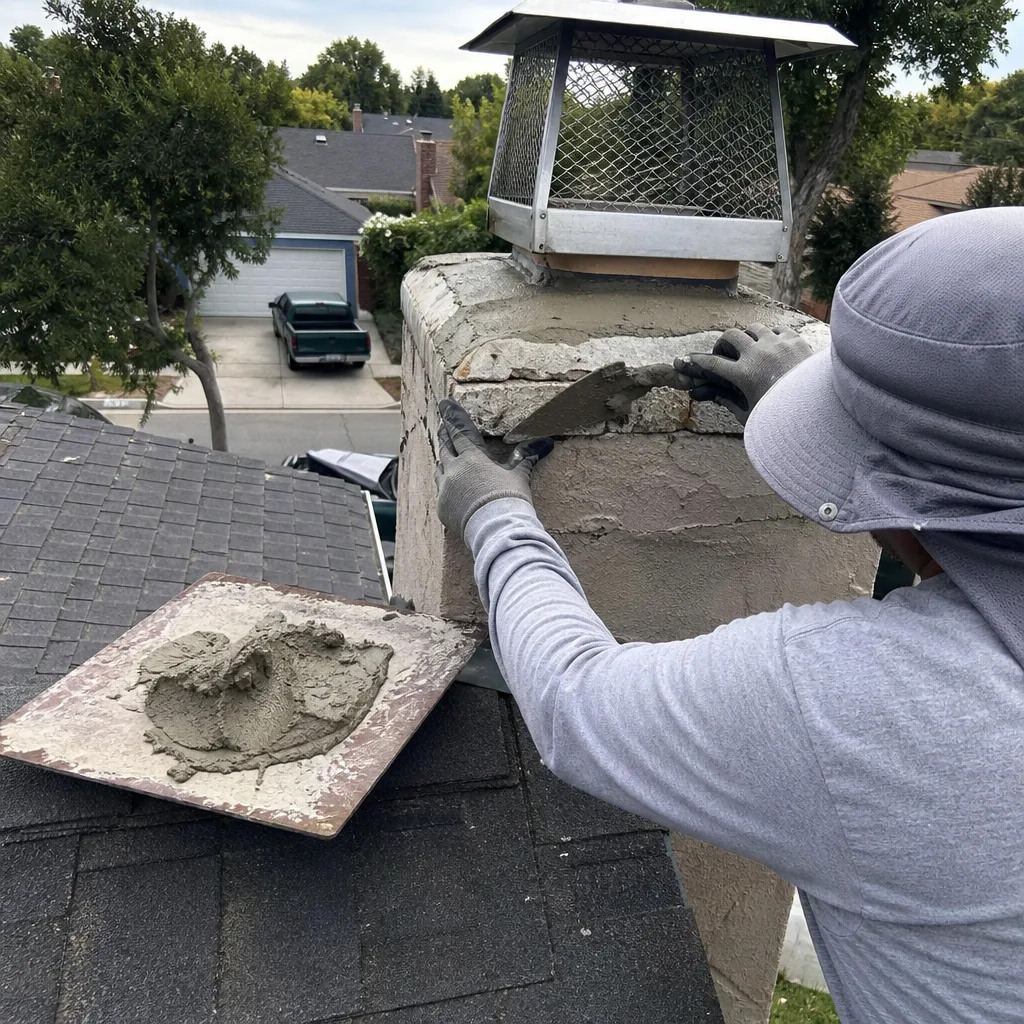
The work isn’t complete when the truck leaves. It’s complete when you hold documentation that protects your home, your insurance claim, and your resale value. Here’s what every Santa Clara homeowner should receive before paying:
Photos: dated, labeled, sequential
Interior flue photos showing clean, sound, or damaged conditions. Crown photos from roof level. Firebox and damper photos. These should be dated and reference your address. Not a generic “clean chimney” stock image.
Written findings report
A document stating what was found, what was done, and what requires monitoring. Not “chimney is fine.” Specific language: “Flue liner intact, minor spalling at third course from top, recommend re-evaluation in 24 months.” Or: “Class I creosote removed, flue clear, no restrictions observed.”
Written invoice matching the pre-work quote
Itemized, with any changes initialed by both parties. If additional work was approved, the original quote and the change order both present.
Warranty document
Specific terms, duration, and contact information for claims. The 365-Day Done Right Promise is stamped on every Level Two job. It’s not a verbal assurance. It’s a document with a claim process.
Why this matters: Santa Clara’s real estate market demands documentation. When a buyer’s inspector finds a “recommend chimney evaluation” note, a two-year-old photo record from a recognized company resolves the issue in hours. A verbal “we had it cleaned” triggers a new inspection, potential repair negotiations, and delayed closing.
We’ve maintained documented photo records on every visit since 2009 - over 38,000 chimneys. That’s Haven Standard Clause 4, born from our own practice before it became industry language. Customers call us years later for copies. We have them.
Santa Clara-Specific Considerations
Chimney conditions in Santa Clara differ from colder climates and from coastal areas. Local factors affect what you need and what you should ask:
Climate and burn patterns: Santa Clara’s mild winters mean shorter burn seasons and lower annual creosote accumulation than Tahoe or the Sierra foothills. But intermittent use creates its own problems: moisture from Santa Clara’s winter rains combines with incomplete combustion during occasional fires, producing glazed creosote (Class III) that’s harder to remove and more flammable than the fluffy Class I common in colder climates. Don’t assume “we barely use it” means clean.
Soil and foundation movement: Santa Clara’s clay-heavy soils expand and contract with moisture. We’ve measured lateral flue liner cracks in homes near the Guadalupe River corridor and in older Rivermark construction where foundation settling transferred stress to chimney structures. A camera inspection reveals these; a flashlight look misses them until they become expensive masonry failures.
Code and permit context: Santa Clara County follows 2022 California Residential Code, which adopts NFPA 211 by reference. No local amendment requires chimney inspection at sale, but many insurers now request documentation for wood-burning appliances. A documented Level 2 inspection satisfies this requirement.
Neighborhood construction eras: Old Quad and Washington Street homes (pre-1950) often have unlined brick chimneys or early terra cotta liners with mortar degradation. 1970s-1990s subdivisions in Westwood Oaks and Briarwood typically have clay flue liners in sound condition but aging crowns and caps. Newer construction in Rivermark may have factory-built metal chimneys requiring different inspection protocols. Ask whether your contractor has specific experience with your home’s construction era.
Air quality regulations: Santa Clara County Air Quality Management District issues Spare the Air alerts that restrict wood burning. A properly functioning chimney with adequate draft reduces incomplete combustion and visible smoke, keeping you compliant. Poor draft from a blocked or damaged flue increases smoke output and violation risk.
Common Mistakes to Avoid
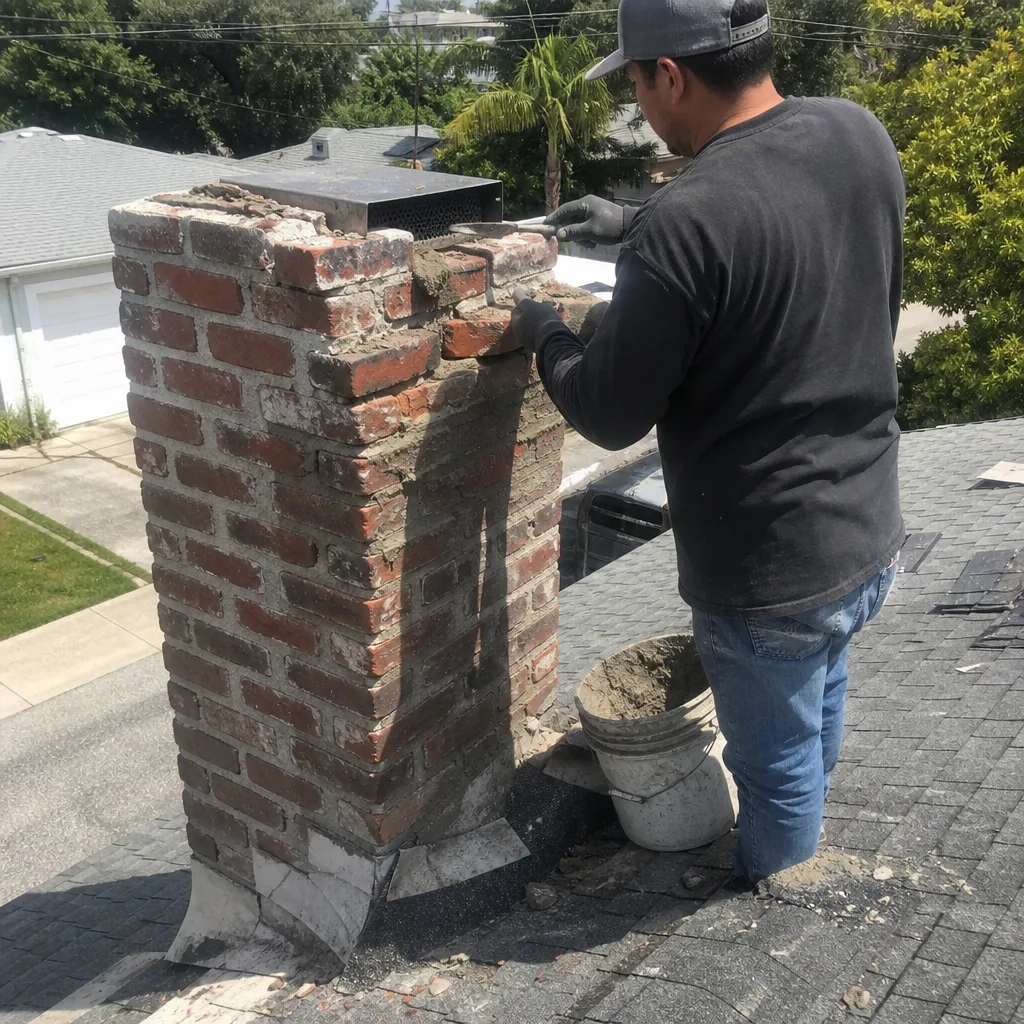
- Booking by price alone: The $149 sweep special in Santa Clara typically includes no camera, no report, and no warranty documentation. You’re paying for a brush rental, not an inspection. The true cost reveals itself at sale or after a chimney fire.
- Accepting “the technician will explain everything”: Verbal explanations evaporate. Written documentation with photos persists. If a contractor won’t put findings in writing, they don’t stand behind them.
- Assuming CSIA certification equals camera inspection: It doesn’t. We’ve covered this, but it bears repeating because it’s the most common and costly assumption in Santa Clara.
- Neglecting to verify workers’ compensation: A solo operator with no employees legally needs no workers’ comp. But many “independent” sweeps subcontract labor or bring helpers. Ask directly: “Will anyone besides the person I’m speaking with enter my home, and are they covered by workers’ compensation?”
- Ignoring the crown and exterior: Santa Clara’s winter rains penetrate cracked crowns and spalling brick, causing freeze-thaw damage in our occasional below-freezing nights. An inspection that stops at the flue misses half the system.
- Waiting for visible problems: By the time you see staining on the ceiling or smell smoke in the living room, damage is advanced. Annual inspection catches conditions before they become symptoms.
- Not requesting a COI for major repairs: Liner replacement, crown rebuild, or chimney rebuilding in Santa Clara involves significant property exposure. The COI costs you nothing and verifies active coverage.
When to Call a Professional
Call for inspection before the burn season begins, ideally September or early October in Santa Clara. Call immediately if you notice smoke backing up into the room, a strong odor when the fireplace isn’t in use, visible cracks in exterior masonry, or white efflorescence staining on the chimney exterior. These indicate active problems that worsen with use.
If you’re purchasing a home, request a Level 2 inspection as part of your contingency period - not a general home inspector’s visual assessment from the roof, but a chimney-specific camera evaluation. The $280-$420 cost frequently identifies $3,000-$8,000 in needed repairs that become negotiation points.
Chimney Cleaning & Sweep in Santa Clara from Level Two includes the full inspection, documentation, and written record. We also offer Chimney Repair in Santa Clara and Fireplace Services in Santa Clara when conditions require more than cleaning. Level Two Chimney Santa Clara offers free estimates in Santa Clara - call (650) 229-6358.
Frequently Asked Questions
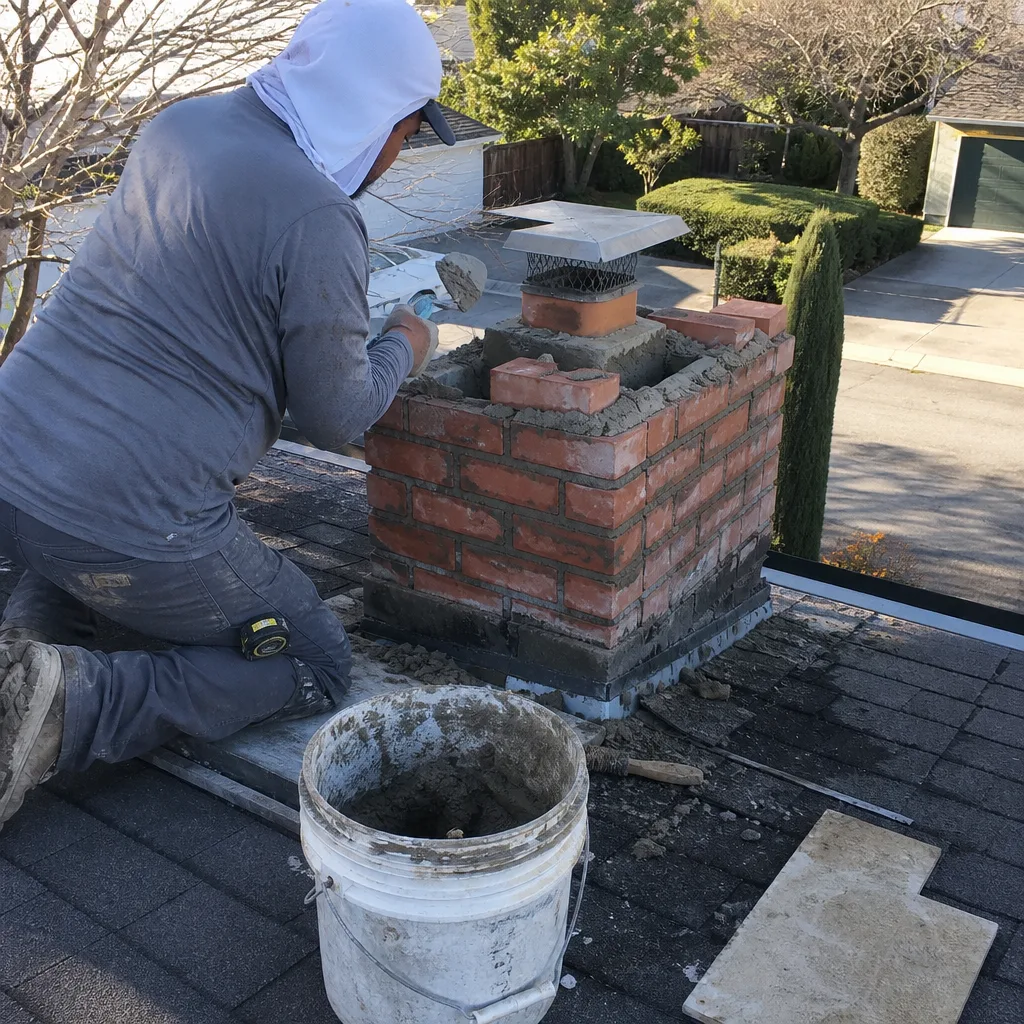
A proper chimney sweep with NFPA 211 Level 2 camera inspection in Santa Clara typically costs $180-$340 for a standard wood-burning fireplace, depending on accessibility, creosote buildup severity, and whether the flue requires rotary cleaning for glazed deposits. Prices below $150 usually indicate a sweep-only service with no interior inspection or documentation. Call (650) 229-6358 for an exact quote - estimates are free.
You need a new liner when the existing one is damaged, improperly sized, or absent - conditions a camera inspection reveals. In Santa Clara, we commonly find cracked clay liners from foundation settling, or unlined brick chimneys in pre-1950 homes that never had one. A damaged liner allows heat transfer to combustible framing and carbon monoxide leakage into living spaces. We never recommend liner replacement without camera evidence you can see, and we’ll tell you plainly when damage is minor enough to monitor rather than replace.
The National Fire Protection Association recommends annual inspection for all chimneys, with cleaning frequency determined by use and creosote accumulation. In Santa Clara’s mild climate with intermittent burning, many homeowners need sweeping every 1-2 years, but annual inspection is still essential because moisture intrusion, animal nesting, and structural deterioration occur regardless of use. If you burn more than three cords of wood annually, sweep every year.
Skipped maintenance leads to three predictable outcomes: creosote accumulation increases chimney fire risk (over 25,000 annual U.S. chimney fires); moisture and acidic combustion byproducts degrade flue liners and masonry; and minor cracks become major structural failures. In Santa Clara’s competitive real estate market, undocumented chimney condition also becomes a sale obstacle. The cost of annual inspection is trivial against these outcomes. Call (650) 229-6358 to schedule - estimates are free.
A Level 1 inspection is a visual examination of readily accessible portions of the chimney exterior and interior, performed without specialized tools - essentially what a home inspector provides. A Level 2 inspection requires a camera scan of the interior flue, examination of accessible attics and crawl spaces, and documentation of findings. In Santa Clara, where clay liner degradation and foundation-related stress cracks are common, Level 2 is the appropriate standard for any property transaction, new appliance installation, or suspected damage.
Chimney sweeping involves working at height on roofs, handling potentially carcinogenic creosote, and evaluating structural conditions that require training to assess safely. For Santa Clara homeowners, we recommend professional service for the inspection component even if you’re comfortable with the mechanical cleaning. The critical value is the camera evaluation of flue liner condition, which no homeowner can perform without specialized equipment. For your safety, have a trained professional handle the full service.
The Bottom Line
Hiring a chimney contractor in Santa Clara is not about finding the lowest price or the most impressive credential. It’s about verifying what the contractor produces: insurance documentation you can verify, a camera inspection of the interior flue, a written quote before work begins, and a written record with photos when it’s done. CSIA certification is a starting point. The Haven Standard clauses - written price, verified crews, documented record, done-right promise - are what protect your home and your wallet. Ask the three questions. Read review language, not stars. Demand documentation. The contractor who welcomes this scrutiny has nothing to hide.
Written by Corrine Halstead, Owner at Level Two Chimney Santa Clara, serving Santa Clara since 2009.