
Last updated September 22, 2026
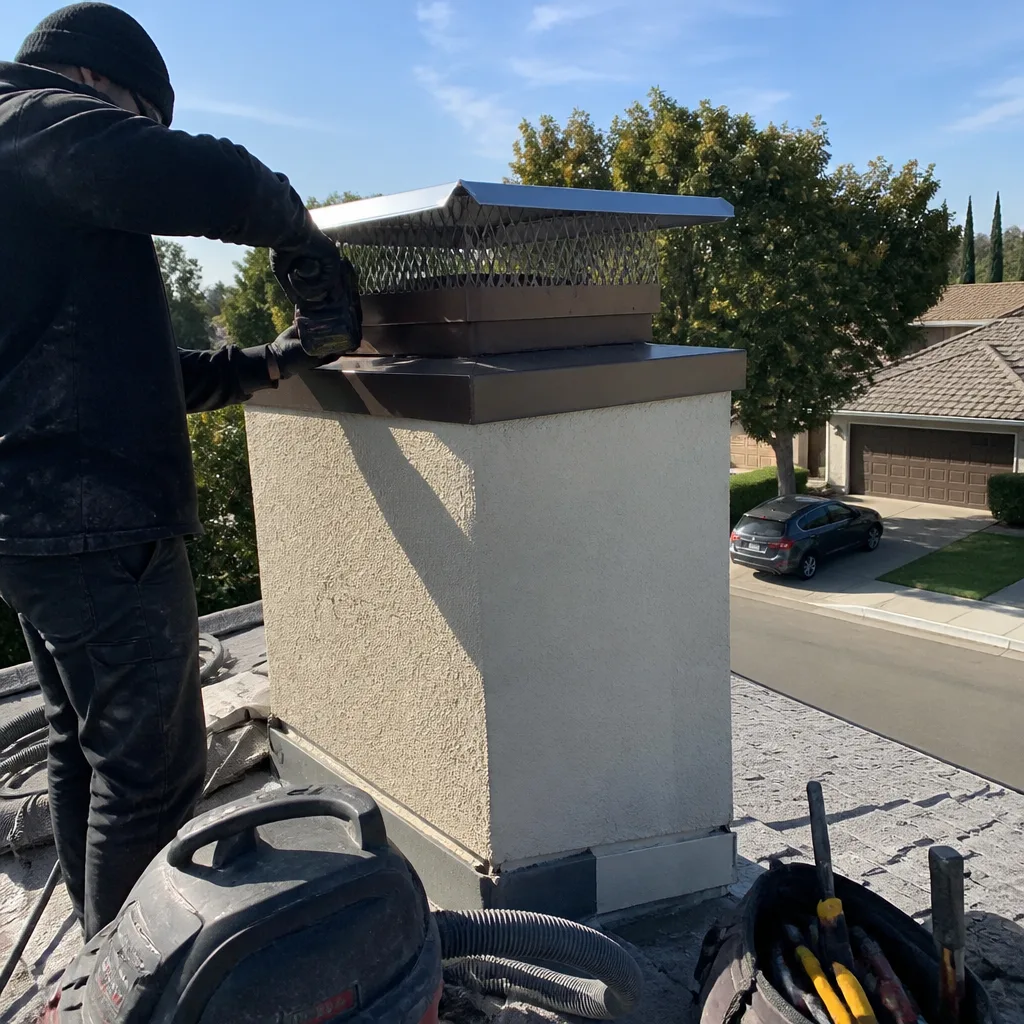
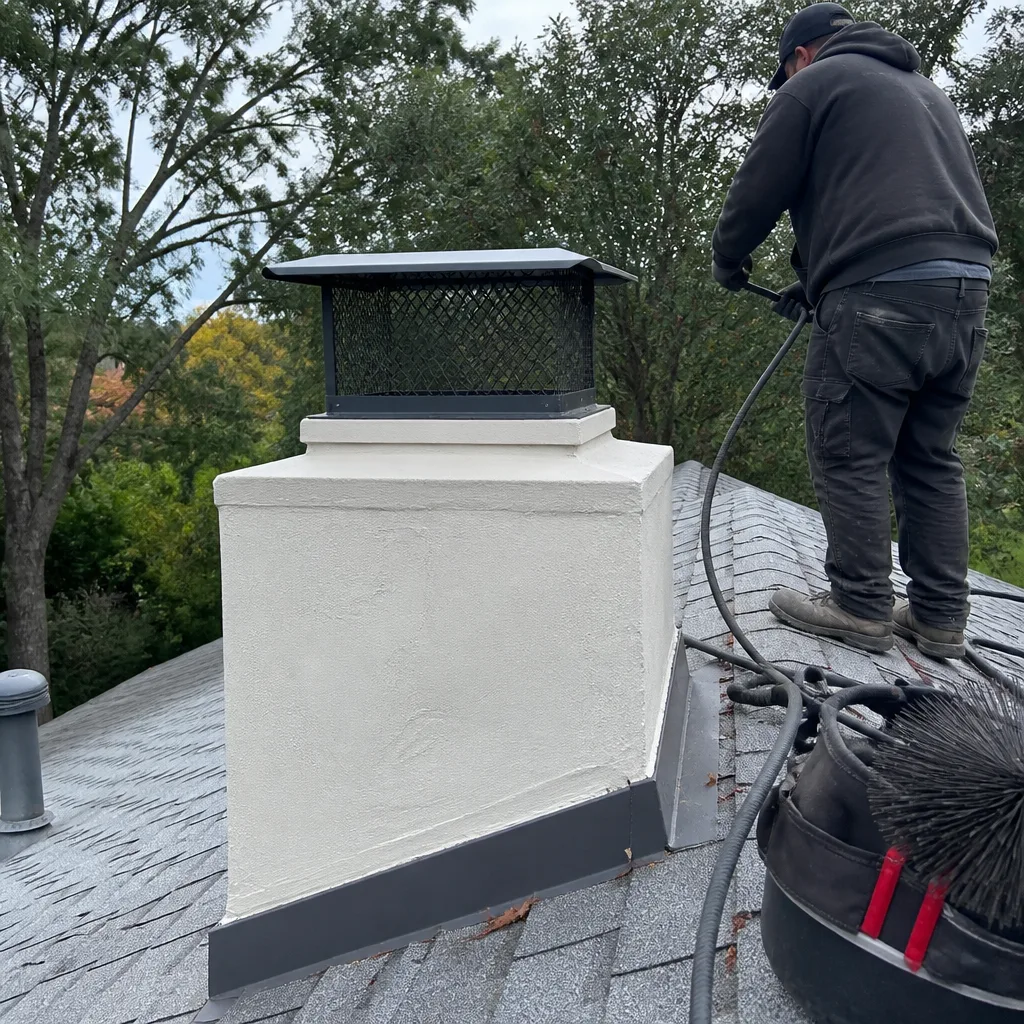
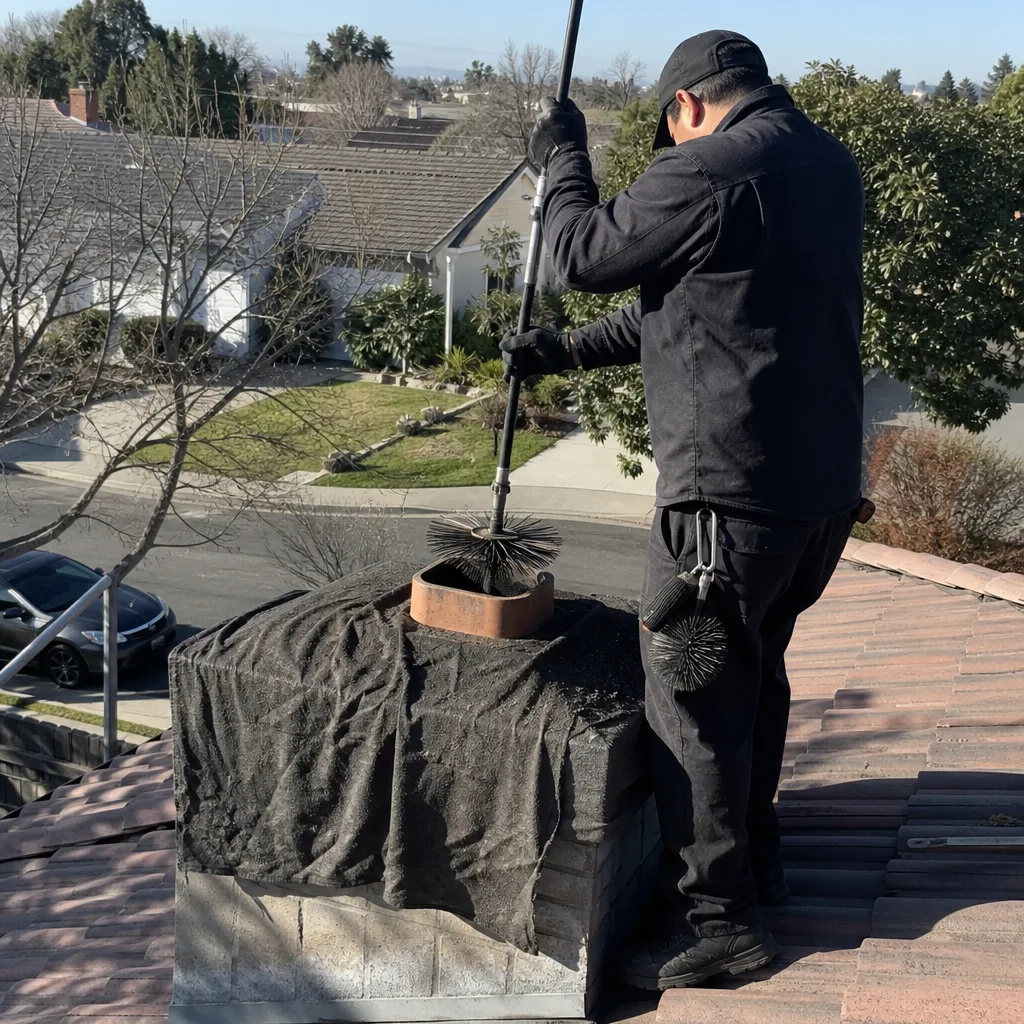
Level 1 sweep and inspection to the NFPA 211 annual standard - flue, crown, cap, and flashing checked and photographed
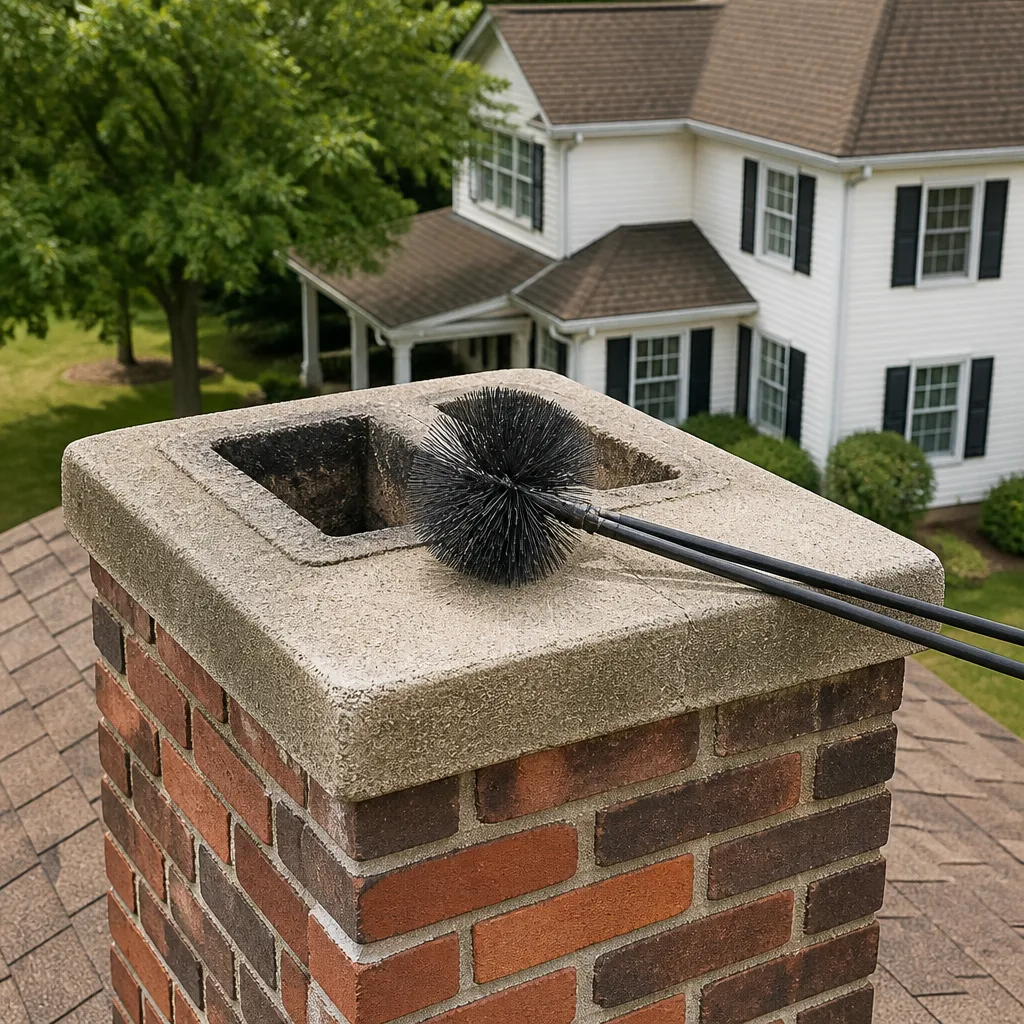
Chimney sweep logs do not sweep chimneys. They loosen some creosote - which then falls where a brush and vacuum still have to collect it.
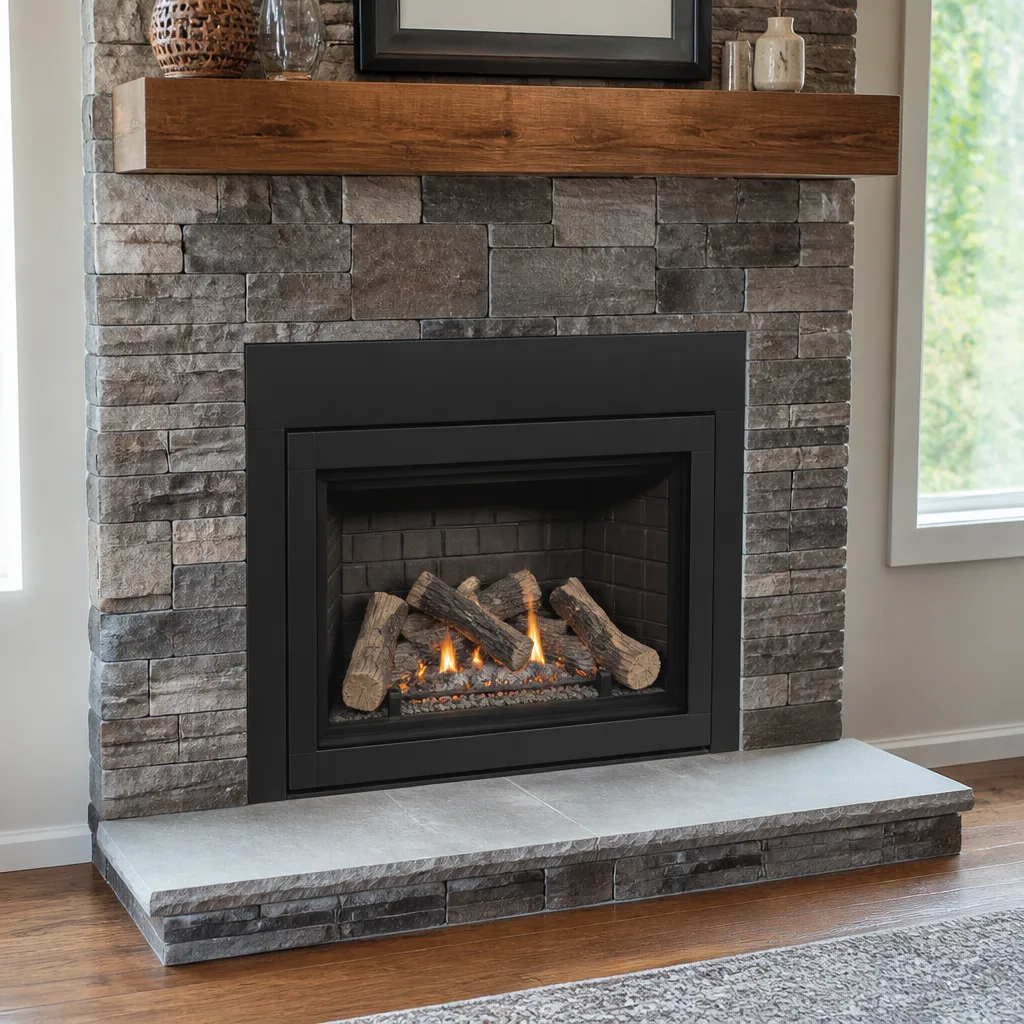
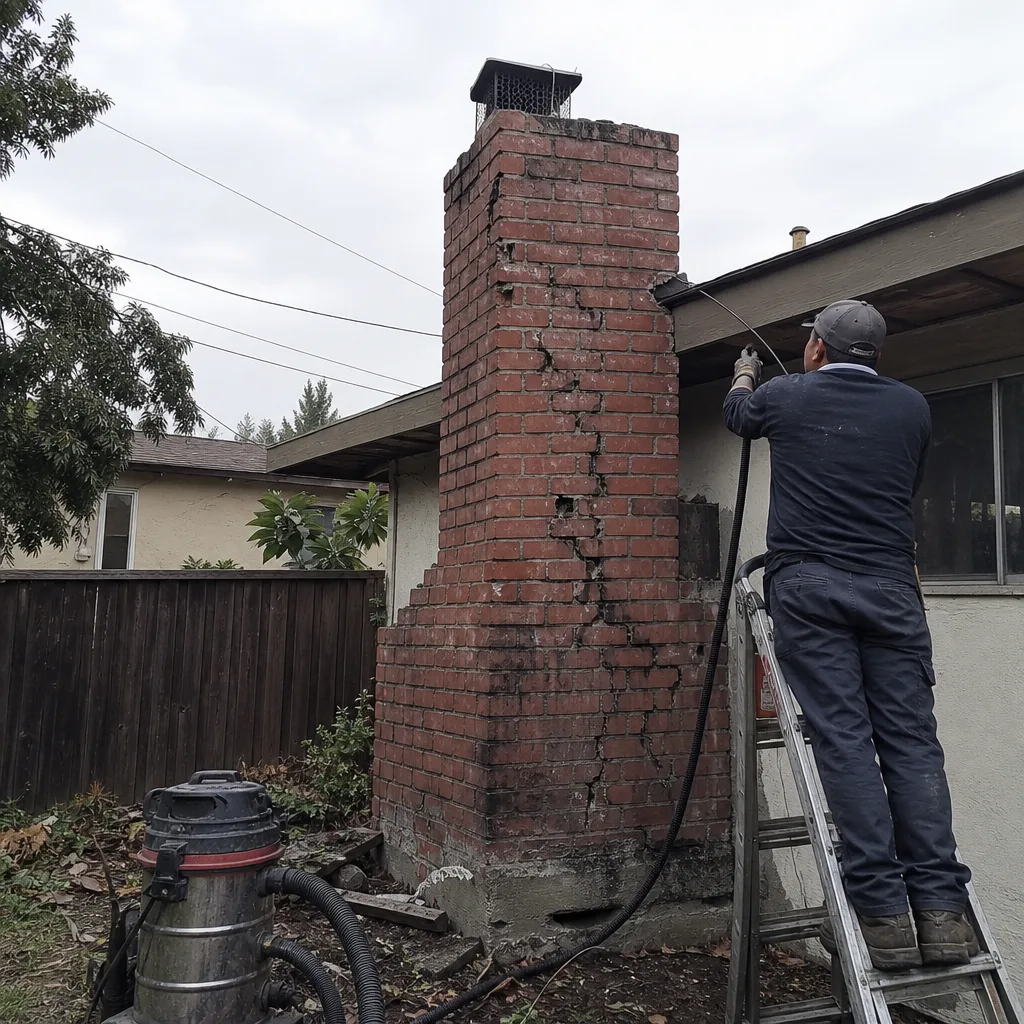 Before
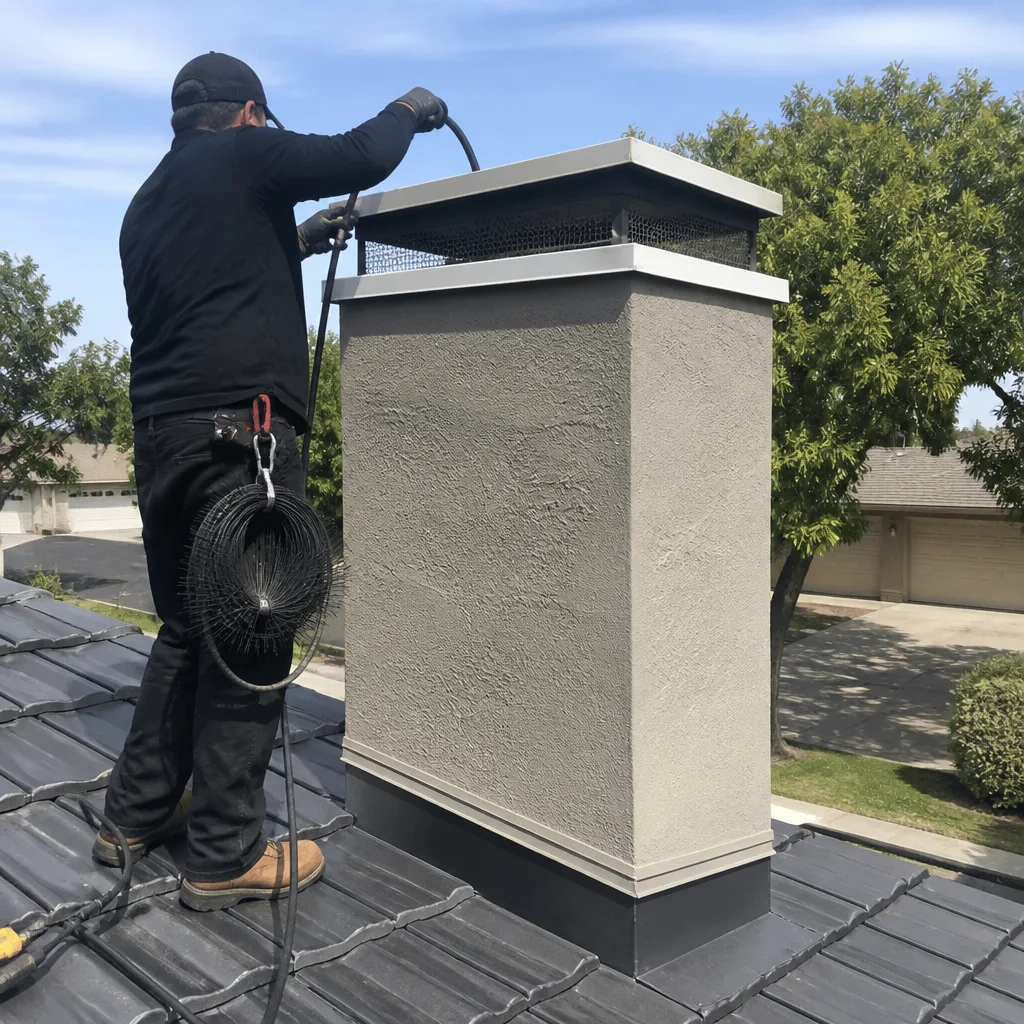 After
After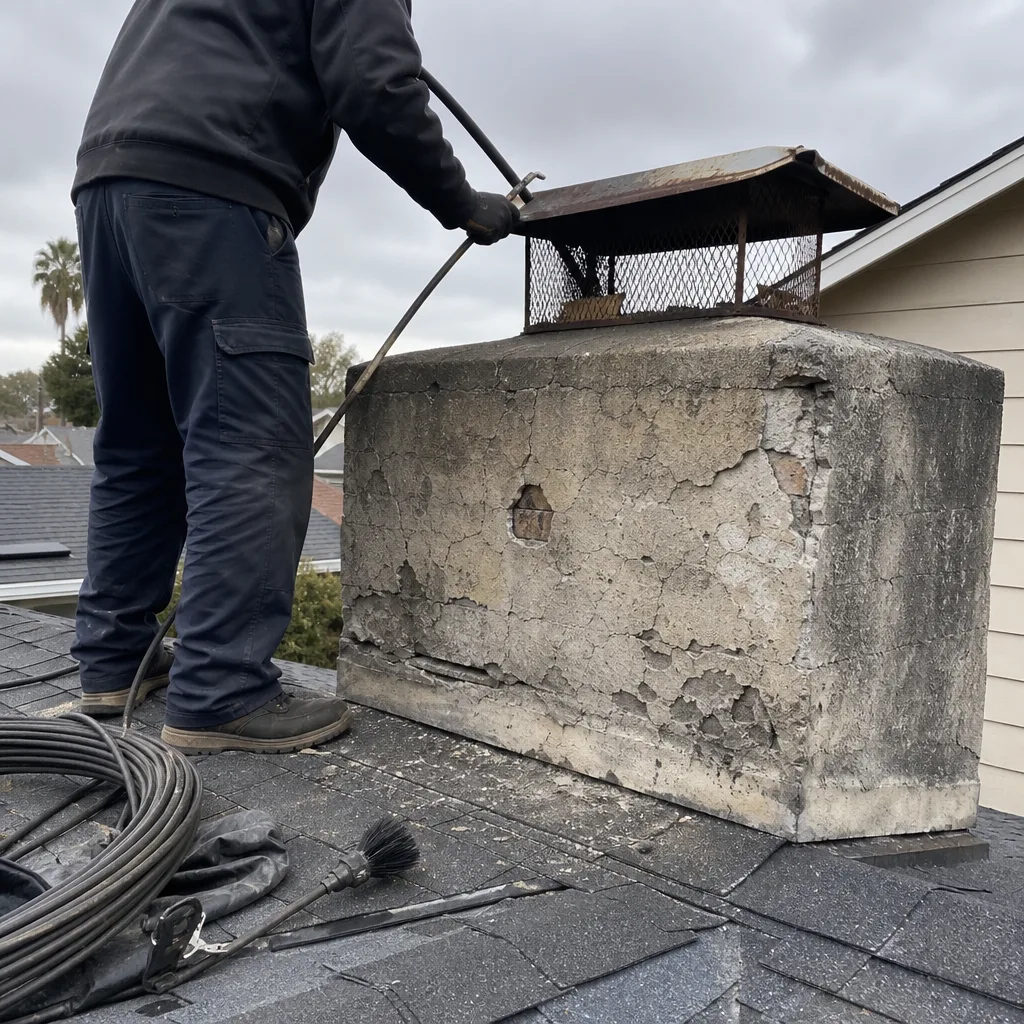 Before
 After
After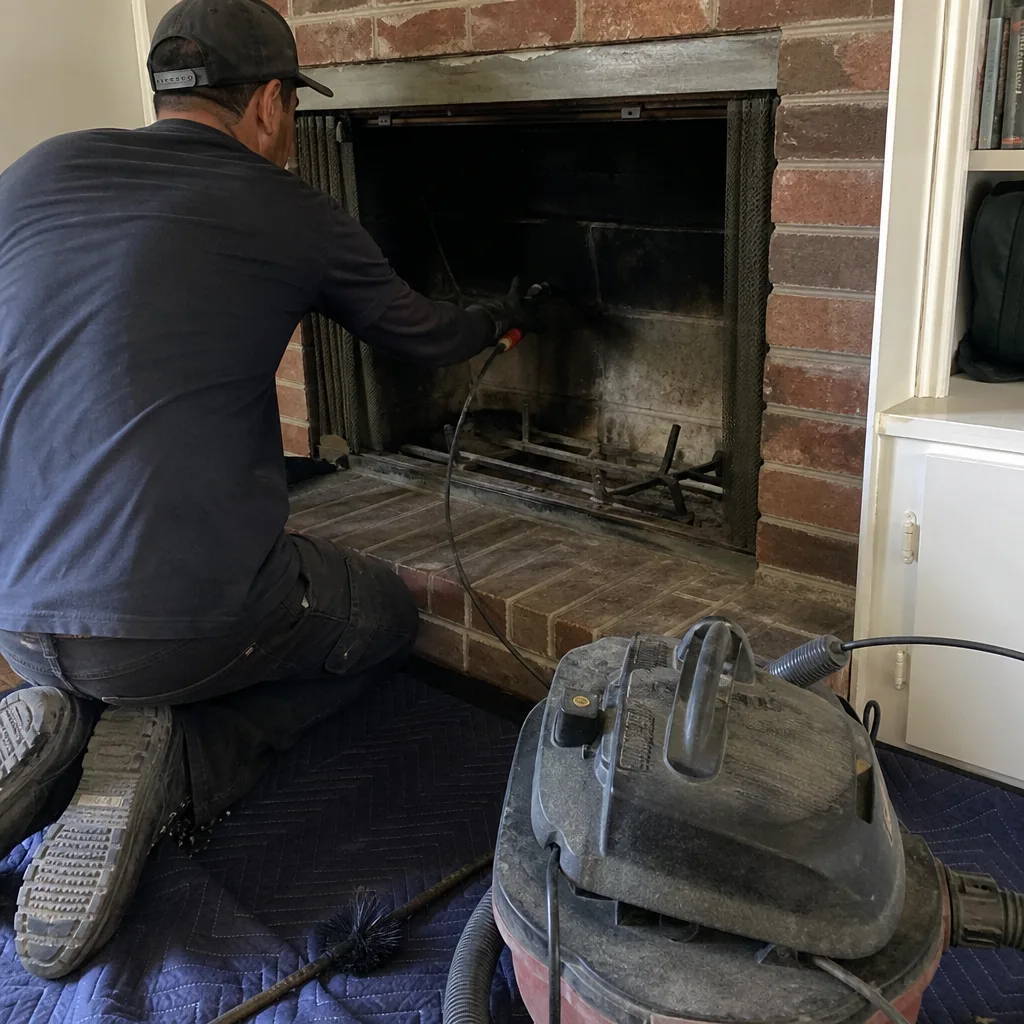 Before
 After
AfterChimney Cleaning Warning Signs: A Santa Clara Homeowner’s Reference Guide
Carbon monoxide from a chimney with a blocked or offset liner doesn’t produce a smell, a sound, or a visible sign. The first detectable indicator is often an occupant symptom - headache, fatigue, nausea - that gets attributed to a virus. Santa Clara Fire Department CO call data consistently traces a portion of residential CO incidents to fireplace appliances, and the chimneys involved often passed a casual visual check. This guide reframes what “warning signs” actually mean: your job isn’t to diagnose the defect, but to recognize the conditions that warrant a camera inspection before the next fire.
Quick Answer
The most dangerous chimney defects in Santa Clara homes - cracked flue liners, offset tile joints, and Class III creosote buildup above the smoke chamber - are invisible from the firebox opening and produce no smell or smoke. A homeowner’s real warning signs are behavioral changes in how the fire draws, persistent odors that aren’t woodsmoke, and any fireplace use after an earthquake or without a documented Level 2 inspection within the past 12 months. When these conditions exist, the appropriate next step is a camera-scan inspection, not a DIY assessment.
Table of Contents
- The Four Firebox-Visible Warning Signs (And What Normal Looks Like)
- Behavioral Warning Signs: Smoke, Draft, and Damper Problems
- Why a “Clean-Burning Fire” Proves Nothing About Your Flue
- The Smells Index: Sulfur, Damp Earth, Ammonia, and Normal Woodsmoke
- The Post-Earthquake Checklist for Santa Clara Fireplaces
- Hidden Defects That Pass the Eye Test
- The Cost of Waiting: What Deferred Sweeping Actually Risks
- Common Mistakes to Avoid
- When to Call a Professional
- Frequently Asked Questions
 Before
 After
AfterThe Four Firebox-Visible Warning Signs (And What Normal Looks Like)
Most guides list “cracks” and “stains” without describing what a healthy firebox actually looks like, which makes the warning useless. For a comprehensive approach, see The Complete Guide to Chimney Cleaning in Santa Clara. Here’s the comparison.
1. Firebrick Condition
Normal: Firebrick faces are intact with tight mortar joints. Minor surface crazing (hairline surface cracks from thermal cycling) is expected in Santa Clara’s climate, where masonry experiences repeated heating and cooling across our 40-degree seasonal swings. The brick surface should be flat and matte, not glazed or bubbled.
Warning sign: Missing brick faces, mortar joints eroded to finger-width gaps, or bricks that sound hollow when tapped. Spalling - the flaking or popping of brick faces - indicates moisture penetration and freeze-thaw damage, rare in Santa Clara’s mild winters but common in homes with crown leaks or missing chimney caps. When spalling appears below the damper, it often signals water entry from above, and the moisture path may have compromised the flue liner where you cannot see it.
2. Smoke Chamber Walls
Normal: The smoke chamber (the inverted funnel above the damper that funnels smoke into the flue) should show parged (smooth-finished) masonry with no exposed corbels (the stepped brickwork forming the chamber shape). The surface should be uniformly dark tan to light gray from use, with no shiny or tar-like deposits.
Warning sign: Exposed corbels with no parging, which creates turbulence and creosote accumulation points. Shiny black or brown glaze on chamber walls indicates active creosote buildup, typically Class II or III, which is highly combustible. In Santa Clara’s older homes near the historic downtown and along The Alameda, we’ve found unparge smoke chambers in pre-1970 construction that had never been inspected - the corbels were acting as creosote collection shelves.
3. Damper Frame and Operation
Normal: The damper plate opens fully (typically 90 degrees) with smooth resistance, seats flat against the frame when closed, and shows no daylight around the edges when viewed from below. The frame itself should be square in the opening with no visible rust-through.
Warning sign: The damper plate that wobbles, won’t fully open, or drops closed under its own weight. Frame rust that has perforated the metal suggests prolonged moisture exposure, which almost always means the flue liner above has been compromised. A damper that binds or grinds often indicates frame distortion from chimney settlement - common in Santa Clara’s alluvial soil zones, particularly in the Rivermark and Northside neighborhoods where fill soils were used in development.
4. Hearth and Surround Integrity
Normal: The hearth extension (the non-combustible surface in front of the firebox) is level, intact, and properly sized - minimum 16 inches front extension and 8 inches side extensions for fireplaces with opening less than 6 square feet, per California Building Code. The surround material (tile, stone, brick) is firmly attached with intact grout or mortar.
Warning sign: Hearth settlement or cracking that creates a gap between hearth and firebox floor. New gaps in wall surrounds, especially diagonal cracks radiating from the firebox opening, suggest structural movement that may have affected the chimney above. In Santa Clara’s 1950s-1970s ranch stock, we’ve documented hearth settlement tied to undersized footings that also caused flue liner offset - invisible without a camera.
Behavioral Warning Signs: Smoke, Draft, and Damper Problems
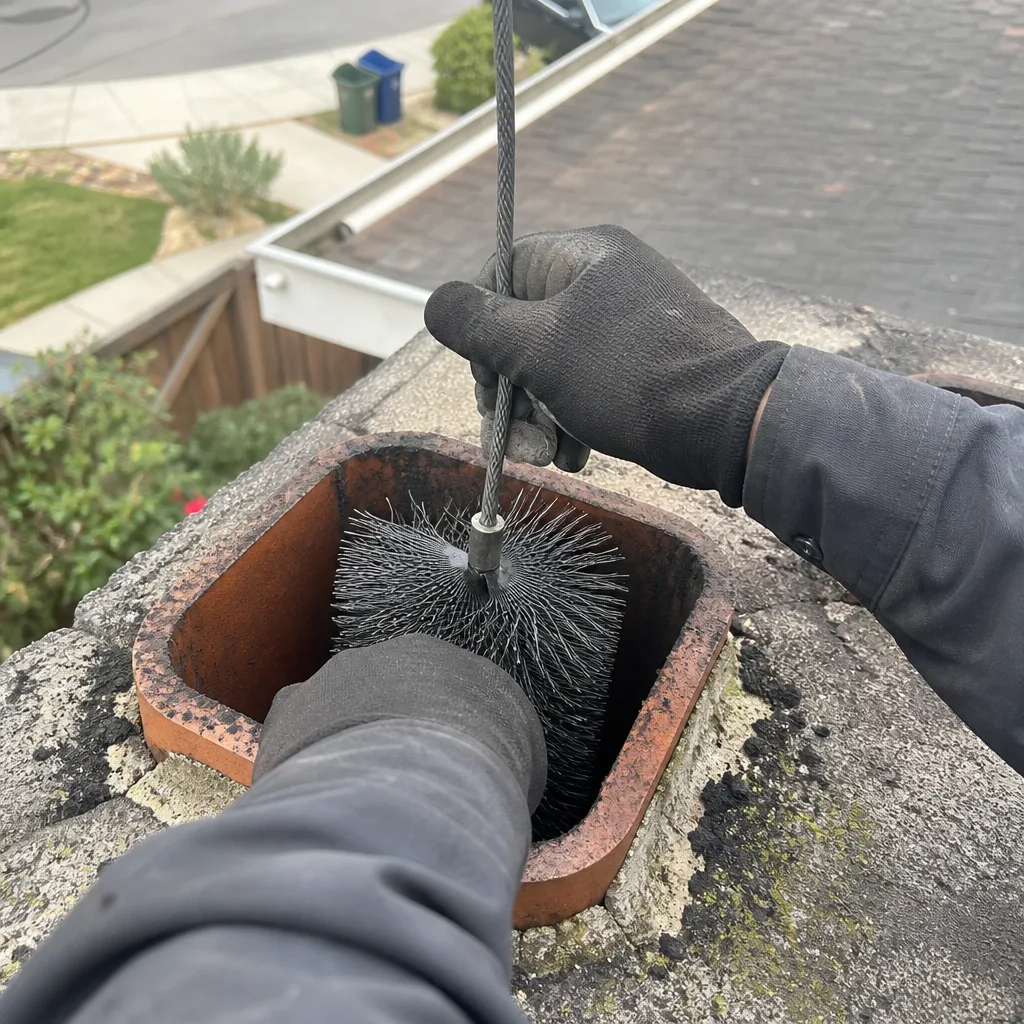
How your fire behaves tells you about conditions above the firebox that you cannot see. These three behavioral patterns each point to specific structural issues.
Smoke Entering the Room With Damper Open
If smoke spills into the room despite an open damper, adequate fuel, and proper flue preheating, the cause is rarely “a cold flue” - the usual dismissive explanation. More likely causes include:
- Flue liner obstruction: Bird nests, collapsed liner sections, or severe creosote buildup that has reduced flue area below the draft requirement for the fireplace opening size. Santa Clara’s mature tree canopy in neighborhoods like Old Quad and College Park attracts nesting birds; we’ve removed complete nests from un-capped flues in March and April.
- Liner offset or joint failure: A displaced clay tile liner section creates a ledge that traps smoke and disrupts laminar flow. This produces intermittent smoke spillage that worsens as the fire builds - exactly when you’d expect draft to improve.
- Smoke chamber turbulence: Unparged corbels or a corbelled design with excessive slope change create eddies that push smoke back down. This is construction-defect related, not maintenance-related, but it worsens with creosote accumulation.
The critical distinction: smoke spillage that occurs after the fire has been drawing properly suggests a partial obstruction that shifts with heat expansion, such as a cracked liner section that closes when hot. This pattern warrants immediate camera inspection.
Fire That Won’t Draw Correctly
A fire that smolders, produces excessive smoke at the firebox opening, or requires constant door adjustment to maintain flame indicates inadequate draft. In Santa Clara’s predominantly single-story and split-level housing stock, with many homes at or below ridgeline height of neighboring structures, negative pressure from HVAC systems and tight building envelopes compounds draft problems.
Before assuming the chimney is at fault, verify:
- No other exhaust appliances (range hood, dryer, bathroom fans) are operating during fire startup
- Combustion air is available - an exterior window cracked open should improve draft if the house is depressurized
- The damper is fully open and remains open
If these checks don’t resolve the issue, the chimney likely has a liner condition problem: partial collapse, significant creosote reduction of flue area, or liner sizing mismatched to the appliance. Our Chimney Repair in Santa Clara service addresses liner replacement and sizing corrections using DuraFlex and Olympia Chimney materials.
Damper That Feels Loose or Misaligned
A damper that rattles, shifts position, or no longer seats in its original closed position indicates frame distortion. The frame is embedded in the masonry smoke chamber; if it has moved, the masonry has moved. Possible causes include:
- Chimney settlement in expansive soils (common in Santa Clara’s Bay Mud zones near the Guadalupe River corridor)
- Thermal shock from chimney fire that has cracked surrounding masonry
- Corrosion expansion from prolonged moisture exposure
Any damper frame movement is a leading indicator of liner displacement above. We’ve documented cases in the Westwood Oaks area where a “loose damper” reported by the homeowner revealed a complete liner joint separation at the second flue joint - invisible from below, detectable only by camera.
Why a “Clean-Burning Fire” Proves Nothing About Your Flue
This is the warning sign guide’s most important section, because it addresses the most dangerous homeowner assumption.
A fire that burns with visible flames, minimal smoke, and good draft tells you exactly one thing: the combustion process at the grate is efficient. It tells you nothing about the condition of the flue liner above the smoke chamber, where the actual hazards develop.
Here’s why: the combustion byproducts that matter - carbon monoxide, unburned hydrocarbons, and creosote vapors - are invisible and odorless in the concentrations that pass through a functioning flue. A liner with a cracked section or failed joint can leak these gases into wall cavities or living spaces without affecting fire behavior at the grate. The fire continues to draw adequately because the majority of flue area remains open; the leak is partial, not total.
Similarly, creosote buildup in the upper flue - above the smoke chamber, where temperatures are lower and condensation occurs - does not affect fire behavior until it substantially obstructs flow. A flue can accumulate dangerous Class III creosote (the hardened, fuel-like deposit that ignites at 451°F) while the fire below appears normal. We’ve removed 1/4-inch and greater Class III deposits from Santa Clara chimneys where the homeowner reported “no problems” and “the fire always draws fine.”
The “clean-burning fire” fallacy is particularly prevalent in Santa Clara’s educated, research-oriented homeowner population, who’ve read about efficient combustion and assume it equals system health. It doesn’t. The only verification of flue condition is visual inspection with a camera - which is why Clause 4 of the Haven Standard requires documented photo record on every visit, not as an upgrade, but as the baseline.
Our Chimney Cleaning & Sweep in Santa Clara service includes this camera documentation as standard, not optional.
The Smells Index: Sulfur, Damp Earth, Ammonia, and Normal Woodsmoke
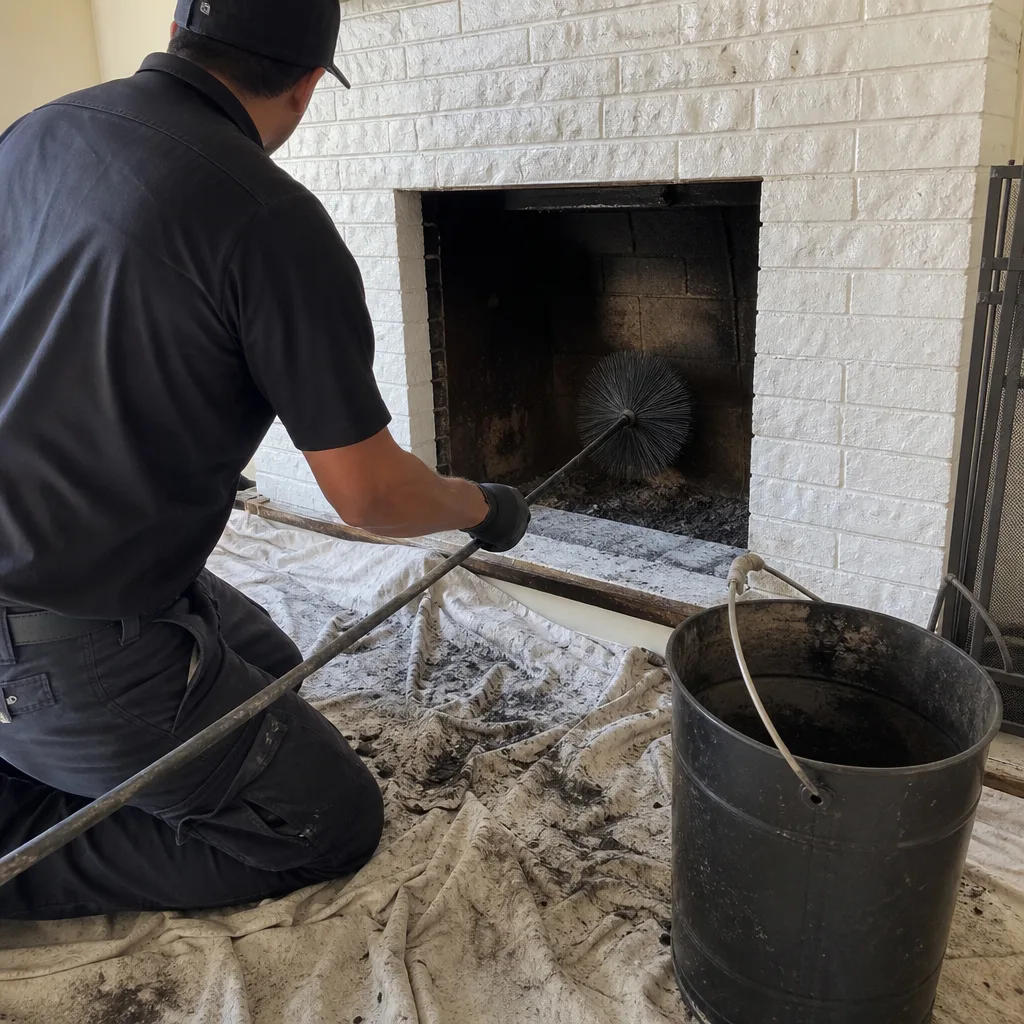
Odor is the most reported “warning sign” and the most misinterpreted. Here’s what specific smells indicate, with the normal baseline established first.
Normal: Lingering Woodsmoke
A faint woodsmoke odor from the fireplace area between fires, especially in humid weather or when the house is pressurized by HVAC, is normal. It indicates a functioning fireplace with some creosote residue on smoke chamber and flue walls - expected after use. The smell should be recognizably woodsmoke, not acrid or chemical, and should dissipate within minutes of noticing it.
Sulfur or “Rotten Egg” Odor
This indicates active moisture in the flue combined with organic debris or creosote breakdown. Water + creosote produces sulfur compounds. The source is almost always a crown crack, missing cap, or deteriorated mortar joints allowing water entry. In Santa Clara’s Mediterranean climate with concentrated winter rainfall, we’ve found active water intrusion in chimneys that hadn’t been used in years - the moisture enters during rain events and sits in the flue, producing odor when weather warms.
Sulfur odor is a warning sign because it indicates ongoing moisture damage to the liner and surrounding masonry. Clay tile liners absorb moisture; freeze-thaw cycling (even in mild Santa Clara winters) accelerates spalling and joint failure.
Damp Earth or Musty Smell
This suggests water pooling at the smoke chamber base or in a cleanout below the firebox, typically from a disconnected or deteriorated chimney liner that allows condensation to reach masonry instead of exhausting to atmosphere. The “damp earth” quality comes from masonry saturation and possible mold growth in adjacent framing.
In Santa Clara’s older homes with original construction, we’ve found this pattern associated with terra cotta liner deterioration where the bottom section has cracked and shifted, creating a path for condensation to weep into the smoke chamber base. The homeowner often reports “a musty smell we couldn’t locate” that resolved after liner replacement with HeatShield or DuraFlex systems.
Ammonia or “Urine” Smell
This indicates animal presence - raccoons, squirrels, or birds in the flue or chimney structure. The smell is concentrated and acrid, distinct from other chimney odors. In Santa Clara’s suburban environment with mature oak and sycamore canopy, animal entry through uncapped flues or damaged screens is common, particularly in spring nesting season.
Animal presence is a warning sign beyond the odor: nesting material is a flue obstruction and fire hazard, and animal waste is acidic to metal liners and corrosive to mortar. Additionally, animals can displace liner sections while entering or exiting. Any ammonia odor from the fireplace area warrants immediate inspection before next use.
No Smell At All
Paradoxically, complete absence of odor during active fireplace use can indicate a significant liner breach. A properly functioning flue carries combustion byproducts to exterior; a liner with major cracks or disconnections may leak gases into wall cavities where they’re diluted below odor threshold but still present at hazardous concentration. Carbon monoxide has no odor. This is why behavioral symptoms (headache, fatigue during or after fire use) matter more than smell absence - and why Santa Clara Fire Department CO responses often trace to fireplace appliances with “no reported problems.”
The Post-Earthquake Checklist for Santa Clara Fireplaces
Santa Clara’s location on the Hayward Fault zone and proximity to the San Andreas makes seismic risk a permanent condition, not an event. The 2014 South Napa earthquake caused chimney damage throughout the Bay Area, including Santa Clara County, and many defects went unreported because homeowners didn’t know what to check.
After any significant seismic event (MMI V or greater, or any shaking you felt distinctly), perform these checks before next fireplace use:
- Exterior visual: From ground level, examine the chimney for new leaning, separation from the house wall, or dropped courses (bricks that have shifted downward relative to adjacent courses). Use binoculars if needed. Any visible movement means the chimney is structurally compromised - do not use until inspected.
- Firebox surround: Check for new cracks in the hearth, surround tile or stone, or wall finish adjacent to the firebox opening. Diagonal cracks radiating from the firebox corner are particularly significant, suggesting movement in the chimney structure behind.
- Damper operation: Open and close the damper. If it now binds, won’t fully open, or sits at a different angle than before, the smoke chamber or flue has likely shifted. This is a leading indicator of liner displacement.
- Chimney cap and crown: If safely visible from ground or a stable ladder, check for new cracks in the crown concrete or displaced cap. Crown cracks admit water that accelerates liner deterioration.
- Attic inspection (if accessible): Look for new gaps between chimney structure and framing, or fallen debris (brick fragments, mortar chunks) in the attic space. Any debris indicates active masonry deterioration.
Any positive finding from this checklist means the chimney requires Level 2 inspection with camera scan before use. The liner displacement that causes CO leakage or chimney fire risk is not detectable from these exterior checks - they’re screening tools that identify when camera inspection is warranted, not substitutes for it.
We’ve performed post-earthquake inspections throughout Santa Clara following regional seismic events, and the pattern is consistent: the chimneys with damage visible from these five checks always have additional, more serious defects in the liner above. The exterior warning signs correctly flag the need for internal inspection.
Hidden Defects That Pass the Eye Test
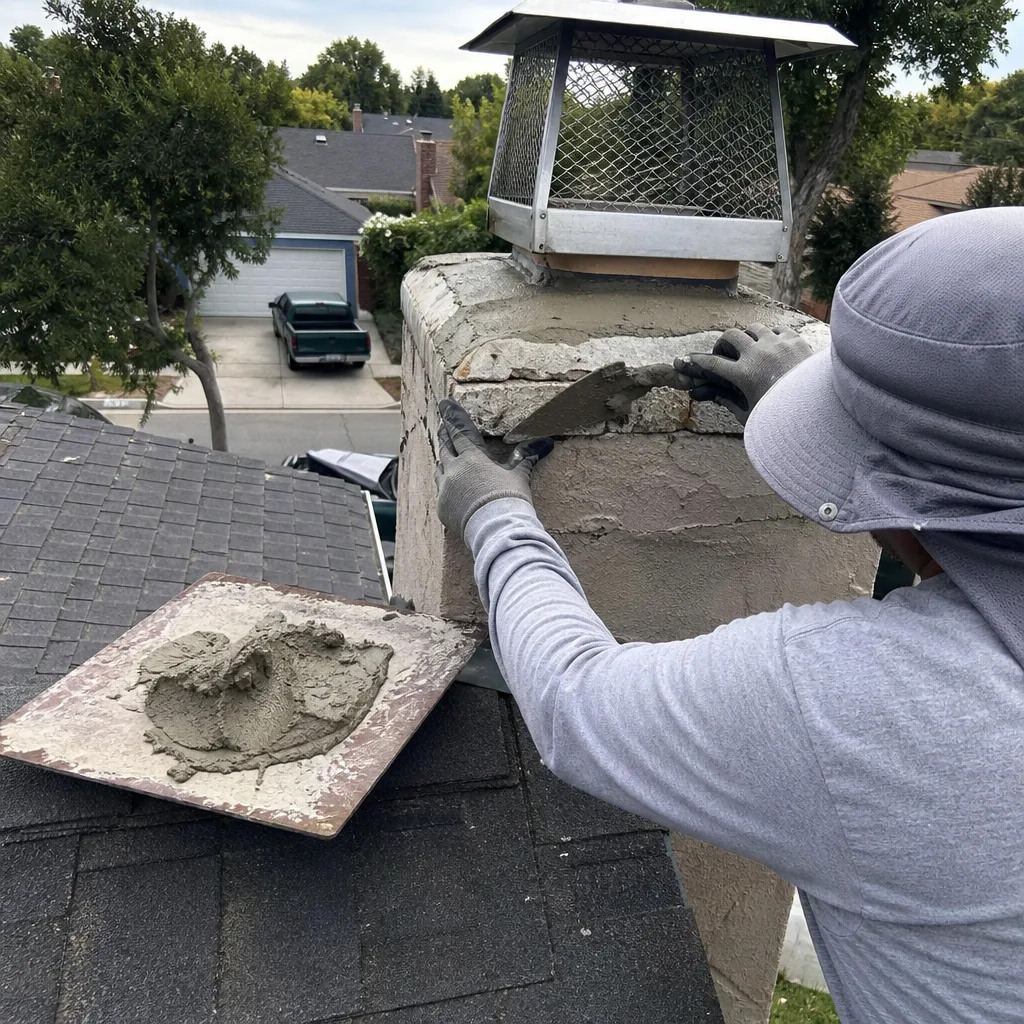
The defects most likely to cause injury or property loss in Santa Clara chimneys are, by definition, not visible to homeowner inspection. Understanding what these are - and what conditions make them likely - reframes the warning sign concept entirely. For more guides & resources on maintaining a safe chimney system, explore our blog.
Cracked Flue Liner (Longitudinal or Circumferential)
Clay tile liners crack from thermal shock (chimney fire or rapid heating), settlement, or material failure. A longitudinal crack (running vertically) allows gases and sparks to reach combustible framing. A circumferential crack (around the tile circumference) at a joint allows leakage at the joint and potential tile displacement. Neither is visible from below; both are visible on camera scan.
Santa Clara’s housing stock includes thousands of homes built 1950-1980 with original clay tile liners now at or beyond typical service life. These liners were installed with expectation of 50-year service; many have seen 60+ years of thermal cycling. Age alone is a risk factor, even without other warning signs.
Offset or Displaced Liner Joints
Clay tile liners are stacked with mortar joints; if the chimney settles or the mortar deteriorates, tiles can shift, creating a ledge or partial obstruction. This traps creosote, disrupts draft, and can block the flue entirely if displacement progresses. Offset joints are a primary cause of chimney fires: the ledge accumulates fuel, and the turbulence increases dwell time of combustible gases.
We’ve found offset joints in Santa Clara chimneys where the homeowner reported only “the fire doesn’t seem to draw as well as it used to” - a subtle behavioral change that, correctly interpreted, indicated serious liner displacement.
Class III Creosote Buildup
Creosote forms in three classes: I (sooty, easily brushed), II (flakey, requires more aggressive removal), and III (glazed, hardened, ignites readily). Class III buildup is most common in the upper third of the flue, where temperatures are lowest and condensation heaviest. It’s not visible from the firebox and produces no behavioral warning until it substantially obstructs flow or ignites.
Class III removal requires rotary mechanical cleaning or chemical treatment - not standard brush sweeping. Our sweeps document creosote class on every visit under Haven Standard Clause 4; if Class III is present, we photograph it and provide written scope for removal before any work proceeds.
Deteriorated Mortar Between Liner Tiles
The mortar joints between clay tile liners are sacrificial - they’re expected to deteriorate before the tiles. When mortar is missing or powdery, gases leak at joints and tiles can shift. This condition is invisible from below and produces no behavioral change until significant displacement occurs. Camera inspection with close-up documentation is the only detection method.
The Cost of Waiting: What Deferred Sweeping Actually Risks
Deferred chimney maintenance doesn’t produce gradual, predictable failure. It produces sudden events - chimney fire, CO poisoning, water damage cascade - that are disproportionately costly and dangerous compared to preventive inspection cost.
Here’s the actual risk progression we document in Santa Clara:
| Deferred Interval | Typical Condition Found | Remediation Cost Range | Safety Risk |
|---|---|---|---|
| 1-2 years past due | Class I-II creosote, minor mortar deterioration | $280-$380 sweep and inspection | Low; standard maintenance restores safety |
| 3-5 years past due | Class II-III creosote, cracked crown, liner joint gaps | $380-$1,200 sweep, repair, possible liner patching | Moderate; chimney fire risk elevated, CO leakage possible |
| 5+ years past due | Class III creosote, cracked or displaced liner, water damage to surrounding structure | $1,200-$4,500+ liner replacement, masonry repair, possible framing repair | High; active chimney fire and CO poisoning risk |
| Unknown/never inspected | Any of above, plus unpermitted modifications, improper appliance connection, missing liner sections | $2,500-$8,000+ full system rebuild | Variable; highest in pre-1970 construction with original systems |
These ranges reflect Santa Clara’s market conditions, including permit requirements and material costs through our Haven buying network with Famco, Copperfield, and other suppliers. Every estimate we provide is written, itemized, and delivered before work begins - Clause 1 of the Haven Standard.
The critical insight: the cost difference between 1-year deferral and 5-year deferral is not 5x the maintenance cost. It’s the difference between a sweep and a liner replacement, because creosote compounds, water damage propagates, and liner cracks extend with thermal cycling. Early intervention is geometrically less expensive.
Our Fireplace Services in Santa Clara page details the full scope of inspection, sweep, and repair options.
Common Mistakes to Avoid
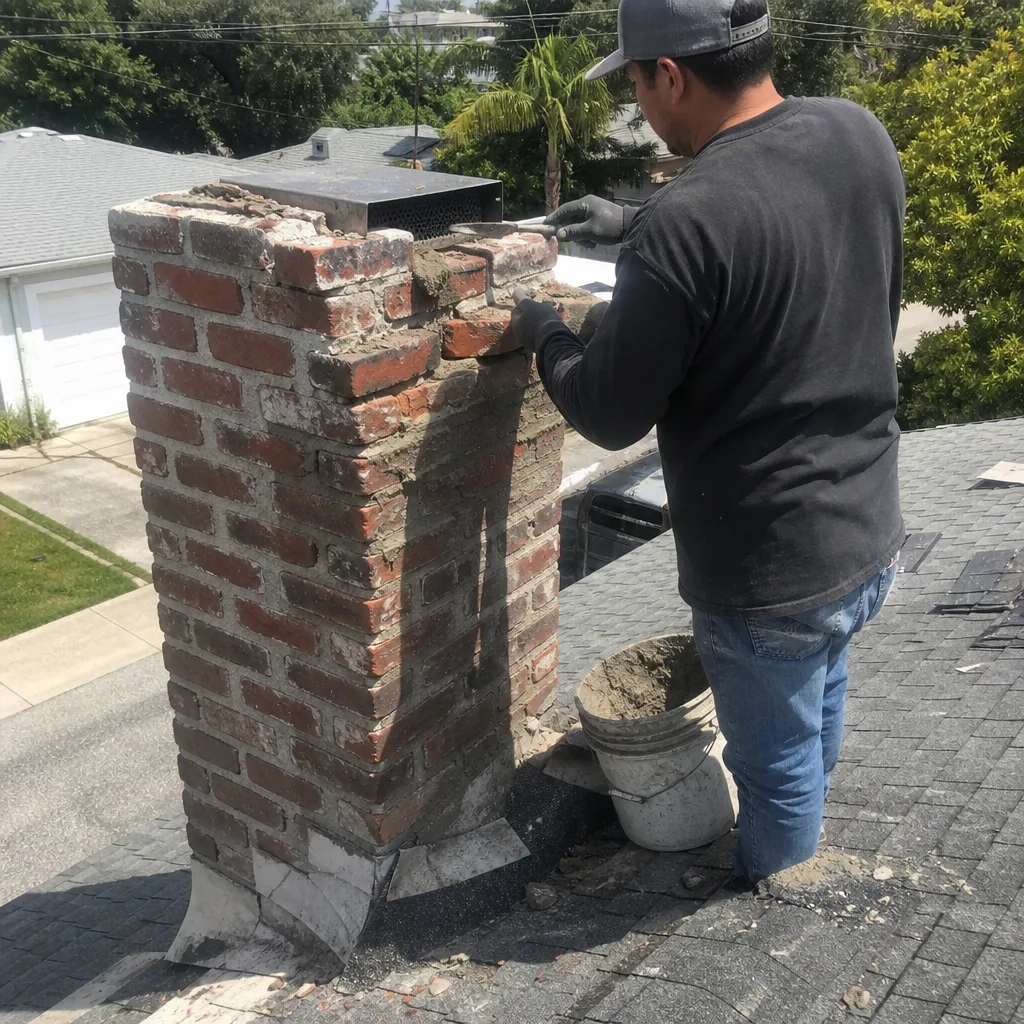
- Assuming no smell means no problem. Carbon monoxide and many combustion byproducts are odorless. The absence of odor is not evidence of safety; it’s the absence of one specific warning mechanism.
- Judging chimney condition by fire behavior alone. A fire that draws well and burns cleanly tells you about combustion at the grate, not about liner condition 15 feet above. These are separate systems with separate failure modes.
- Using chimney cleaning logs as substitute for sweeping. Chemical logs modify creosote chemistry but do not remove buildup. They can create a false sense of maintenance completion while Class III deposits continue accumulating. They’re a supplement to, not replacement for, mechanical removal and camera inspection.
- Ignoring seasonal odor changes. Many Santa Clara homeowners report “a smell in summer that goes away in winter” - this is moisture-driven creosote off-gassing when humidity is high. It indicates active water intrusion and creosote degradation, both of which worsen with time.
- Skipping inspection after home purchase. Home inspections in California include only a Level 1 visual inspection of readily accessible portions. They do not include camera scan of the flue interior, which is where defects causing fires and CO events actually occur. A clean home inspection report is not a clean chimney.
- Assuming gas fireplaces don’t need inspection. Gas fireplace flues accumulate debris, suffer liner deterioration, and experience draft problems identical to wood-burning systems. The venting requirements are actually more precise because gas combustion produces higher moisture content. Annual Level 2 inspection applies to all fuel types.
- Waiting for visible exterior damage. By the time chimney damage is visible from the ground - leaning, spalling, missing bricks - the internal liner has typically been compromised for years. Exterior signs are late-stage indicators, not early warnings.
When to Call a Professional
Call for Level 2 inspection with camera documentation when: you’ve never had a documented camera inspection; it’s been more than 12 months since your last inspection; you’ve noticed any behavioral change in fire performance; you smell sulfur, damp earth, or ammonia from the fireplace area; you’ve experienced an earthquake or significant seismic event; you’re purchasing a home with a fireplace; or you’re installing a new appliance or changing fuel types.
Level Two Chimney Santa Clara offers free estimates in Santa Clara - call (650) 229-6358. Every estimate includes written scope, written price, and written warranty before any work begins. Our technicians are background-checked, uniformed, and assigned by name; you’ll receive a text when they’re en route. Live phone support is available 24 hours a day, 7 days a week.
Frequently Asked Questions
A Level 2 chimney sweep and inspection in Santa Clara typically ranges from $280 to $380 for standard residential fireplaces, depending on creosote class, flue accessibility, and whether the system is a straightforward open hearth or includes a fireplace insert. This includes the camera-scan inspection, documented photo record, and written report. More complex systems - multi-flue chimneys, steep roofs requiring specialized access, or Class III creosote requiring rotary mechanical removal - fall in the $380 to $650 range. We provide a written, itemized price before any work starts, with no charge for the estimate itself. Call (650) 229-6358 for exact pricing on your specific system.
You need liner replacement when camera inspection documents cracks, displacement, or deterioration that creates a path for combustion byproducts to reach combustible materials or living spaces. We don’t recommend liner replacement without photo evidence you can review yourself - Clause 4 of the Haven Standard requires this documentation. In some cases, localized damage can be addressed with HeatShield relining or similar repair systems at lower cost than full liner replacement. The decision is always evidence-based, never speculative. If another company has recommended liner replacement, we offer a free second opinion with our own camera documentation.
NFPA 211 recommends annual inspection for all chimney systems, with sweeping frequency determined by creosote accumulation rate. In Santa Clara’s climate, where fireplaces see moderate seasonal use (typically November through March), annual inspection with sweep as needed is the appropriate interval. Homes with frequent use, softer woods like pine or eucalyptus, or appliances that smolder rather than burn hot may require more frequent sweeping. We document creosote accumulation rate on each visit so you can calibrate future intervals to your actual usage pattern, not a generic schedule.
Skipped sweeping allows creosote to accumulate from Class I (sooty, manageable) to Class III (glazed, highly combustible). A Class III deposit ignites at approximately 451°F - temperatures routinely reached in normal fireplace operation. The resulting chimney fire can crack the liner, damage surrounding structure, and spread to combustible framing. Separately, liner deterioration from moisture, thermal cycling, or seismic stress progresses unchecked, increasing carbon monoxide leakage risk. The cumulative effect is not gradual degradation but sudden, catastrophic failure at an unpredictable point. The cost of deferred maintenance is geometrically higher than preventive care.
A flashlight inspection from the firebox opening can reveal firebrick condition, damper operation, and smoke chamber wall condition - the four visible warning signs covered in this guide. It cannot reveal flue liner condition above the smoke chamber, where the critical defects occur. The angle, distance, and obstruction of the damper frame prevent visual access to the upper flue. A dedicated chimney camera on a flexible rod, with adjustable LED lighting and 90-degree articulation, is required for this inspection. We include this camera documentation on every Level 2 inspection; the images are yours to keep.
Level 1 is a visual inspection of readily accessible portions - what you can see from the firebox and roof without tools or special access. It’s appropriate for chimneys with documented recent service and no changes. Level 2 includes everything in Level 1 plus camera scan of the flue interior, attic and crawl space access as needed, and inspection of all accessible portions of the chimney structure and connection. It’s required for real estate transactions, after chimney fire or seismic event, upon installation of new appliance, or when any change to the system occurs. Level Two Chimney Co. made Level 2 the default standard in 2009, years before it became broadly expected; Clause 4 of the Haven Standard requires the documented photo record that distinguishes Level 2 from lesser inspections.
The Bottom Line
The most dangerous chimney conditions in Santa Clara homes don’t announce themselves with dramatic symptoms. They develop silently in the flue liner above the smoke chamber, producing no smell, no visible sign, and often no behavioral change in fire performance until failure occurs. Your role as homeowner isn’t to diagnose these defects - it’s to recognize the conditions that make them likely and to insist on camera documentation that verifies flue condition. Annual Level 2 inspection, behavioral awareness, post-earthquake screening, and accurate interpretation of odors form a practical monitoring system. The alternative is deferred maintenance that compounds geometrically in cost and risk.
Level Two Chimney Co. has performed more than 38,000 chimney inspections and cleanings since 2009, every one with a written price before work started and a documented photo record on completion. The Haven Standard’s four clauses - written price, verified crews, scheduled arrival, and documented record - define what we do and how we do it.
Call (650) 229-6358 for a free estimate. Estimates include written scope, written price, and written warranty. Live phone support is available 24 hours a day, 7 days a week.
Written by Corrine Halstead, Owner at Level Two Chimney Santa Clara, serving Santa Clara since 2009.