
Last updated September 22, 2026
Level 1 sweep and inspection to the NFPA 211 annual standard - flue, crown, cap, and flashing checked and photographed
Chimney sweep logs do not sweep chimneys. They loosen some creosote - which then falls where a brush and vacuum still have to collect it.
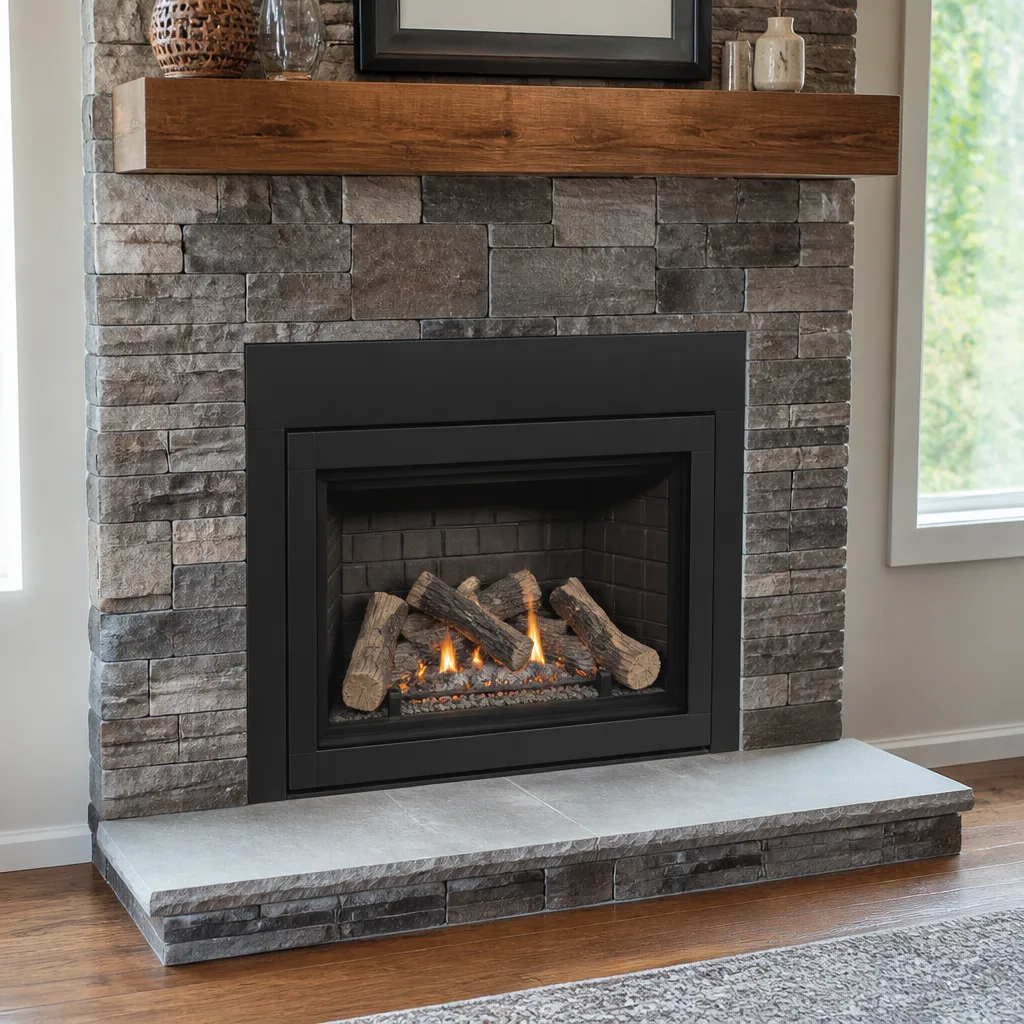
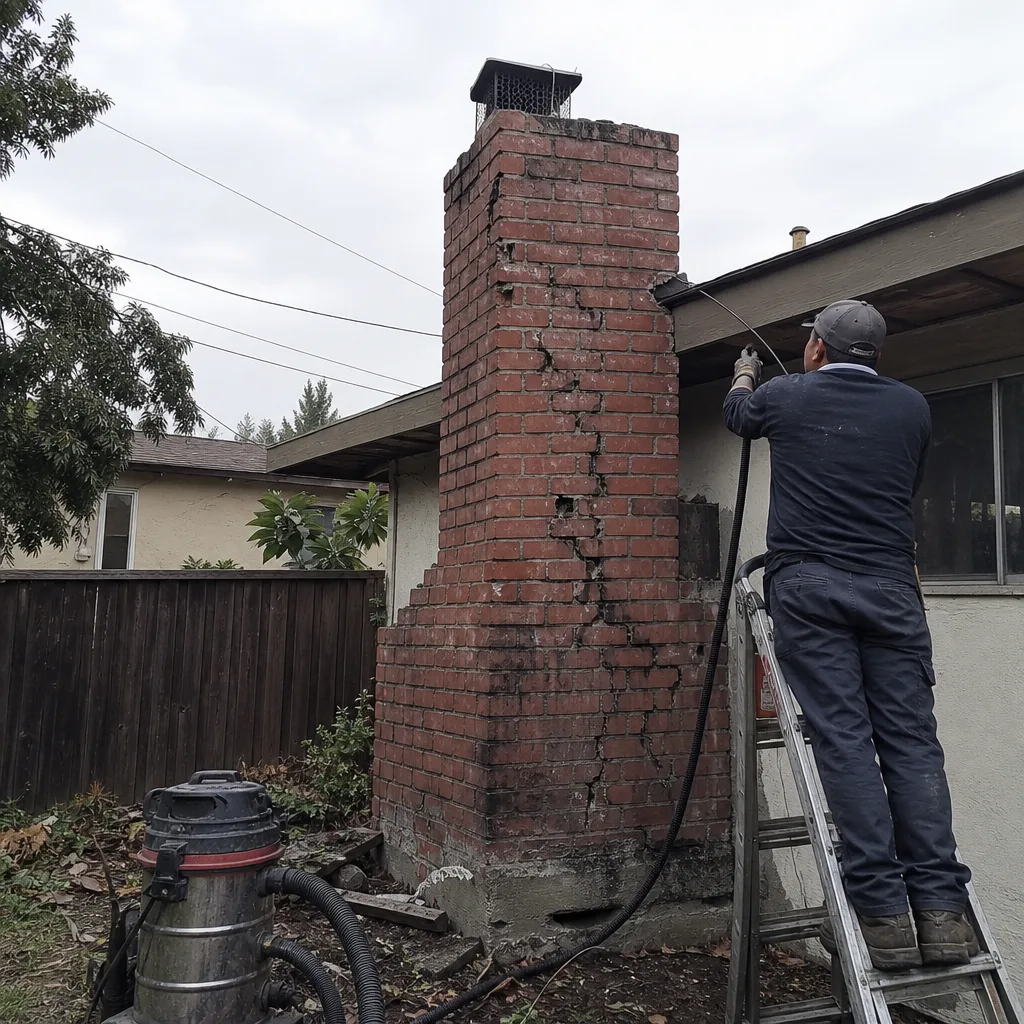 Before
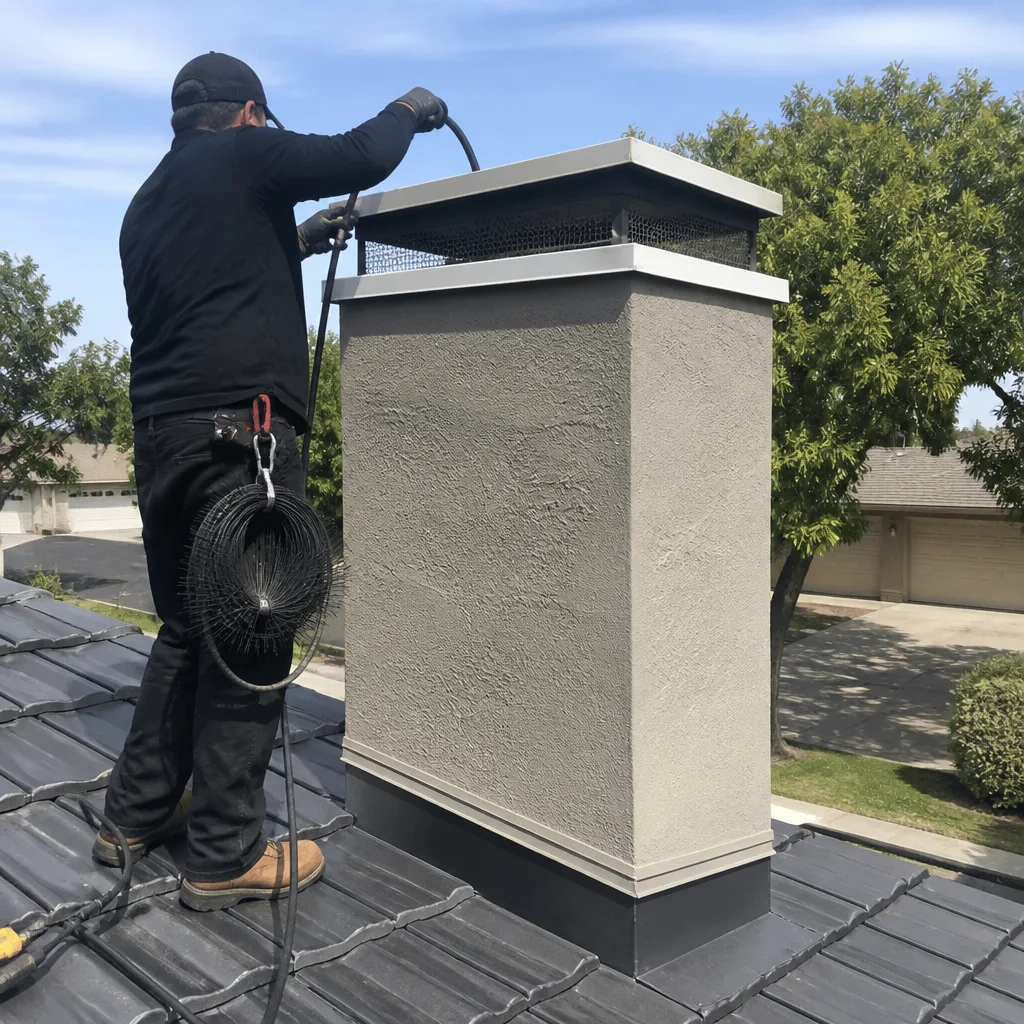 After
After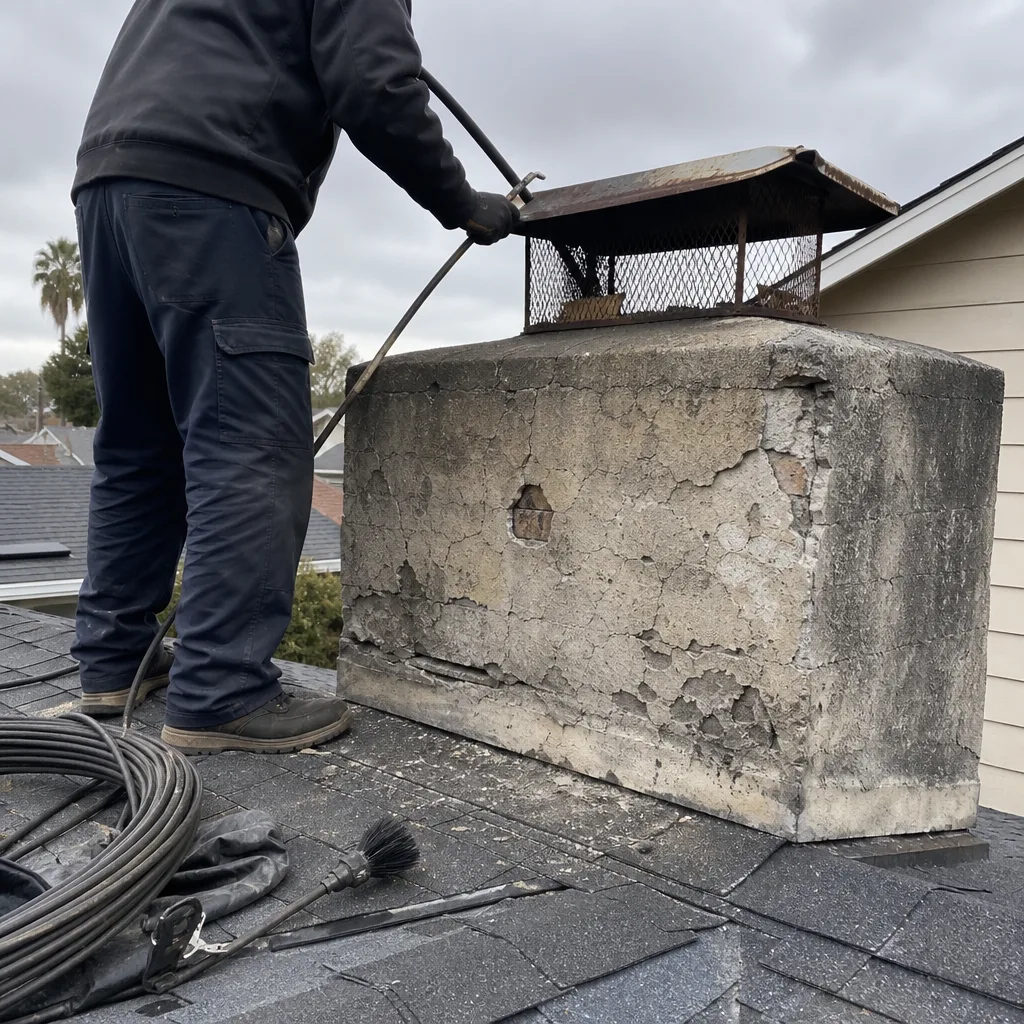 Before
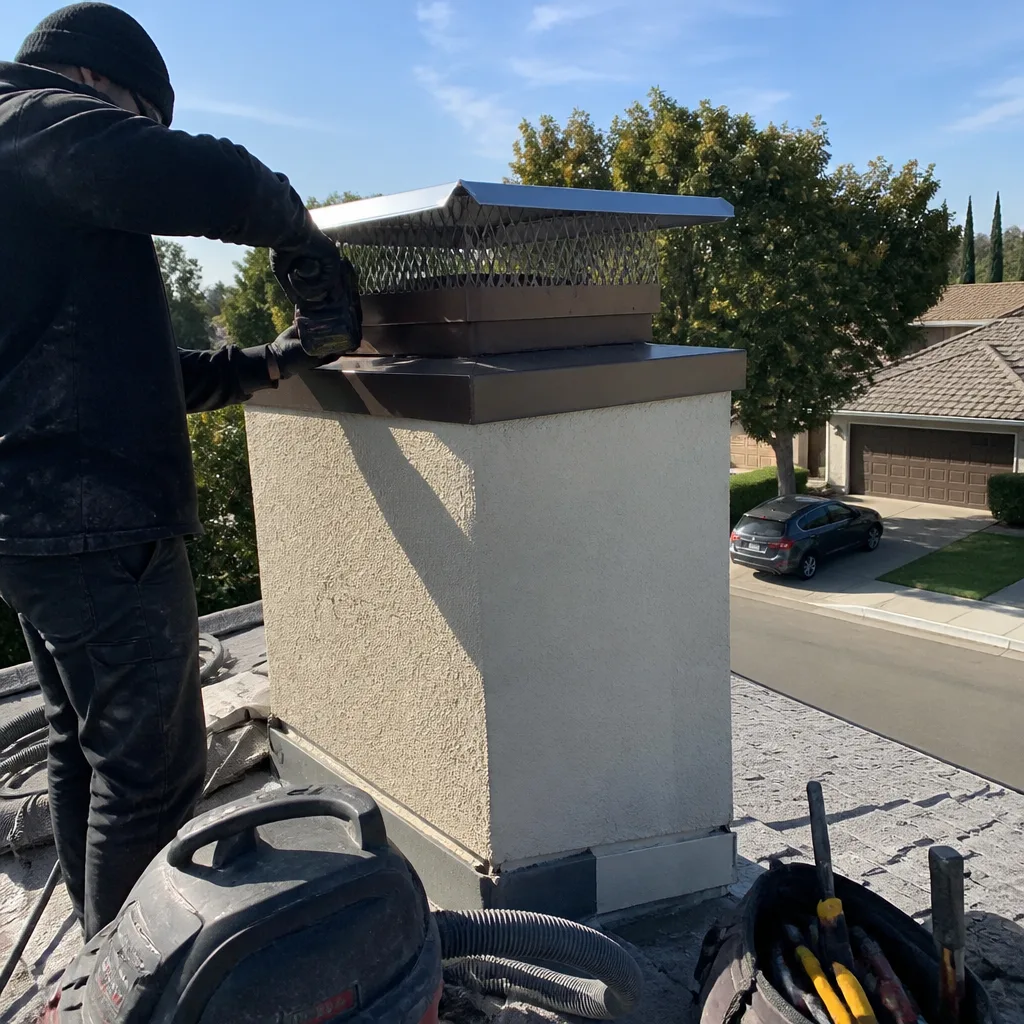 After
After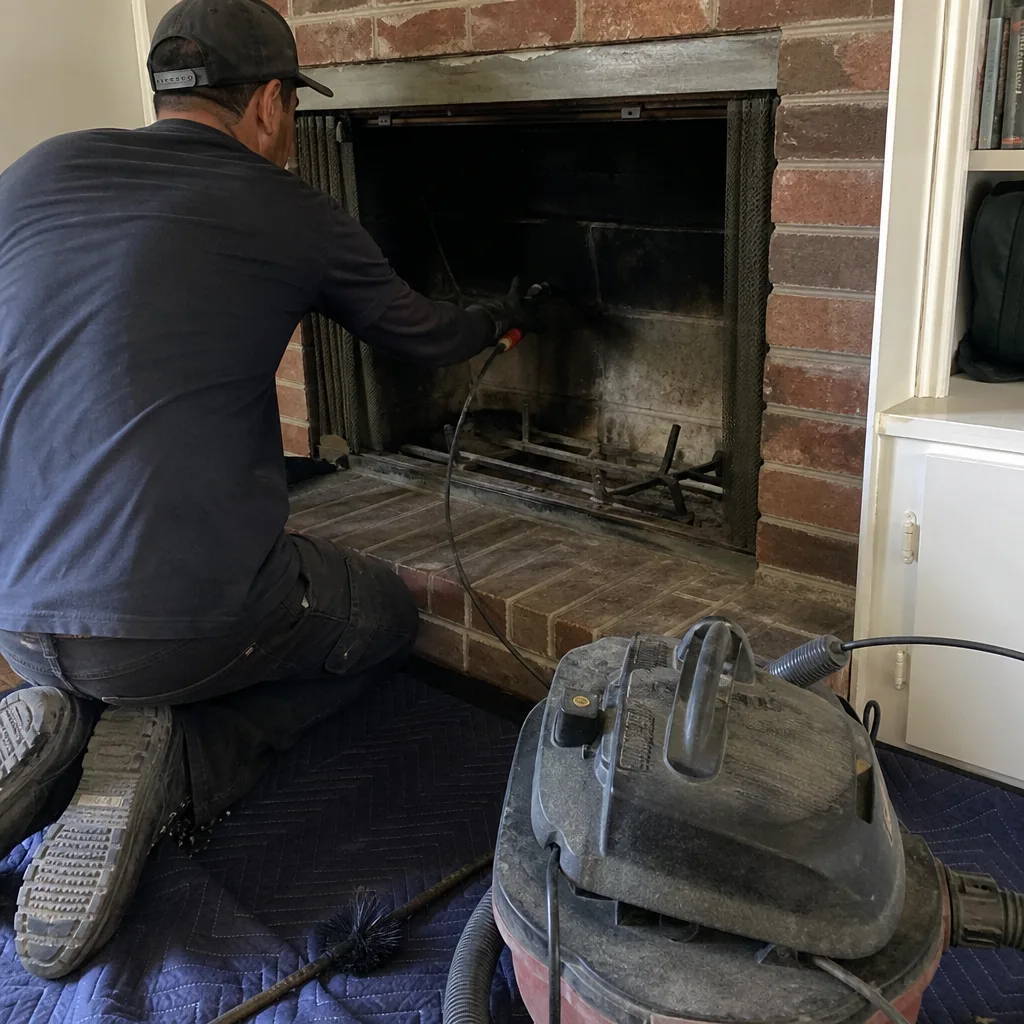 Before
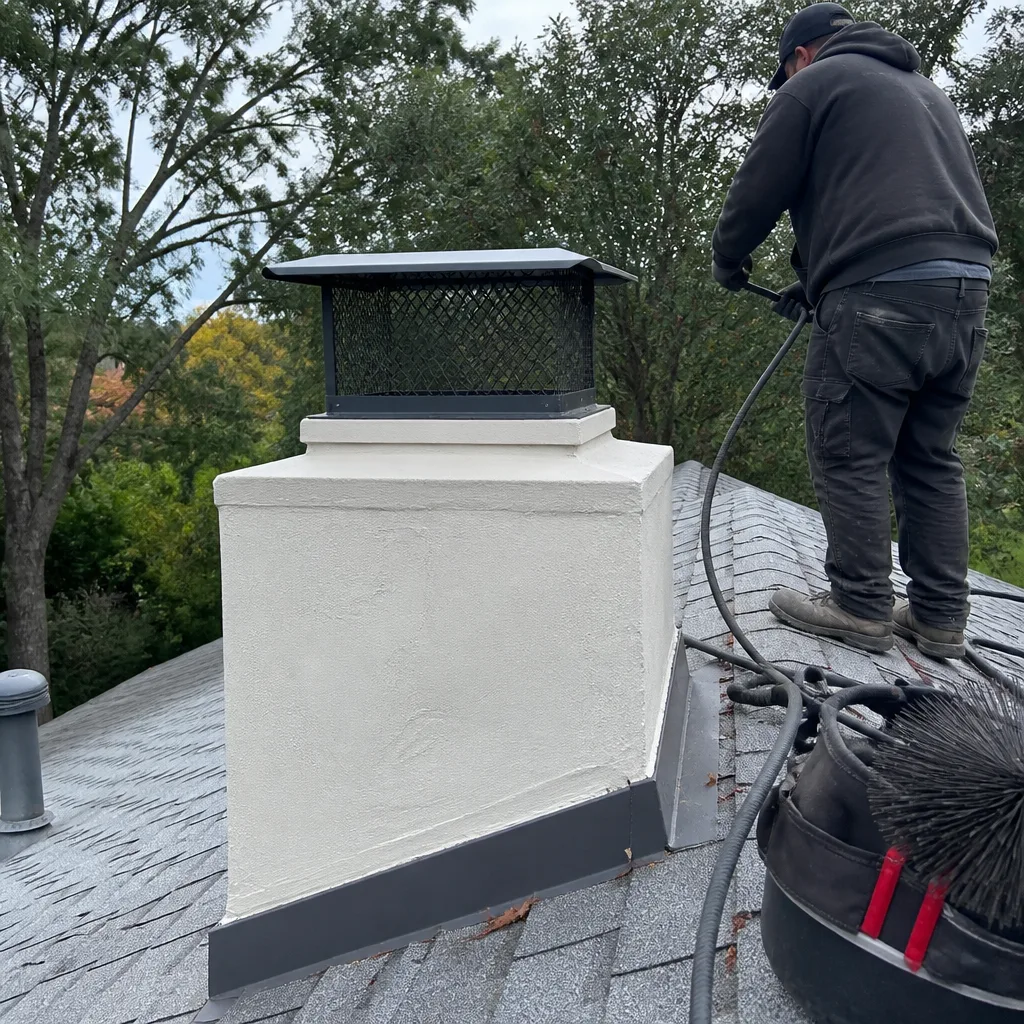 After
AfterDIY vs Professional Chimney Cleaning: The Santa Clara Homeowner’s Decision Guide
A Santa Clara homeowner spent $85 on chimney brushes and three hours on a Saturday last October. They removed the visible creosote from their fireplace’s lower flue, felt satisfied, and lit their first fire of the season. What they couldn’t see - because no consumer brush kit includes a camera - was a 14-inch crack in the terra cotta liner at the second section above the smoke chamber. That crack had been there since the 2018 Hayward Fault sequence, and it was the active path for carbon monoxide to enter the second floor bedroom. In this guide, we’ll show you exactly what DIY chimney cleaning accomplishes, where it ends, and why the gap between “clean” and “documented safe” matters more to your home’s value and your family’s safety than most Santa Clara homeowners realize. For more guides & resources on chimney maintenance, explore our blog.
Quick Answer
DIY chimney cleaning in Santa Clara can remove loose, powdery creosote from accessible flue sections and keep a well-maintained fireplace functional between professional visits. It cannot produce a camera inspection of the liner, a written record of flue condition, or documentation that satisfies insurance or real estate requirements. For homes built before 1995, with gas conversions, or after any seismic event, professional camera inspection is the only method that reveals what actually causes chimney fires and CO intrusion.
Table of Contents
- What DIY Chimney Cleaning Actually Accomplishes
- The Equipment Gap: Brushes vs. Camera Systems
- The Documentation Gap: Why Records Matter
- The Liability Scenario: Fires, CO Events, and Insurance
- Santa Clara-Specific Risks: Climate, Codes, and Seismic History
- Decision Framework: When DIY Makes Sense
- What Professional Service Includes
- Cost Comparison: Real Numbers for Santa Clara
 Before
 After
AfterWhat DIY Chimney Cleaning Actually Accomplishes
A competent homeowner with the right tools can achieve three things: remove Class I creosote (the fluffy, soot-like deposit) from the lower flue, verify damper operation, and conduct a basic visual inspection of the firebox and smoke chamber entrance. This is not nothing. In a newer Santa Clara home with a stainless steel liner, regular gas fireplace use, and no seismic history, this level of maintenance may keep the system functional between professional visits.
But the physical limits arrive quickly. Here’s where DIY visibility ends:
- Above the smoke chamber. The smoke chamber is the inverted funnel above the firebox that funnels gases into the flue. Its walls are sloped, often rough, and nearly impossible to see completely from below. Creosote accumulates here in layers that DIY brushes may disturb but not fully remove.
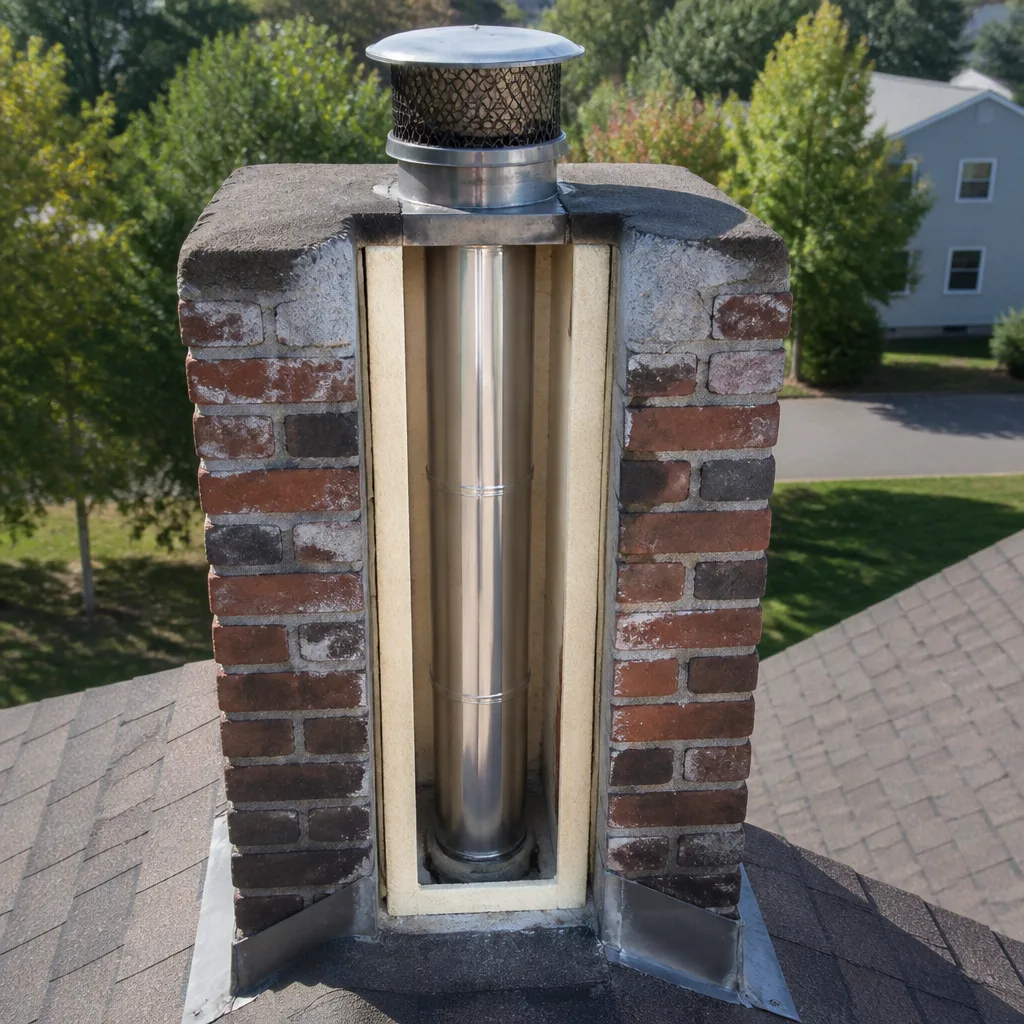
- The flue liner’s middle and upper sections. A standard brush on rods extends 20 to 30 feet. But extension creates flex, reduced contact pressure, and blind spots. More critically, the brush tells you nothing about the liner’s condition - cracks, spalling, or gaps between liner sections.
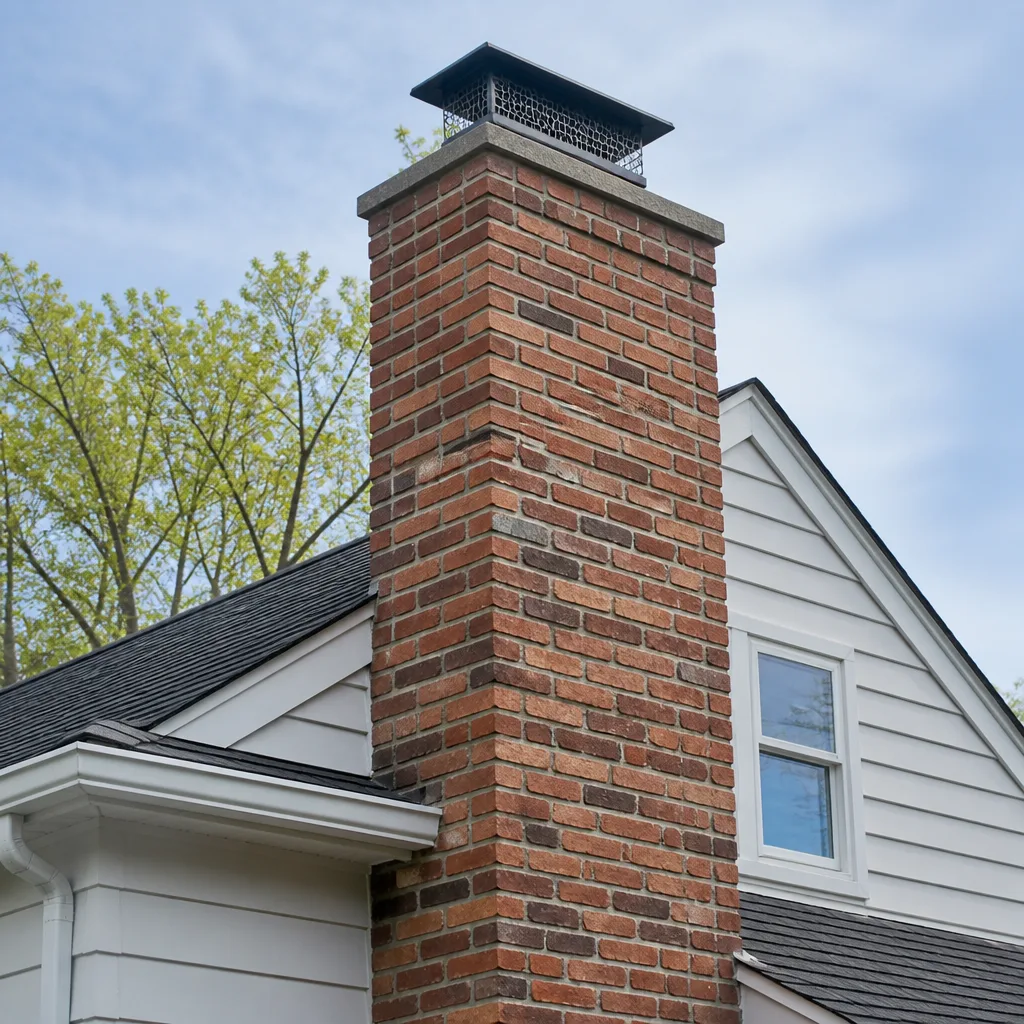
- The chimney crown and exterior masonry. From inside, you cannot assess crown cracks, cap fit, or mortar joint deterioration that allows water intrusion. Santa Clara’s winter rain pattern - concentrated December through March - makes this exterior inspection essential.
- Hidden flue offsets. Many Santa Clara homes built in the 1960s and 1970s have flues with offsets (angled sections) to navigate around structural elements. Brushes skip across these angles. Camera systems don’t.
We’ve inspected chimneys in the Rivermark area where homeowners reported “just swept it myself last month.” The lower flue was indeed clean. The camera found a detached clay liner section at 18 feet, creating a gap that vented combustion gases into the chimney wall cavity. The homeowner had done the work correctly for what they could reach and see. The problem was structural, invisible, and potentially lethal.
The honest scope of DIY: it’s a surface-level maintenance task on an inaccessible, high-temperature, structurally complex system. That doesn’t make it worthless. It makes it incomplete by design.
The Equipment Gap: Brushes vs. Camera Systems
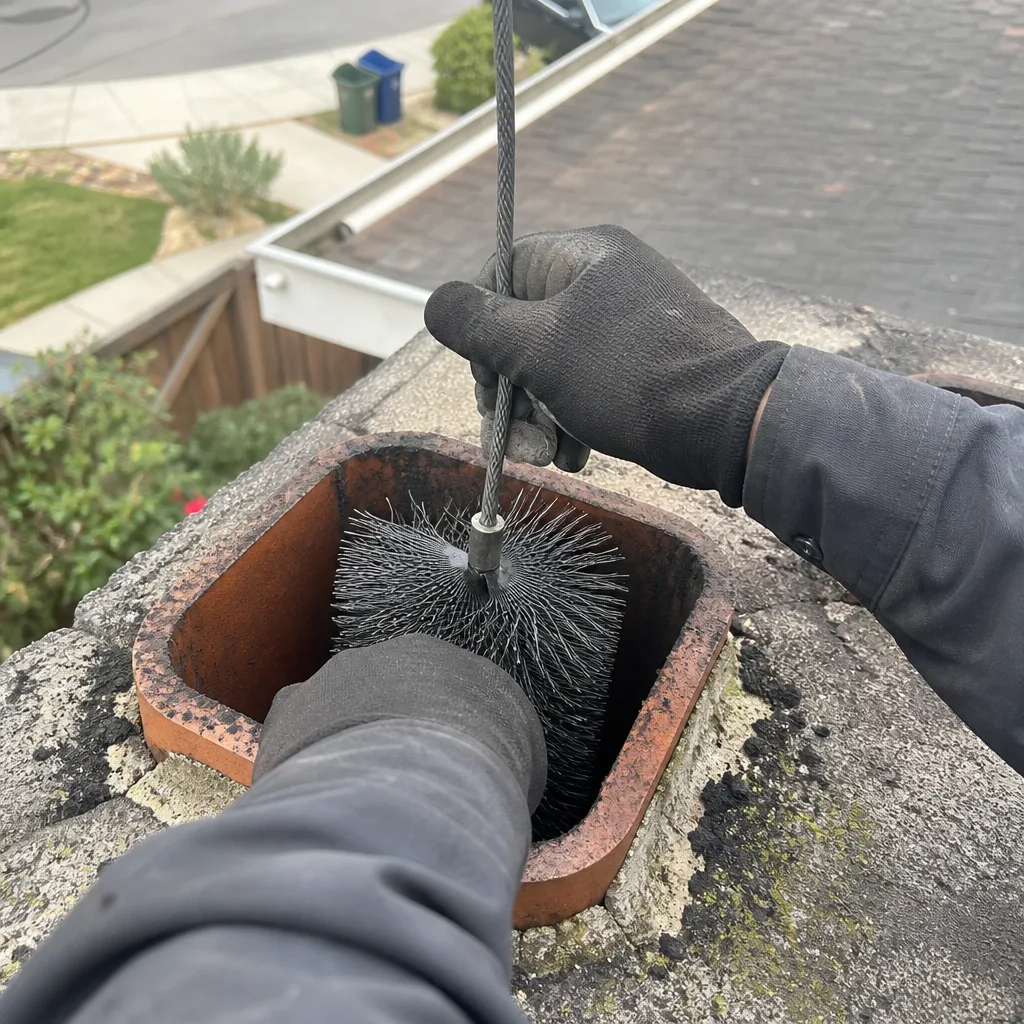
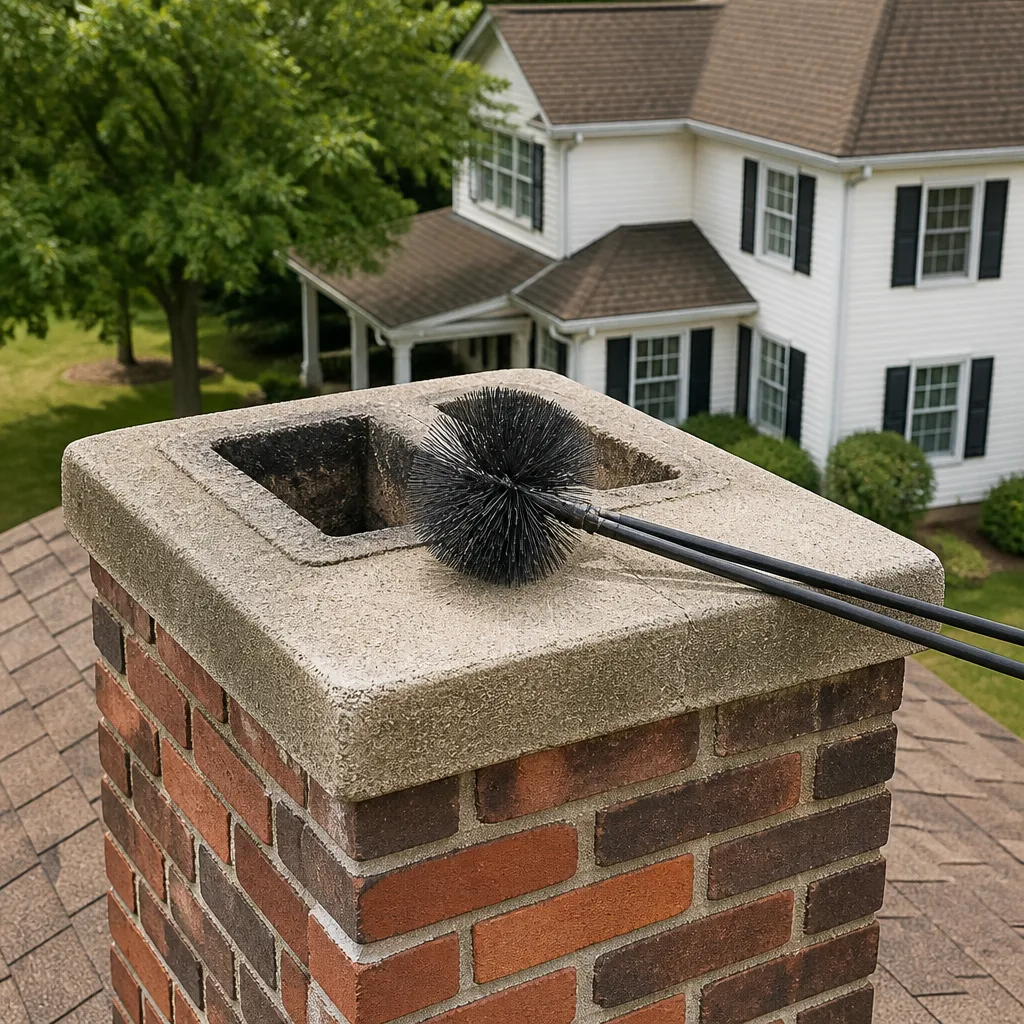
Consumer chimney brush kits cost $40 to $120. They include polypropylene or wire brushes in standard diameters, flexible fiberglass rods, and sometimes a basic ash vacuum. For a straightforward masonry fireplace with no liner damage and minimal creosote buildup, this equipment removes loose deposits adequately.
Professional chimney inspection equipment tells a different story. A Chimney Cleaning & Sweep in Santa Clara using NFPA 211 Level 2 standards deploys:
- Video scanning systems. High-resolution cameras on flexible cables, with LED lighting and 360-degree rotation, typically costing $8,000 to $15,000. These devices capture liner condition at every foot, stored as timestamped video files.
- Combustion analyzers. Digital devices measuring CO levels, draft pressure, and oxygen percentage - essential for gas fireplace conversions common in Santa Clara’s 1980s and 1990s housing stock.
- Specialized removal tools. Rotary cleaning systems with chain whips for glazed creosote (Class III), pneumatic devices for heavy buildup, and HEPA vacuums that contain rather than redistribute fine particulate.
- Crown and exterior assessment tools. Moisture meters, crack-width gauges, and sometimes drones for multi-story masonry assessments.
The relevant comparison isn’t brush cost versus brush cost. It’s brush cost versus camera system cost, and more importantly, brush capability versus camera capability. The camera doesn’t clean. It reveals what needs cleaning, what cleaning cannot fix, and what poses immediate danger.
In our work across Santa Clara, from the older homes near Santa Clara University to the 2010s builds in North San Jose border areas, we’ve found that creosote removal is rarely the primary service need. Liner deterioration, improper clearances, and water damage outrank it. A brush addresses none of these. A camera exposes all of them.
Materials matter too. When replacement is needed, we source flue liners from DuraFlex and HeatShield through Haven’s buying network, and crown repair materials from Gelco. These aren’t consumer-available products. They’re specified to venting standards that DIY installation cannot reliably meet.
The Documentation Gap: Why Records Matter
This is where the DIY versus professional distinction becomes structural, not merely technical. A professional chimney sweep produces four documents that a DIY cleaning cannot replicate:
- Written findings report. A dated, signed document describing flue condition, liner integrity, creosote classification, and recommended actions. Under Clause 4 of the Haven Standard, this includes the photo record from the camera inspection.
- Photo and video archive. Timestamped visual evidence of liner condition, stored by the company and provided to the homeowner. In Santa Clara’s active real estate market, this archive transfers with the home and satisfies buyer inspection contingencies.
- Written price and scope. Before any work begins, a fixed price for agreed scope - not an estimate that balloons. Haven Standard Clause 1 requires this: written price, written scope, written warranty, delivered before the technician starts.
- Warranty documentation. The 365-Day Done Right Promise - if it’s not done right, we make it right - backed by a company with 38,000+ documented jobs since 2009.
Why does this matter beyond the immediate service? Three scenarios:
Real estate transaction. A Santa Clara home sale in 2024 typically includes a chimney inspection contingency. “I cleaned it myself last year” satisfies no buyer, no agent, and no insurer. A Level 2 inspection report with photo documentation satisfies all three.
Insurance claim. After a chimney fire or CO event, insurers investigate maintenance history. A self-performed cleaning with no documentation places the burden of proof entirely on the homeowner. Professional records shift that burden to documented evidence.
Product warranty and liability. Fireplace insert manufacturers, liner manufacturers like DuraFlex, and repair material manufacturers like HeatShield require professional installation and maintenance for warranty validity. DIY work voids these protections.
The documentation gap isn’t a bureaucratic nicety. It’s the difference between a verifiable record and an unverifiable claim. In a litigious, insurance-dependent, real-estate-active market like Santa Clara, that distinction has concrete financial value.
The Liability Scenario: Fires, CO Events, and Insurance
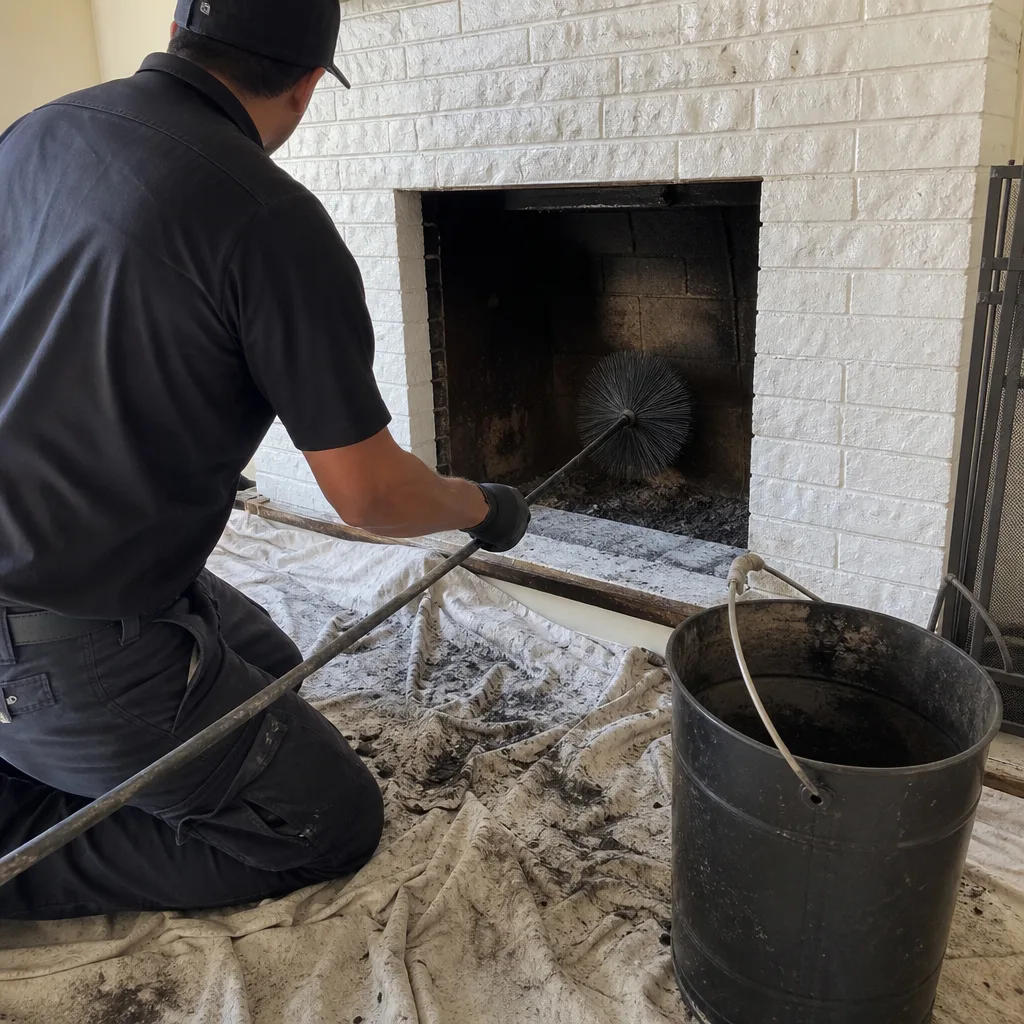
Chimney fires in Santa Clara County occur most frequently December through February, when first rains meet first fires. The typical sequence: homeowner lights seasonal fire, creosote ignites, liner crack or gap allows flame contact with surrounding structure. Response time from Santa Clara Fire Department is excellent, but the damage is often done before arrival.
In the aftermath, investigators establish cause and maintenance history. Here’s how the two paths diverge:
DIY cleaning path: Homeowner states they “cleaned the chimney regularly.” No dates, no photos, no professional assessment of liner condition. Insurance adjuster notes lack of documentation. Claim may be disputed on maintenance negligence grounds. Homeowner bears burden of proving adequate care. In subrogation, manufacturer or installer may also deny liability.
Professional service path: Dated inspection report shows liner condition at last service. Photos prove no visible crack existed, or document crack and recommended repair. Written price and scope show homeowner was informed. Warranty documentation shows work performed to standard. Insurance claim proceeds on evidence, not assertion.
Carbon monoxide events follow similar logic with worse outcomes. CO is odorless, symptom onset is gradual, and source identification requires systematic elimination. A documented camera inspection that shows liner gaps or negative pressure issues provides investigators a starting point. “I cleaned it myself” provides nothing.
We’re not suggesting DIY cleaning causes these events. Most chimney fires and CO intrusions occur in neglected systems, not carefully maintained ones. The liability issue is evidentiary. Professional documentation creates a record. DIY creates an assertion. In a dispute, records prevail.
For Fireplace Services in Santa Clara, this documentation standard applies whether the system is wood-burning, gas-converted, or pellet. The fuel type changes the risk profile; the documentation requirement does not.
Santa Clara-Specific Risks: Climate, Codes, and Seismic History
Santa Clara’s environment creates conditions that amplify the gap between surface cleaning and structural assessment.
Seismic history. The 2018 Hayward Fault sequence and ongoing regional tremors stress masonry structures. We’ve found liner displacement, crown separation, and flue offset widening in homes across the city, from the historic districts near Franklin Square to the hillside builds above El Camino Real. These defects don’t affect creosote accumulation. They affect structural integrity under fire conditions. No brush detects them.
Climate pattern. Santa Clara’s Mediterranean climate concentrates rainfall December through March, following months of dry heat that degrades mortar and crown sealant. Water intrusion through crown cracks or deteriorated flashing causes spalling (surface flaking of masonry), accelerated liner deterioration, and freeze-thaw damage in unexpected cold snaps. A DIY sweep in October addresses none of this seasonal damage pattern.
Code and permit context. Santa Clara County requires permits for chimney liner replacement, structural repair, and new fireplace installation. Professional sweeps identify code compliance issues - improper clearances, unlisted appliances, missing spark arrestors - that DIY cleaning cannot assess. When sale or insurance requires code compliance, professional documentation identifies the gap and the remedy.
Housing stock age distribution. Santa Clara’s homes span from 1920s bungalows to 2020s infill. Pre-1950s chimneys often lack liners entirely. 1960s-1980s builds frequently have damaged or improperly sized clay liners. 1990s-2000s gas conversions often retain original flue sizing that’s inadequate for new appliance venting requirements. Each era presents distinct risks that brush cleaning cannot evaluate.
In the Braly Ranch and Westwood Oaks neighborhoods, we’ve documented clay liner systems installed in the 1970s that appeared functional from below but showed multiple fractures above the smoke chamber. The homeowners were competent, careful, and had maintained their systems. They simply lacked visibility. That’s not a skill failure. It’s an equipment limitation in a seismically active, climatically variable environment.
Decision Framework: When DIY Makes Sense
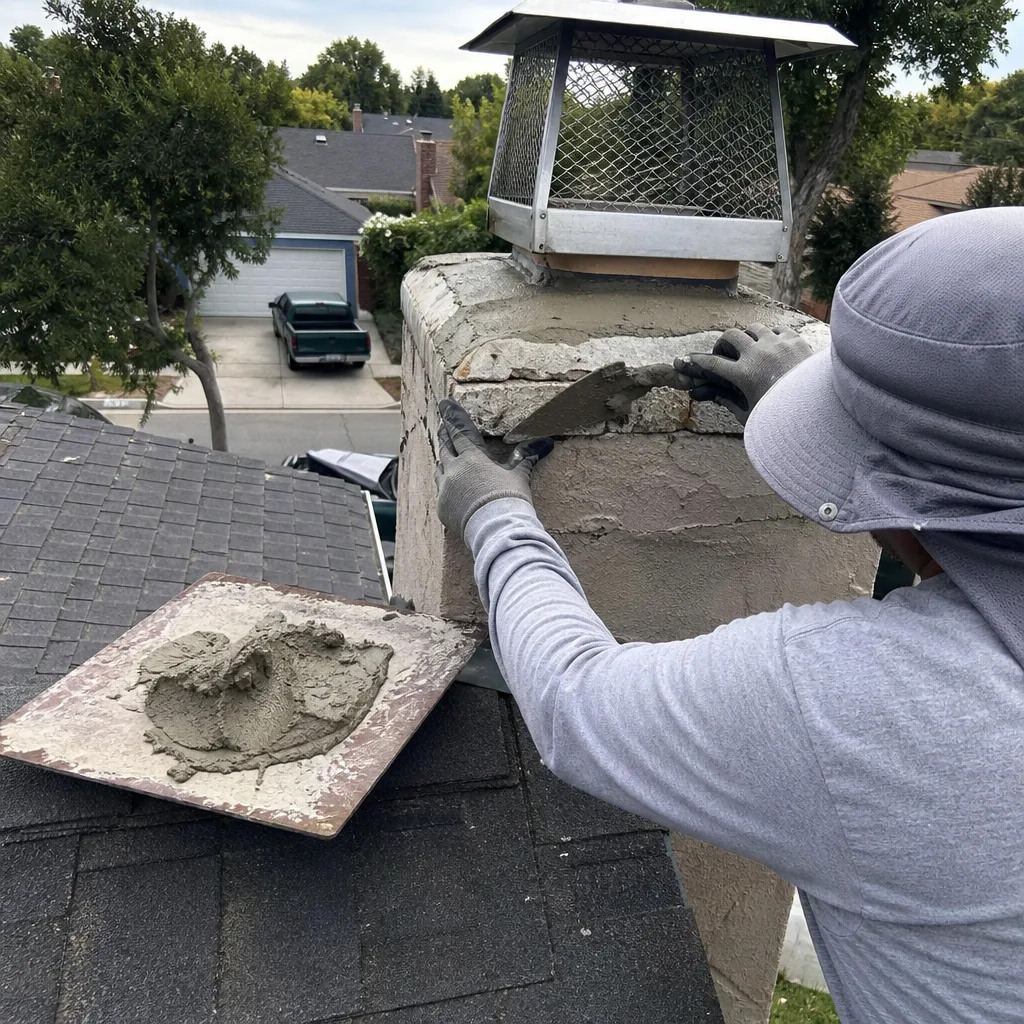
DIY chimney cleaning isn’t universally inadvisable. It occupies a specific place in maintenance strategy. Here’s the framework we use when Santa Clara homeowners ask us directly:
DIY is reasonable as supplemental maintenance when:
- The home was built after 2005 with a factory-built metal chimney and listed gas insert
- A professional Level 2 inspection within the last 12 months found no liner damage, no creosote accumulation beyond Class I, and no structural concerns
- The homeowner is performing mid-season light cleaning between annual professional visits
- The system is used infrequently (fewer than 20 fires per season) with well-seasoned hardwood
- The homeowner maintains written logs of DIY cleaning dates and can describe exactly what was done
Professional camera inspection is non-negotiable when:
- The home was built before 1995, regardless of apparent condition
- Any seismic event has occurred since last professional inspection, including minor tremors
- The system has been converted from wood to gas, or gas to wood, at any point
- There is any history of chimney fire, water intrusion, or masonry repair
- The home is being prepared for sale, refinance, or insurance renewal
- The homeowner notices any change in draft performance, odor, or visible exterior deterioration
- Class II or III creosote (shiny, tar-like, or hardened deposits) is present
The key distinction: DIY maintains a system that’s already documented as sound. It cannot establish that documentation. The annual professional visit creates the baseline; DIY extends it. Without the baseline, DIY is maintenance without measurement.
For Chimney Repair in Santa Clara, this framework determines whether we’re called for routine service or emergency intervention. Preventive documentation is always less expensive than reactive repair.
What Professional Service Includes
A Level Two Chimney Santa Clara home service follows NFPA 211 Level 2 standards - the inspection protocol we helped establish as industry practice since 2009. Here’s what arrives at your door:
- Scheduled arrival with notification. Background-checked, uniformed technician, license number visible, name assigned in advance. Text notification when en route - Haven Standard “Arrive on schedule” and “Verified crews.”
- Pre-work documentation. Exterior chimney assessment, appliance identification, and homeowner interview about usage patterns, prior service, and any concerns.
- Camera-scan inspection. High-resolution video of complete flue length, from firebox to crown, with narration of findings. Stored as dated, archived record under Clause 4 of the Haven Standard.
- Written findings and price. Before any cleaning or repair begins: what we found, what it means, what it costs, what the warranty covers. No exceptions. No “let me check with the office” after work starts.
- Performed work with photo record. Before-and-after documentation, combustion analysis for gas systems, and final condition verification.
- Delivered documentation package. Written report, photo archive access, warranty terms, and next-service recommendation.
This isn’t a premium package or upsell. It’s the default. We’ve completed 38,000+ chimney inspections and cleanings since 2009, every one with written price before work started and documented record when done.
The 365-Day Done Right Promise applies to every job. The Free Second Opinion on any written estimate applies to any competitor’s quote you bring us. Live phone support runs 24 hours a day, 7 days a week - answered by a person, not a voicemail tree.
Cost Comparison: Real Numbers for Santa Clara
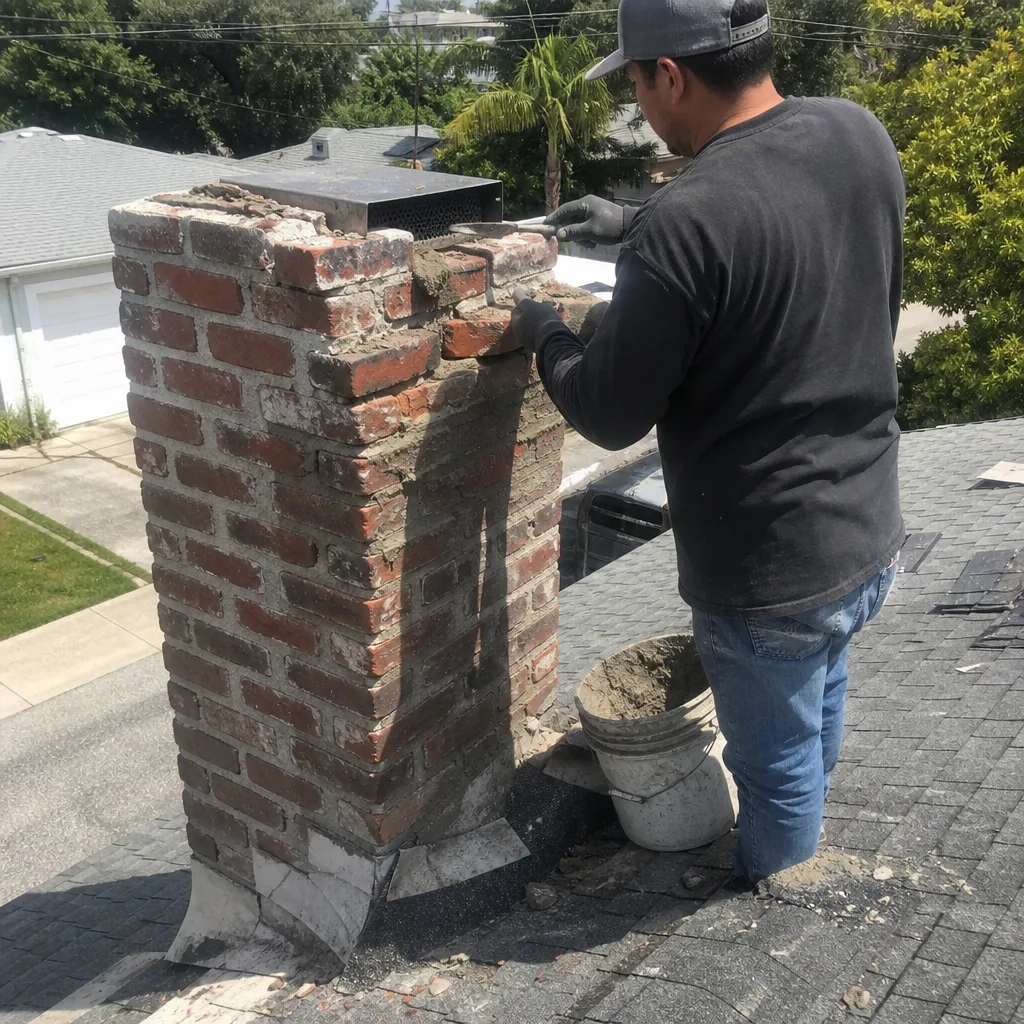
DIY chimney cleaning costs $40 to $120 in equipment, plus three to four hours of homeowner time, plus risk of incomplete assessment. See our Chimney Cleaning Cost Breakdown: The Santa Clara Homeowner’s Reference for 2026 for full pricing context. For a simple, documented-healthy system, this may be acceptable supplemental maintenance.
Professional chimney sweep and inspection in Santa Clara runs:
| Service | Typical Range | What’s Included |
|---|---|---|
| Level 2 Inspection with Camera Scan | $250 - $400 | Full flue video, written findings, photo archive |
| Standard Sweep with Level 2 Inspection | $300 - $500 | Inspection plus creosote removal, firebox cleaning, damper service |
| Heavy Creosote Removal (Class III) | $450 - $700 | Rotary cleaning, chemical treatment, re-inspection |
| Gas Fireplace Service with Analysis | $200 - $350 | Combustion analysis, burner service, venting verification |
These are Santa Clara market ranges for documented, warranted service with photo records. Prices below this range typically indicate inspection without camera, or sweep without documentation - the “flashlight look” that Haven Standard Clause 4 was designed to replace.
The cost gap between DIY and professional isn’t the relevant comparison. The relevant comparison is: does the service produce documentation that protects your home’s value, satisfies insurance requirements, and verifies safety? If not, the lower price isn’t savings. It’s an undocumented gamble.
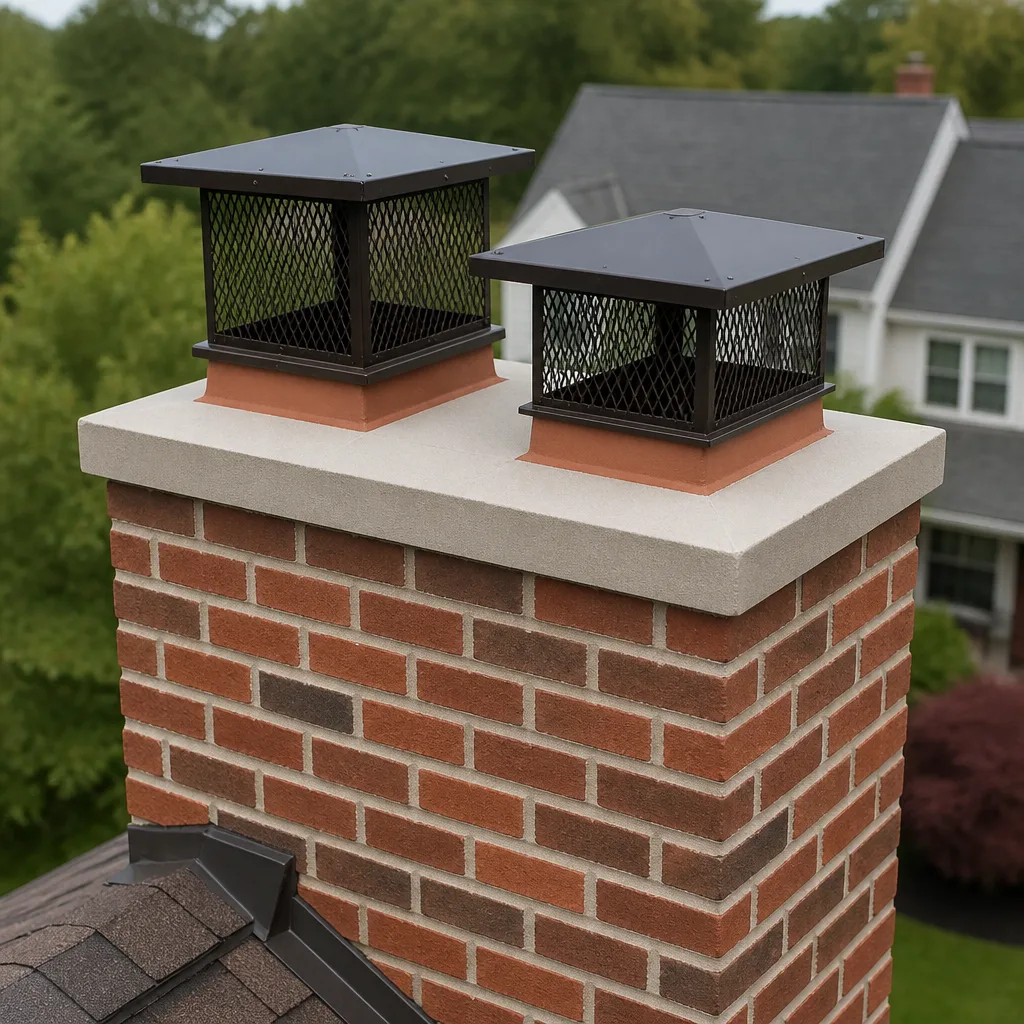
Materials for necessary repairs - liners from DuraFlex or HeatShield, crown materials from Gelco, caps and accessories from Copperfield - are procured through Haven’s buying network specifically to keep customer prices honest. We name the manufacturer because the specification matters to performance and warranty validity.
Common Mistakes to Avoid
- Assuming “no smell, no problem.” Carbon monoxide is odorless. Proper draft and liner integrity aren’t detectable by household senses. In Santa Clara’s tightly sealed modern homes, negative pressure can reverse draft without any warning sign until CO alarms trigger.
- Using the wrong brush material. Wire brushes on stainless steel liners cause scoring that accelerates corrosion. Poly brushes on heavy creosote glaze without chemical pretreatment simply polish the surface. Most homeowners don’t know their liner material before they buy the kit.
- Cleaning from the top down without fall protection. Roof work on Santa Clara’s varied pitches, especially on two-story homes in the hills above Stevens Creek Boulevard, causes preventable injuries every season. The chimney top needs inspection, but not by an untrained homeowner on an extension ladder.
- Ignoring the smoke chamber. This is where most chimney fires start, and it’s the least accessible area from below. DIY brushes skim the surface. Professional rotary systems and hand-finishing reach the sloped walls where creosote concentrates.
- Skipping the exterior. Santa Clara’s winter rain pattern makes crown and cap condition critical. A clean flue with a cracked crown fills with water, degrades the liner, and creates freeze-thaw damage. Interior cleaning doesn’t protect against exterior failure.
- Documenting nothing. If you do perform DIY maintenance, record the date, what you did, what you observed, and any concerns. This isn’t as strong as professional documentation, but it’s infinitely better than memory alone when questions arise.
When to Call a Professional
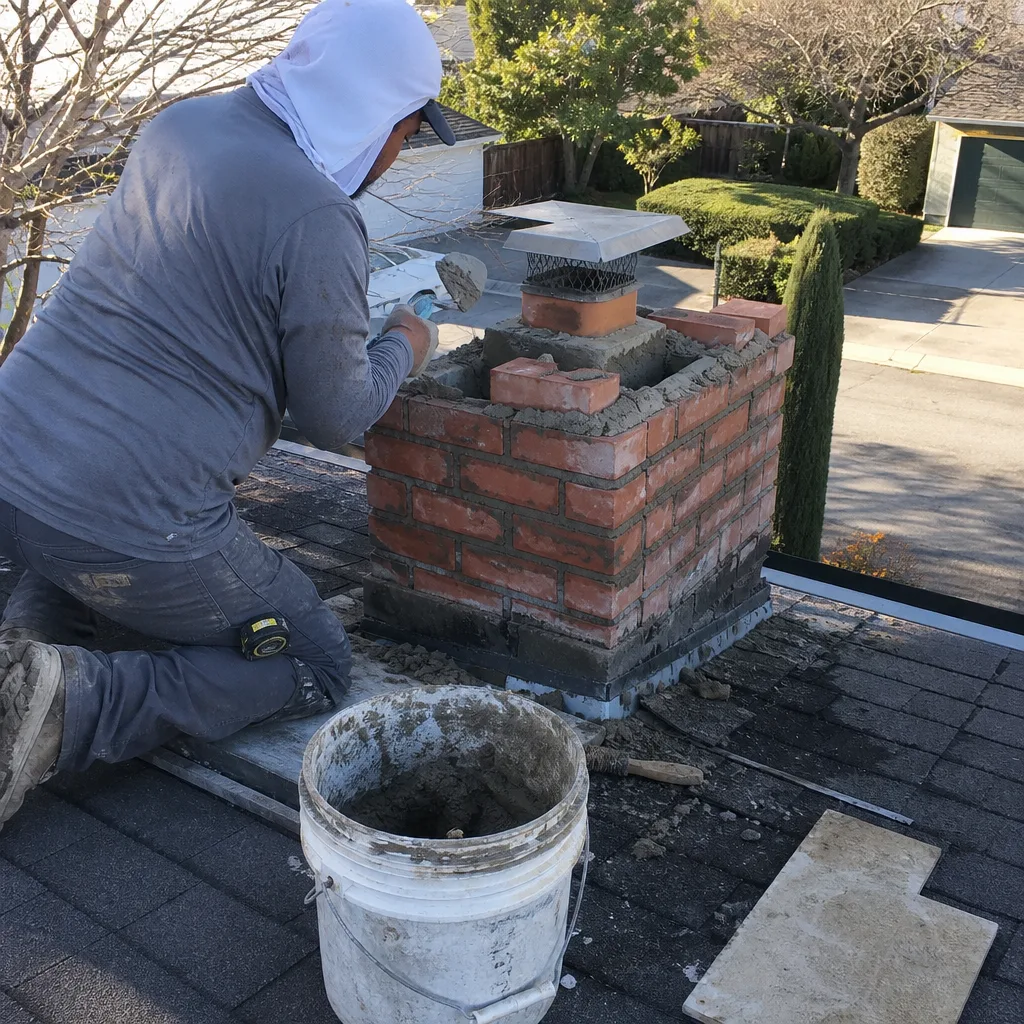
Call a professional when documentation matters - which is more often than most homeowners assume. Any pre-1995 Santa Clara home, any post-seismic-event period, any fuel conversion, any real estate transaction, any insurance requirement, any performance change, any visible exterior deterioration. These aren’t “maybe” scenarios. They’re conditions where camera inspection is the only method that reveals what brush cleaning cannot.
Level Two Chimney Santa Clara offers free estimates in Santa Clara - call (650) 229-6358. We’ll provide a written price before any work starts, a camera inspection that shows you exactly what we see, and documentation that means something to insurers, buyers, and your own peace of mind. The 365-Day Done Right Promise applies to every job, and a Free Second Opinion is always available on any competitor’s written quote.
Frequently Asked Questions
A Level 2 inspection with camera scan typically runs $250 to $400, while a standard sweep with inspection ranges from $300 to $500. Heavy creosote removal or gas fireplace service with combustion analysis may run higher. Level Two Chimney Santa Clara provides written pricing before any work begins - call (650) 229-6358 for a free estimate.
Yes, for basic creosote removal from accessible lower flue sections on a documented-healthy system. You cannot perform camera inspection of liner condition, produce written findings for insurance or real estate purposes, or assess structural integrity. DIY is supplemental maintenance between professional visits, not a replacement for them.
NFPA 211 recommends annual inspection for all chimney systems, with cleaning frequency based on use and fuel type. Wood-burning systems used regularly need annual sweep. Gas systems need annual inspection with less frequent cleaning. Santa Clara’s seismic activity and concentrated winter rainfall make the annual inspection non-negotiable regardless of use pattern.
Skipped maintenance allows creosote accumulation, liner deterioration, and water damage to progress undetected. The risks are chimney fire from ignited creosote, carbon monoxide intrusion through liner gaps, and accelerated masonry decay from water intrusion. In Santa Clara’s competitive real estate market, lack of documentation also reduces buyer confidence and may trigger inspection contingencies that delay or derail sales.
A reputable company shows you camera evidence before recommending liner replacement. At Level Two Chimney Santa Clara, Clause 4 of the Haven Standard requires photo documentation of every finding. We explain what we see, what it means for safety and performance, and when work can safely wait. Bring us any competitor’s written estimate for a Free Second Opinion - we’ll review their findings against our own camera inspection.
Level 1 is a visual inspection of accessible portions without specialized equipment - what a homeowner or basic sweep might perform. Level 2 requires video scanning of the complete flue interior, accessible exterior assessment, and written documentation. In Santa Clara, Level 2 is the standard for real estate transactions, insurance requirements, and any system with suspected damage or fuel conversion history. Level Two Chimney Santa Clara performs Level 2 inspection as our default, not an upgrade.
The Bottom Line
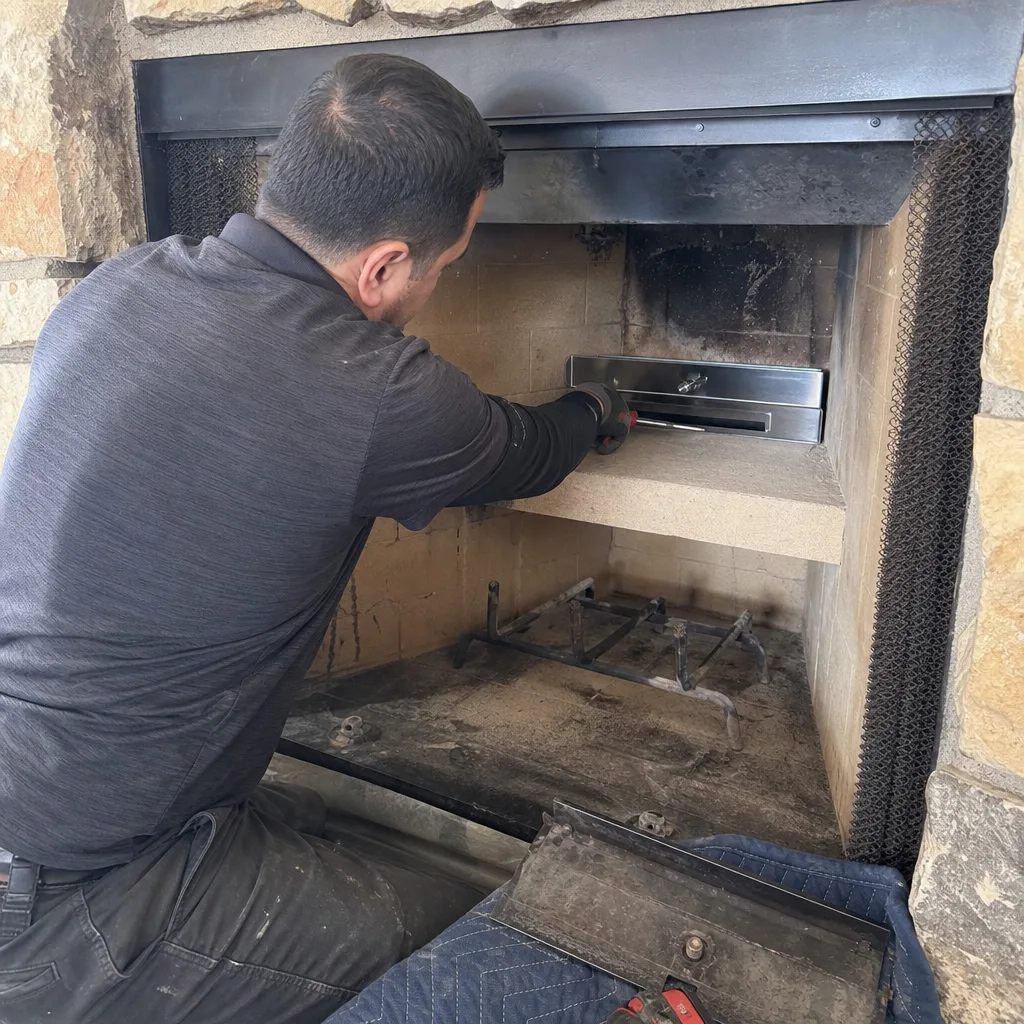
The DIY versus professional chimney cleaning question isn’t about capability. A careful homeowner can remove creosote from accessible flue sections. The question is about documentation, visibility, and evidence. In Santa Clara’s seismically active, climatically variable, real-estate-competitive environment, the gap between “I cleaned it” and “here’s what the camera found” has real consequences for safety, insurance, and home value. DIY maintains a documented system between professional visits. It cannot create that documentation, assess structural integrity, or satisfy third-party requirements. For homes built before 1995, after any seismic event, with any fuel conversion, or in any transaction context, professional camera inspection isn’t an upsell. It’s the minimum standard for knowing what you have.
Written by Corrine Halstead, Owner at Level Two Chimney Santa Clara, serving Santa Clara since 2009.