
Last updated September 22, 2026
Level 1 sweep and inspection to the NFPA 211 annual standard - flue, crown, cap, and flashing checked and photographed
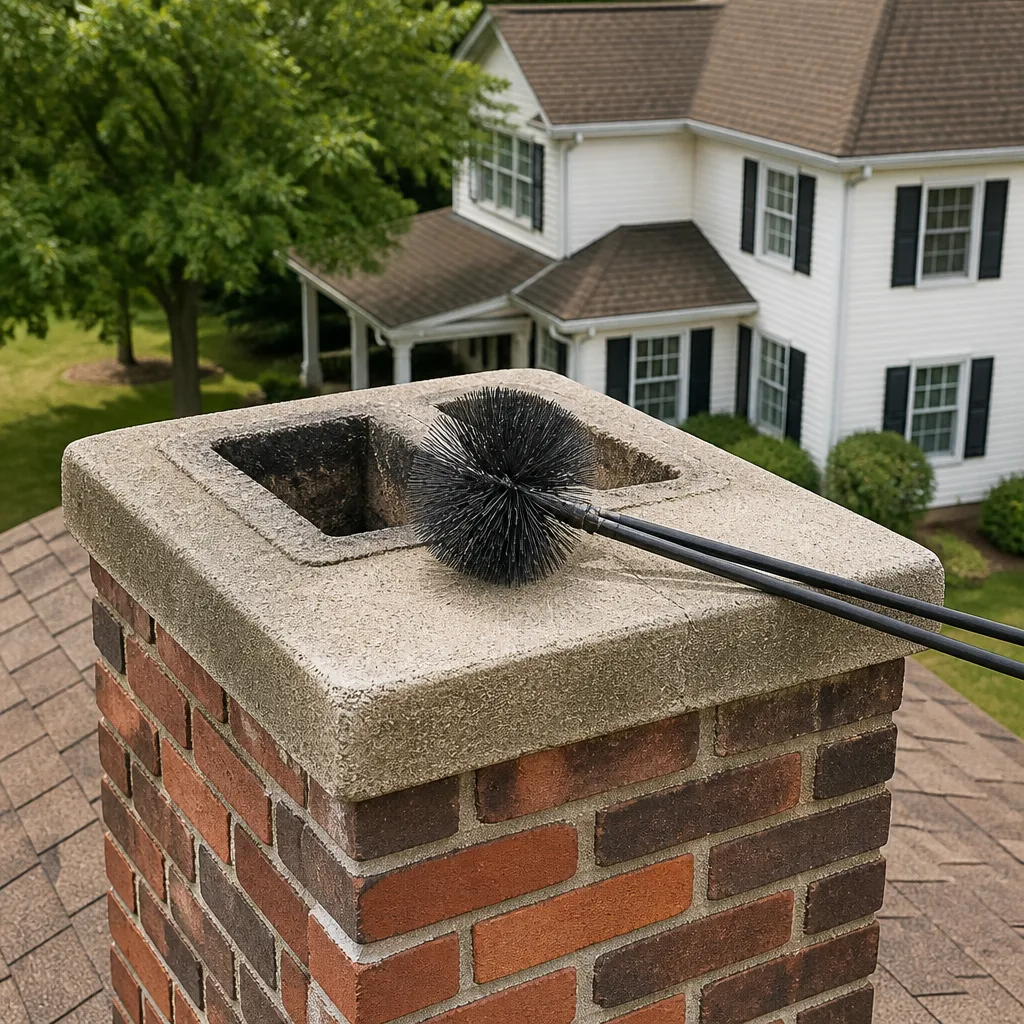
Chimney sweep logs do not sweep chimneys. They loosen some creosote - which then falls where a brush and vacuum still have to collect it.
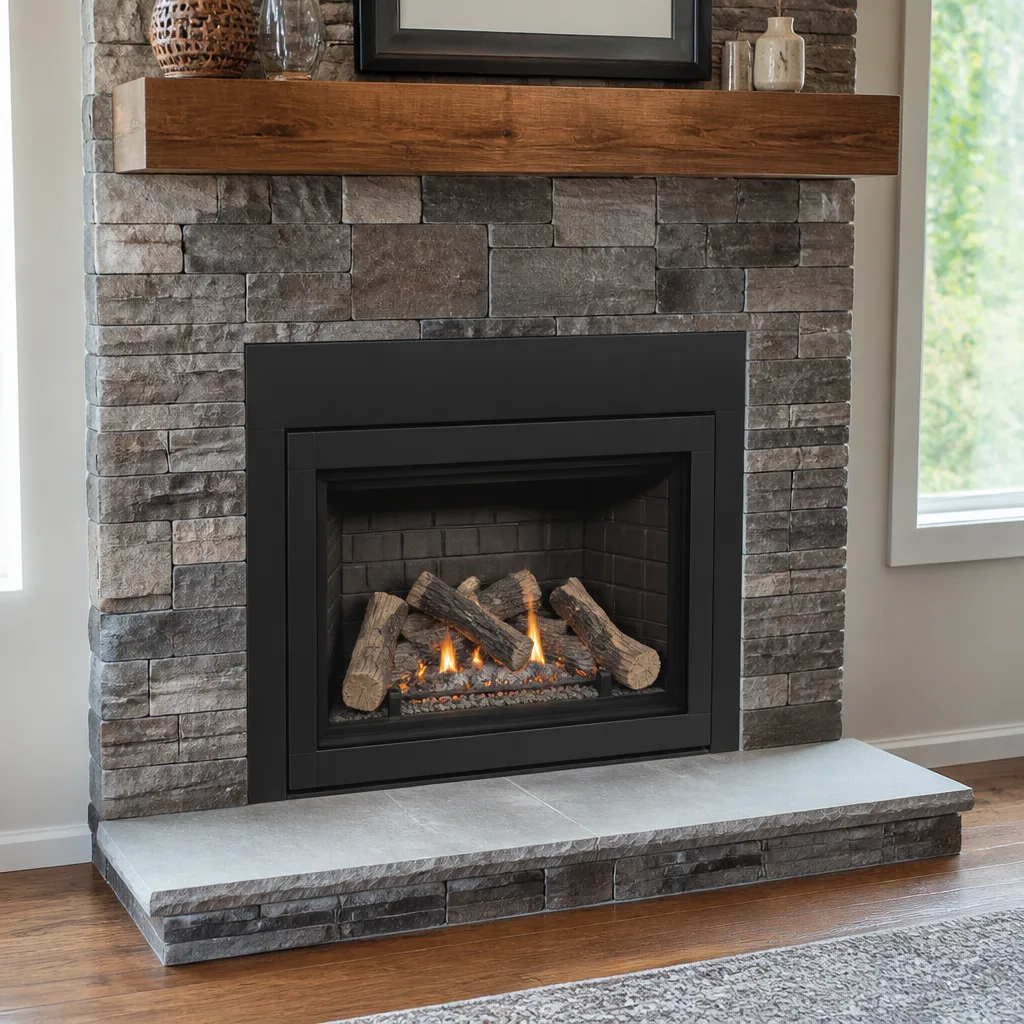
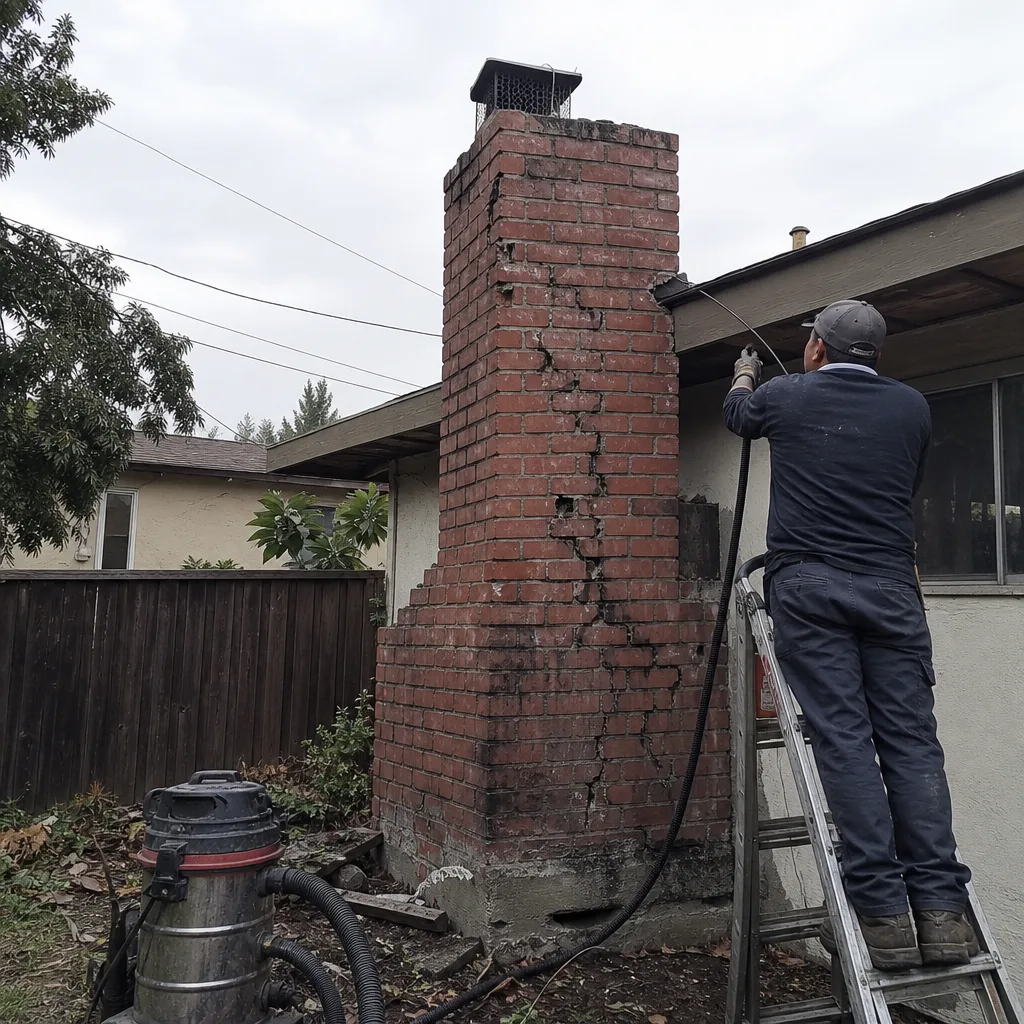 Before
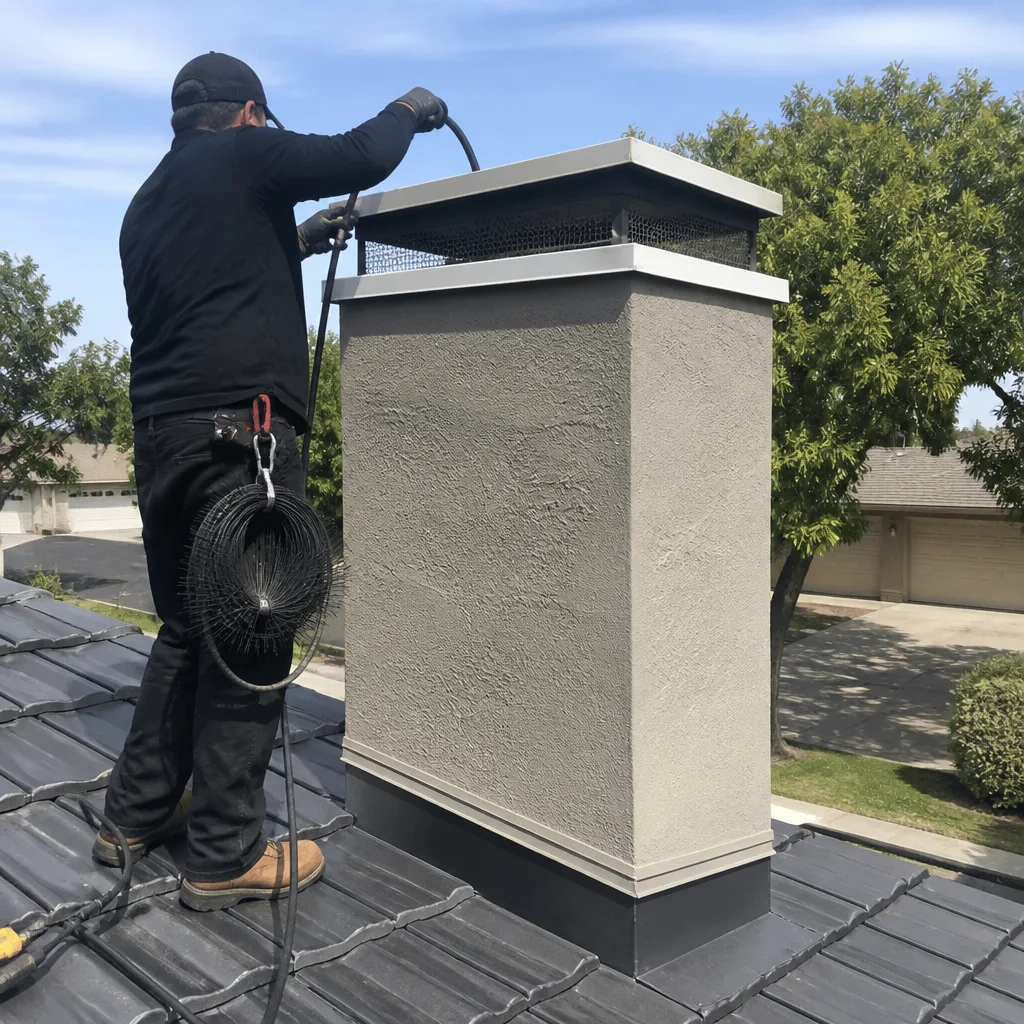 After
After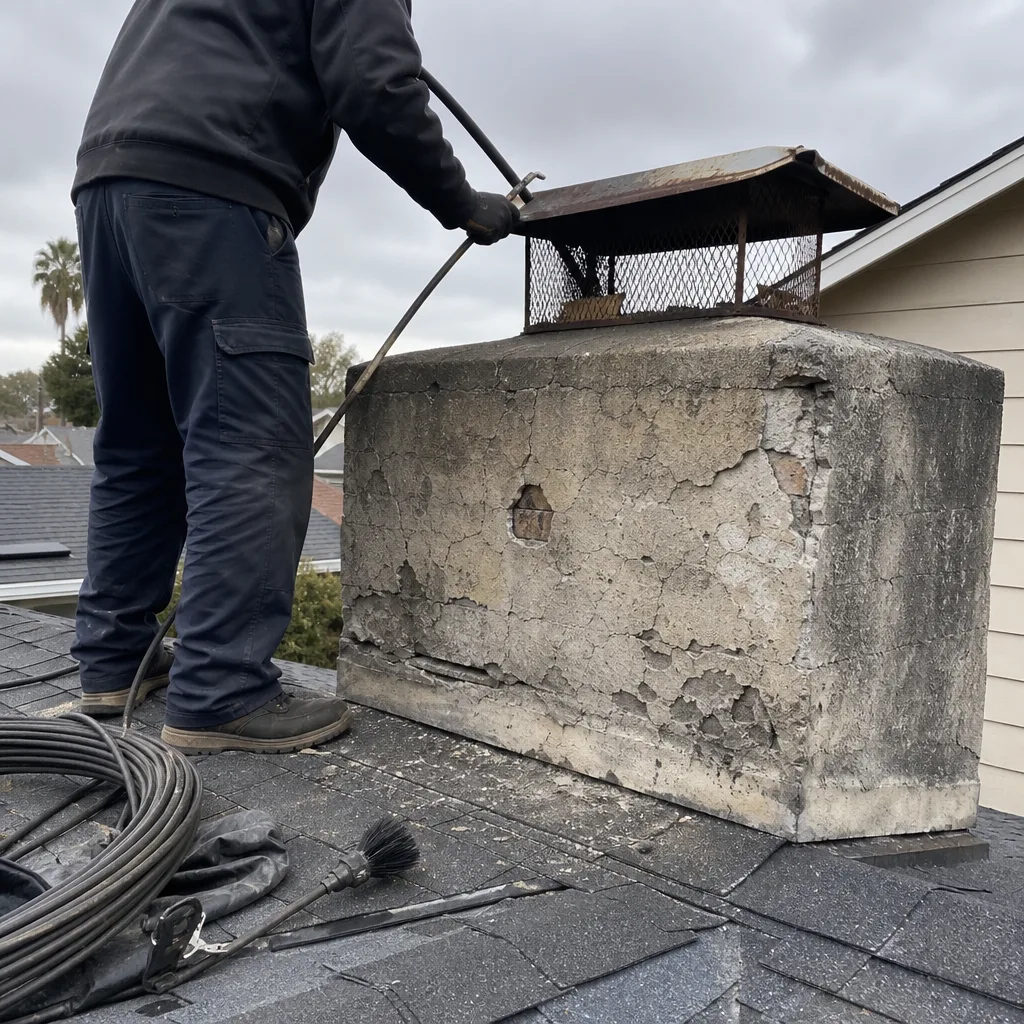 Before
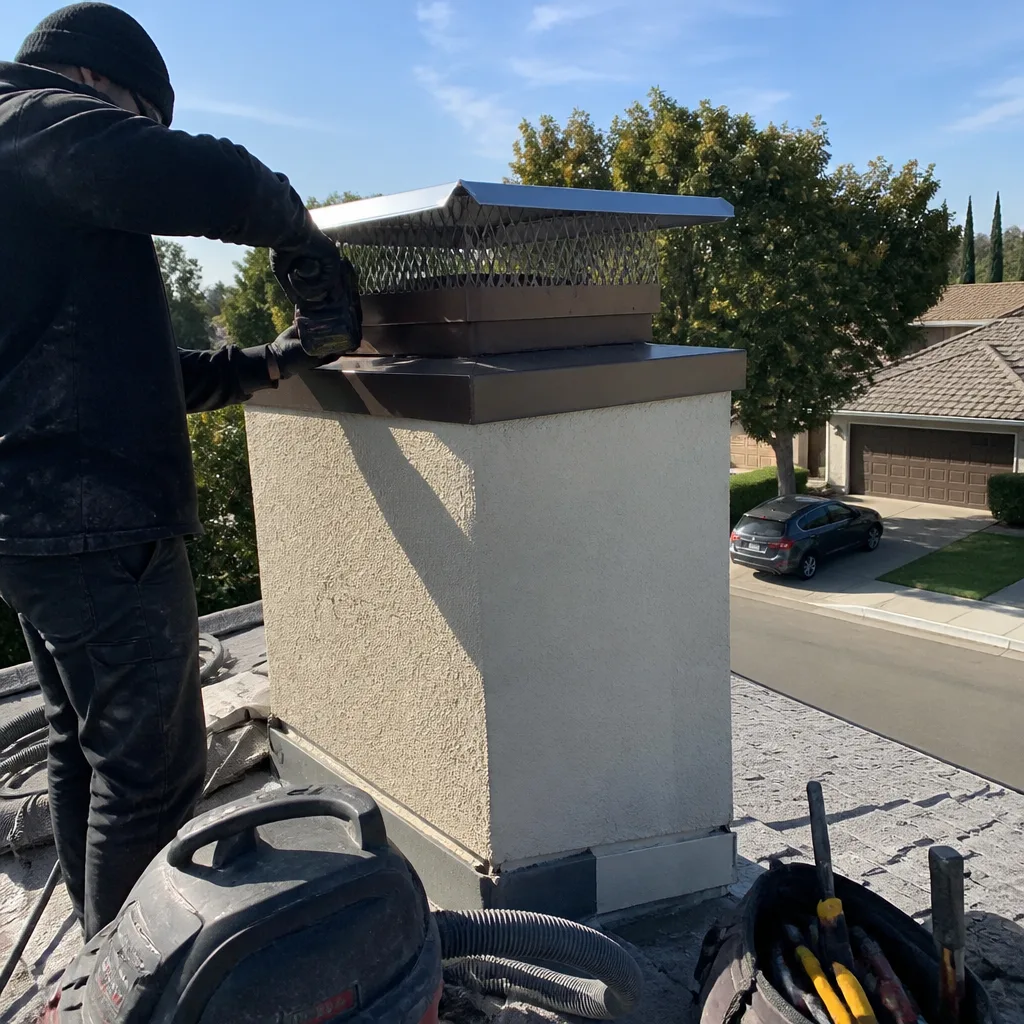 After
After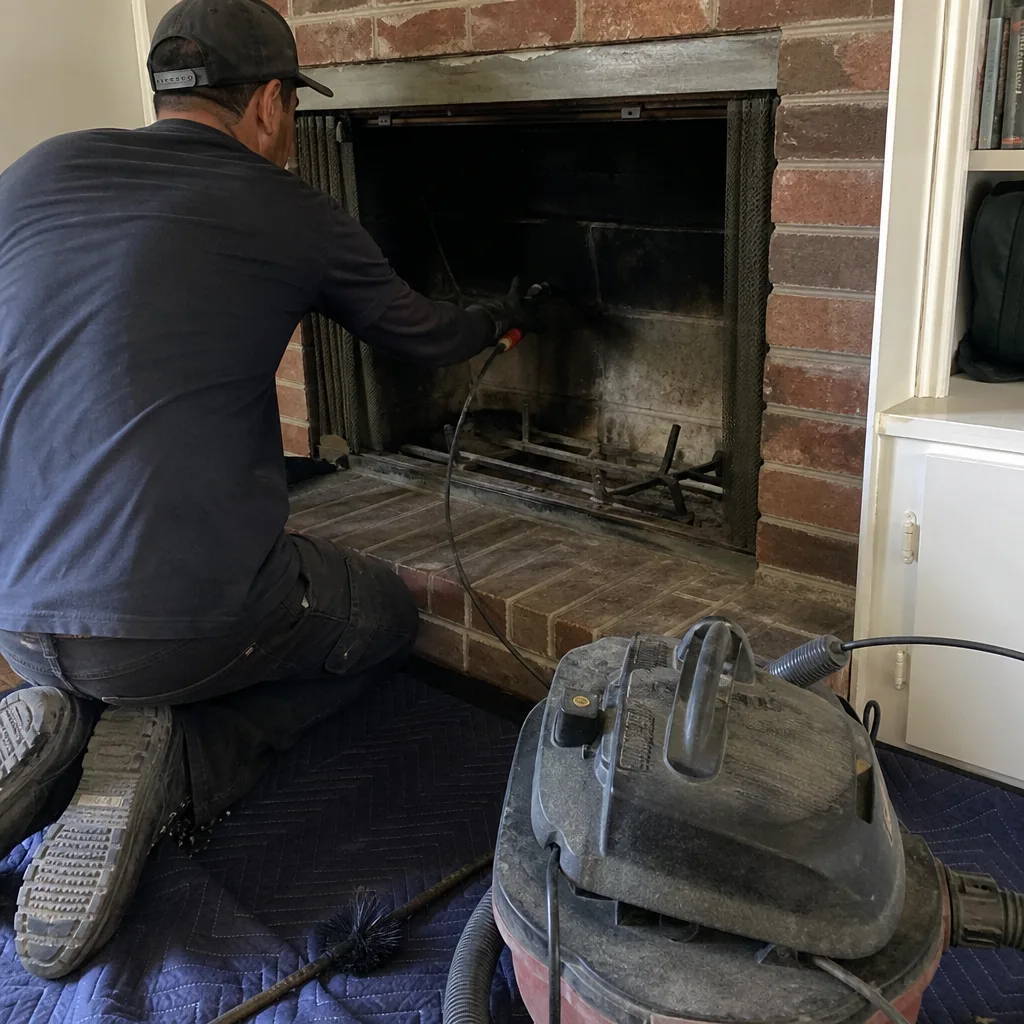 Before
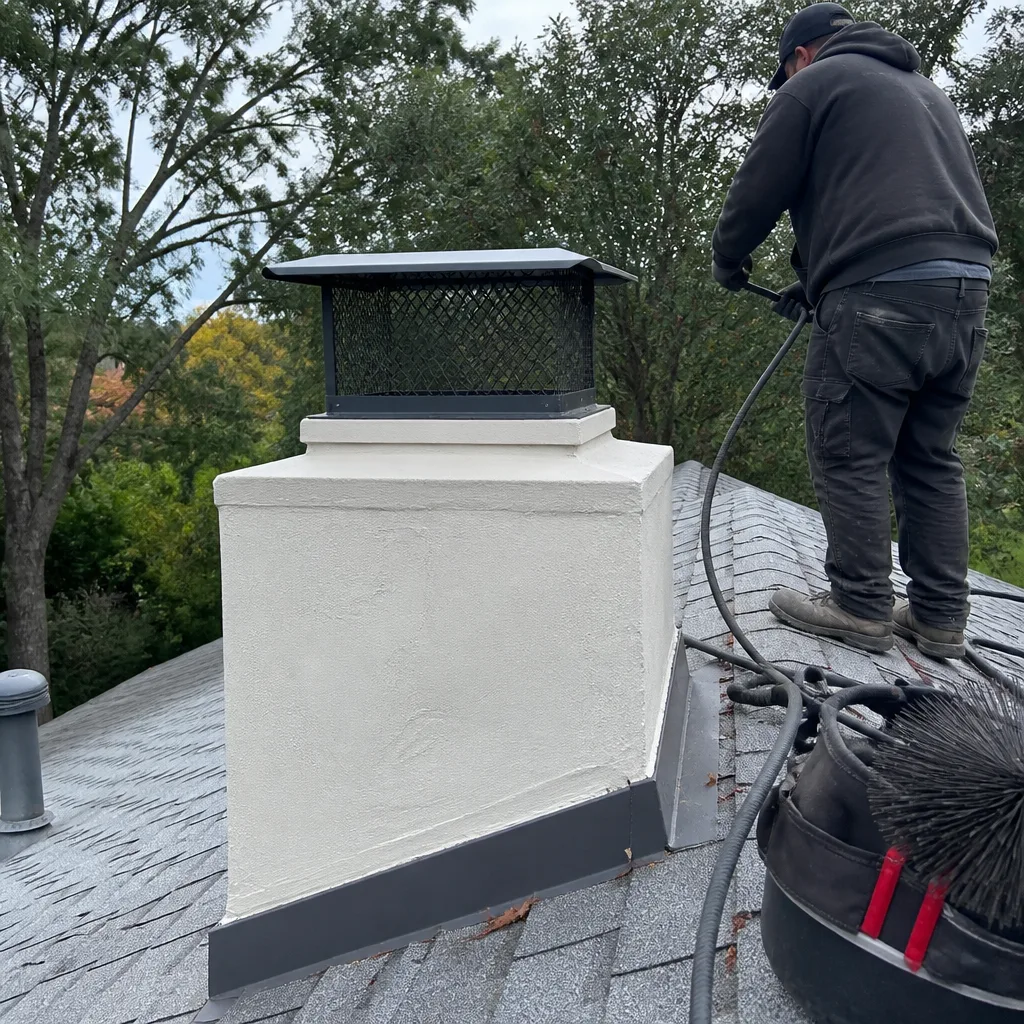 After
AfterSeasonal Chimney Cleaning Care for Santa Clara: Year-Round Homeowner’s Guide
The creosote in a Santa Clara chimney doesn’t build the way it does in Minnesota. Low-heat, infrequent fires in a cool flue deposit a denser, stickier residue in fewer burns - which means a chimney used only during holiday gatherings can reach a hazardous creosote stage faster than one used weekly in a cold climate. Most Santa Clara homeowners burn fewer than 25 fires per year, yet follow advice written for climates with six-month burning seasons. This guide reorganizes the annual chimney calendar around Santa Clara’s actual climate pattern: compressed burning seasons, marine-layer humidity, extended warm falls, and the specific risks of dormancy.
Quick Answer
Seasonal chimney cleaning in Santa Clara follows a four-part calendar: an October pre-season inspection after summer dormancy, a mid-season creosote check in February if you’ve burned more than 15 fires, a post-rainy-season cap and moisture inspection in April, and an unscheduled liner check after any significant seismic event. For most Santa Clara homes, a single professional sweep with camera inspection before the first fire, plus targeted mid-season monitoring, provides adequate protection against chimney fires and carbon monoxide intrusion. See our Chimney Cleaning & Sweep Maintenance Checklist for Santa Clara Homeowners for the full seasonal breakdown.
Table of Contents
- Why October - Not September - Is Santa Clara’s Real Pre-Season Window
- The Post-Summer Dormancy Check: What Humidity and Animals Leave Behind
- February Mid-Season: When Low-Heat Fires Catch Up With You
- Post-Season Spring Tasks Most Homeowners Skip
- Earthquake Season: The Unscheduled Inspection You Can’t Calendar
- What a Seasonal Inspection Actually Includes in Santa Clara
- Santa Clara Chimney Sweep Costs and Timing
- Common Mistakes to Avoid
- When to Call a Professional
- Frequently Asked Questions
 Before
 After
AfterWhy October - Not September - Is Santa Clara’s Real Pre-Season Window
Every chimney sweep website in America tells you to schedule in September. In Santa Clara, that’s usually wrong.
The Bay Area’s extended warm fall means most households don’t light their first fire until late October or November. Scheduling a sweep in September creates a six-to-eight-week gap between service and first use - a gap filled with Santa Clara’s most active animal nesting period and the return of marine-layer moisture that defines our October mornings.
Here’s what happens in that gap. Swifts, chimney swallows, and the occasional raccoon are still active through September and often into early October. A cap that was secure in mid-September may not be by Halloween. More critically, the first significant rains of the Bay Area season typically arrive in October, not September. A flue swept and pronounced clean on September 15 can host new moisture staining, leaf debris, or animal activity before the first match is struck.
Our recommendation for Santa Clara homeowners: target the third week of October for pre-season service. This places the inspection close enough to first use that conditions haven’t degraded, yet early enough to address any findings before holiday gatherings. In neighborhoods like Rivermark and the older stock near Santa Clara University, where masonry chimneys date to the 1950s and 1960s, this timing also allows repair scheduling before December rain.
The exception: if your previous inspection revealed Class III glazed creosote, or if you burned more than 20 fires the prior season, move to early October. Glazed creosote hardens further with summer heat cycling and becomes more difficult to remove.
What we deliver in October: a full NFPA 211 Level 2 inspection with camera scan down the flue, documented photo record per Haven Standard Clause 4, and a written price for any recommended work before we start. We’ve completed more than 38,000 chimney inspections and cleanings since 2009, every one with that written price and documented record.
The Post-Summer Dormancy Check: What Humidity and Animals Leave Behind
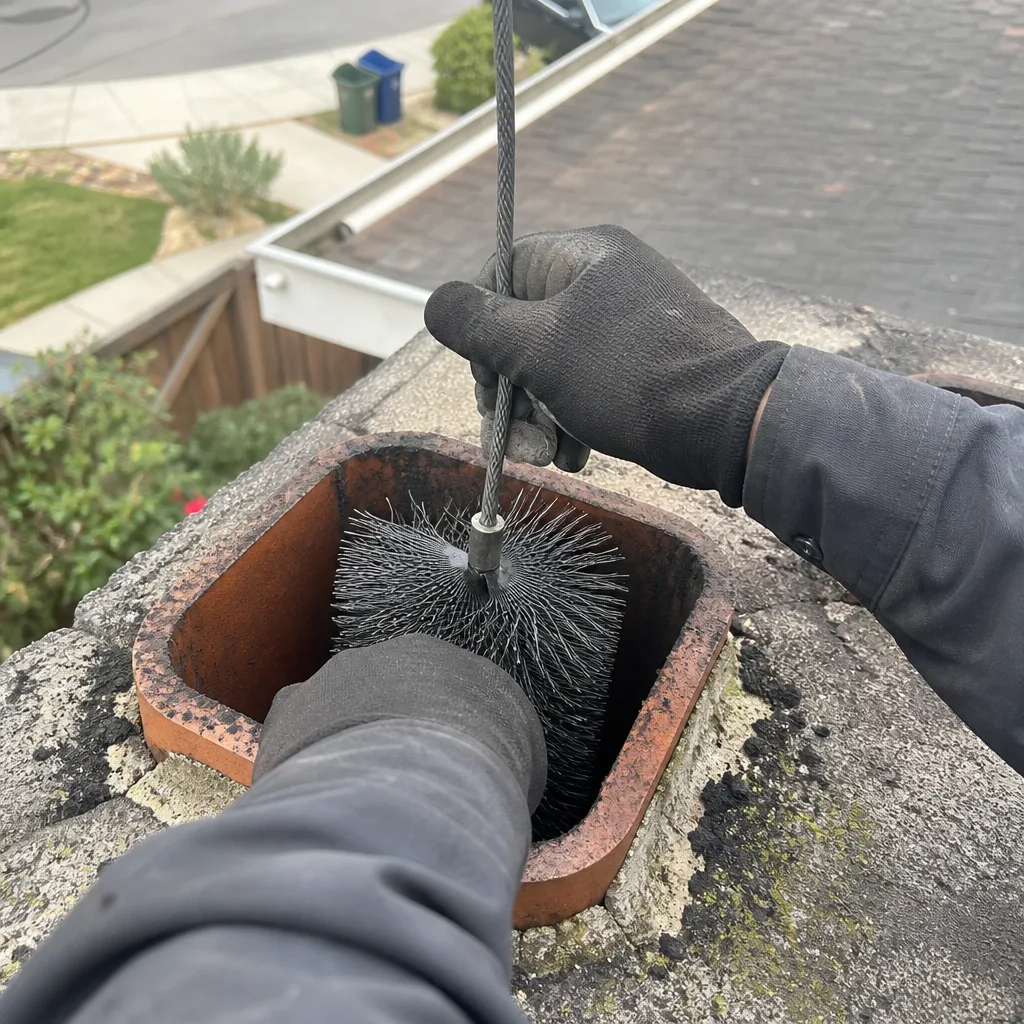
A chimney that hasn’t been used since March is not a chimney in suspended animation. It’s a vertical passage open to weather, wildlife, and the particular chemistry of Santa Clara’s summer air.
Marine-layer humidity penetrates flues differently than the dry heat of inland California. In Santa Clara, summer humidity cycles - dry days, moist mornings - create condensation inside cool masonry flues. That moisture combines with residual soot to form acidic compounds that attack mortar joints and metal liners. By October, a flue that was “fine” in April may show spalling (surface flaking) on clay tiles, or corrosion pinholes in a stainless liner.
Animal activity peaks differently here too. Unlike colder climates where nesting ends by June, Bay Area wildlife extends breeding and shelter-seeking into early fall. We’ve pulled nests from Santa Clara chimneys in every month of the year. The most common findings:
- Chimney swift nests: constructed of twigs cemented with saliva, often blocking the upper third of the flue
- Dry leaf and debris accumulations from nearby valley oaks and redwoods, particularly in the foothill neighborhoods toward Cupertino
- Raccoon scent-marking and organic matter that accelerates flue corrosion
- Displaced or damaged chimney caps from summer wind events or animal leverage attempts
The camera scan reveals what a flashlight inspection cannot. In 2009, we made camera documentation the default on every job - years before insurers or regulators required it - and that practice became Clause 4 of the Haven Standard. When we lower the camera, we’re looking for:
- Moisture staining patterns: Active leaks show as darkened mortar joints or rust streaks on metal liners. We document the location by footage marker so you can compare year to year.
- Creosote class progression: Class I (sooty, brush-removable), Class II (granular, requires rotary chain), or Class III (glazed, baked-on, requires chemical treatment or replacement). Santa Clara’s low-heat fires disproportionately produce Class II and III.
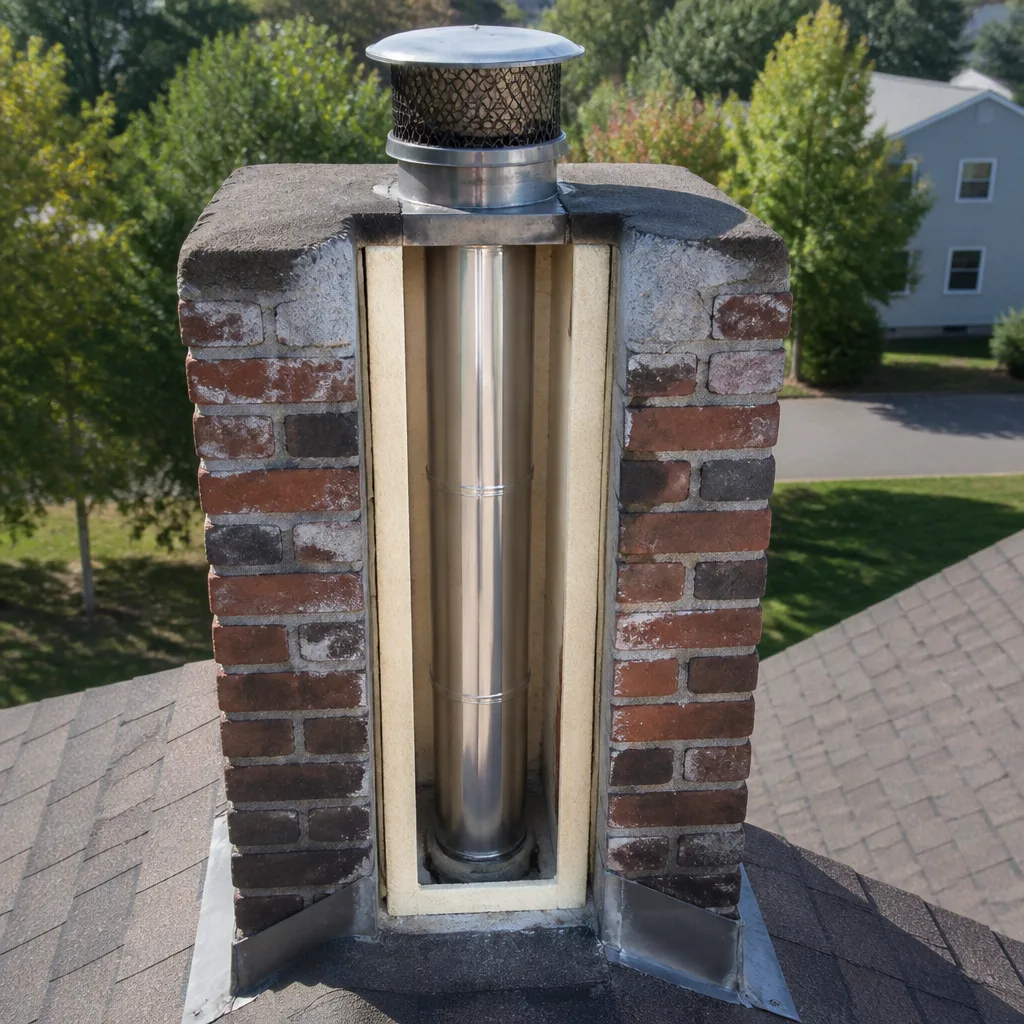
- Liner integrity: Cracks, gaps, or displacement in clay tile; corrosion or seam separation in stainless or aluminum; delamination in poured refractory liners.
- Smoke chamber condition: The area above the firebox, often corbeled brick, where most chimney fires originate. Parging (smoothing mortar) degradation is common in pre-1980 Santa Clara construction.
If we find active animal occupation, we coordinate with wildlife removal before sealing the cap. If we find moisture intrusion, we trace the source - cap, crown, flashing, or masonry porosity - and show you the footage before quoting repair.
February Mid-Season: When Low-Heat Fires Catch Up With You
Most Santa Clara homeowners assume one annual sweep is sufficient. For light use - under 10 fires per season - that’s often true. But if you’ve burned more than 15 fires, especially the low, smoldering fires common in our mild winters, February is when creosote deposits reach critical mass.
The physics work against infrequent burners. A cold flue (common in Santa Clara’s 45-55°F evening temperatures) doesn’t establish strong draft. Combustion gases cool rapidly against flue walls, condensing as liquid creosote rather than exhausting as vapor. The result: fewer fires produce more deposit than the same number of fires in a properly heated flue.
We see this pattern consistently in Santa Clara’s 94050, 95050, and 95051 ZIP codes. Homeowners who burn “just on weekends” or “only when guests are over” often reach February with Class II or III creosote that a September sweep missed entirely - because it hadn’t formed yet.
Signs you need a February check:
- Visible black, shiny, or tar-like deposits visible from the firebox opening
- Smoke rollout when opening the loading door (indicating restricted draft)
- Burning odors that persist beyond the first 10 minutes of operation
- Any single fire that required more than one match to establish
- More than 15 fires since your October sweep, even “small” fires
A February inspection is not a full sweep unless needed. We camera-scan, classify creosote, and provide a written condition report. If the flue is still Class I, you wait until post-season. If it’s progressed to Class II or III, we quote removal before your remaining burns compound the hazard. The 365-Day Done Right Promise applies: if it’s not done right, we make it right.
Materials matter for mid-season repairs if needed. We source liners and components through our Haven buying network from DuraFlex, HeatShield, and Olympia Chimney specifically to keep customer prices honest - no markup theater, no brand substitution after quote.
Post-Season Spring Tasks Most Homeowners Skip
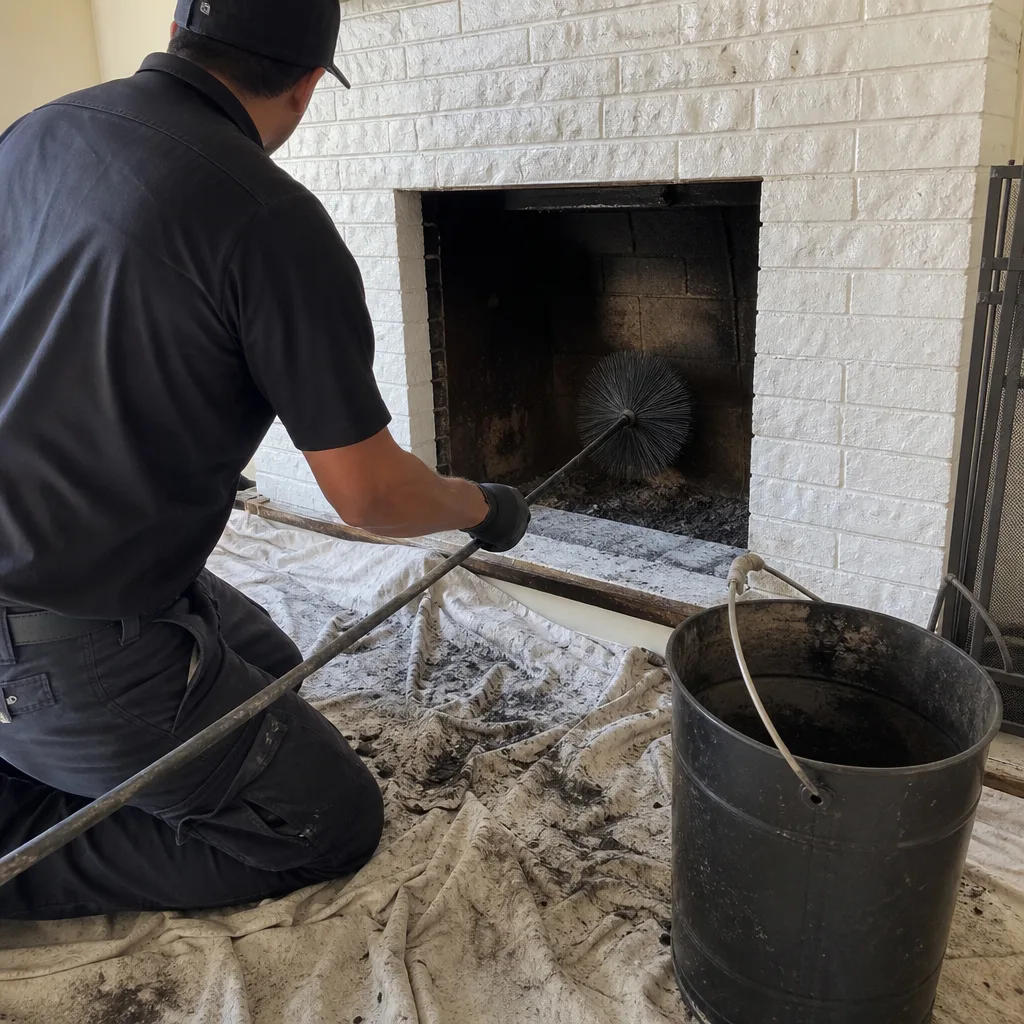
April in Santa Clara: the rainy season is tapering, the last fire was six weeks ago, and the chimney is already out of mind. This is when the most preventable long-term damage occurs.
Spring tasks address what winter used and what summer will exploit. We structure them as a three-part inspection, often combined with the annual sweep if you deferred from fall:
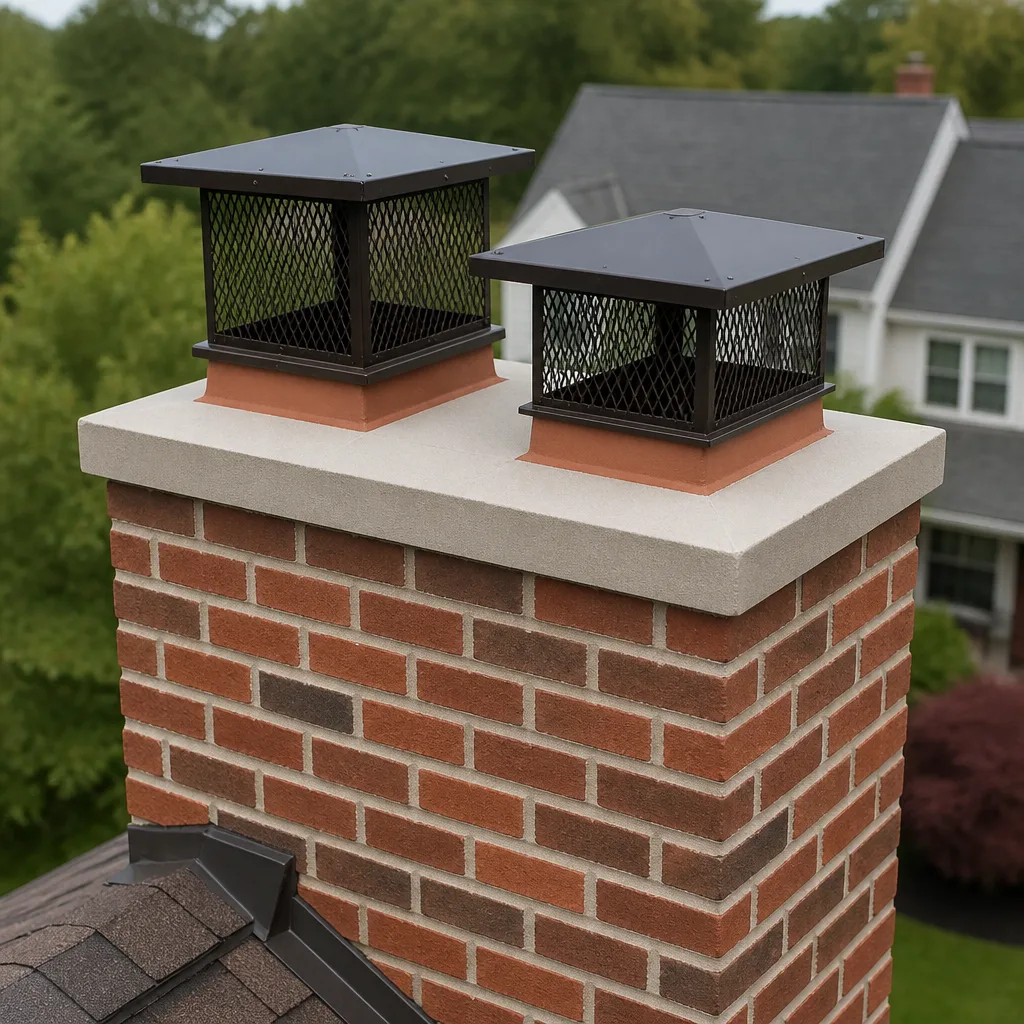
- Cap and crown integrity after winter stress: Santa Clara’s winter rain pattern - concentrated in December through March, with freeze-thaw cycles rare but real in January - tests crown sealant and cap attachment. We look for crown cracks that channel water into the flue, cap mesh corrosion from salt air, and fastener loosening from thermal cycling. Gelco and Famco caps, properly specified, withstand this; improperly installed generic caps often fail at the seam.
- Damper function and lubrication: A damper left closed all summer seizes in place. A damper left open admits humidity and animals. We exercise, clean, and lubricate the mechanism, then document its position and condition. For throat dampers in pre-1990 Santa Clara homes, we note conversion candidates to top-sealing dampers that stop heat loss when the fireplace isn’t in use.
- Moisture intrusion assessment: After the rainy season ends, we inspect for efflorescence (white mineral deposits indicating water passage through masonry), spalling brick, and deteriorated mortar. These are progressive conditions. Caught in April, they’re often repairable with crown sealant, tuckpointing, or flashing correction. Left until October, the same conditions require rebuilds.
The spring inspection also captures baseline documentation. Clause 4 of the Haven Standard requires a photo record on every job - in spring, this gives you a dated condition reference before summer dormancy begins. Compare your April and October records, and you know exactly what changed.
For homes in Santa Clara’s older neighborhoods - the bungalows near Washington Street, the ranch homes north of El Camino - spring is also the right window for liner evaluation if you’ve been deferring replacement. HeatShield cerfractory flue sealant, applied during dry weather, cures properly and is tested before fall use.
Earthquake Season: The Unscheduled Inspection You Can’t Calendar
Santa Clara sits on the Hayward Fault trace and the broader San Andreas system. Seismic events below the threshold of news coverage - magnitude 2.5 to 4.0 - occur monthly. Each one is a potential liner integrity event.
Clay tile liners, still present in most Santa Clara homes built before 1990, are brittle. A liner that was intact in October can show hairline cracks or displaced joints after a January tremor. The danger: these cracks allow combustion gases and sparks to reach combustible framing, and they’re invisible from the firebox. Only a camera scan reveals them.
Our protocol: any earthquake you feel, or any significant aftershock sequence reported by USGS for the Santa Clara Valley, triggers an unscheduled liner check. This is not a full sweep. We camera the flue, inspect for displacement or cracking, and document findings. If the liner is compromised, we quote replacement or relining before the next fire.
We’ve performed post-seismic inspections after the 2014 South Napa event, the 2019 Ridgecrest aftershocks felt here, and dozens of minor local tremors. In approximately 15% of post-seismic inspections on pre-1990 homes, we find new liner damage that wasn’t present in prior documentation. That percentage justifies the check.
Insurance implications vary. Some carriers require documented post-seismic inspection for continued coverage of chimney-related claims. Our photo record, stamped and dated, satisfies most requirements. For regulatory background, see Chimney Cleaning Permits, Codes & Inspections in CA: What You Need to Know.
This is independent of your annual calendar. A chimney swept in October, undamaged, with light use, still needs this check after seismic activity. The 365-Day Done Right Promise covers our work; it doesn’t prevent earthquakes.
What a Seasonal Inspection Actually Includes in Santa Clara
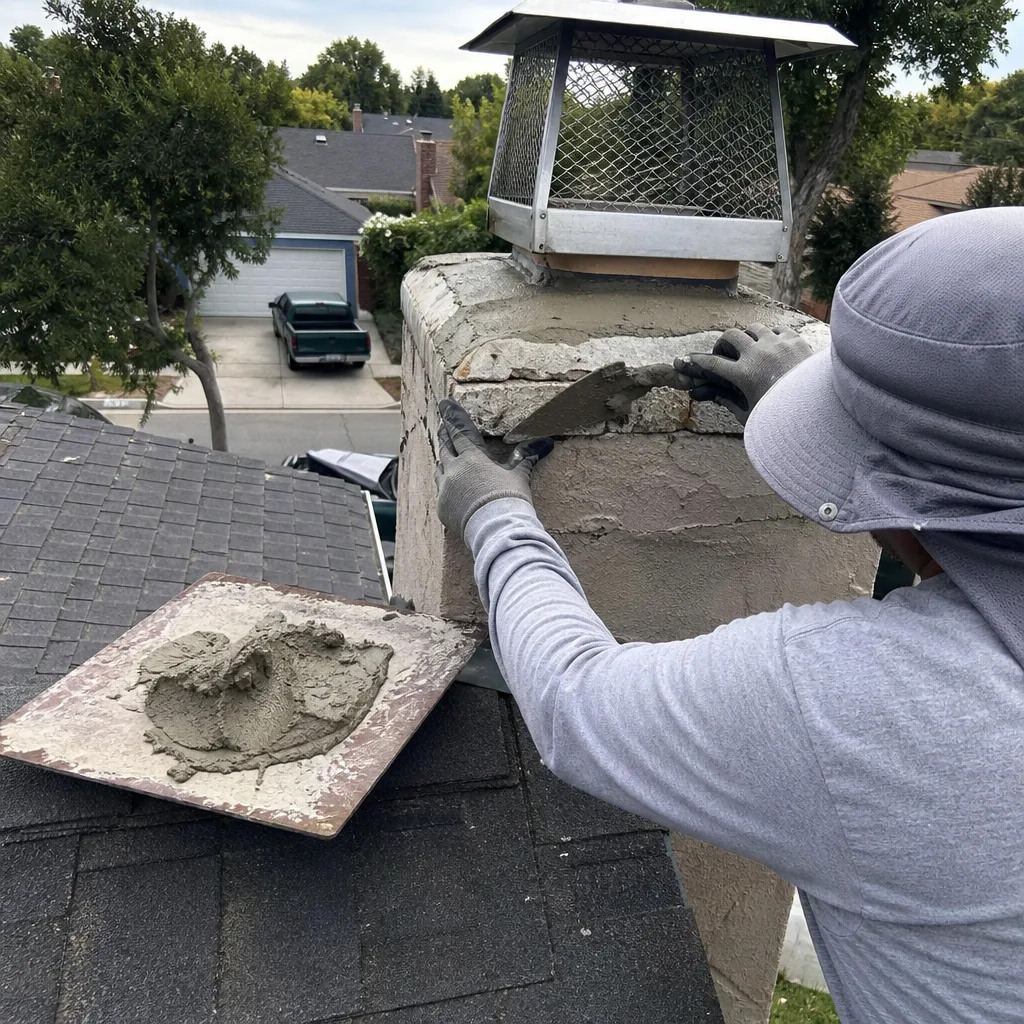
“Chimney sweep” means different things from different providers. In Santa Clara, where most flues are 6 to 8 inches in diameter and many are offset (have bends between firebox and termination), the method matters as much as the label.
Our Chimney Cleaning & Sweep in Santa Clara follows this sequence on every seasonal visit:
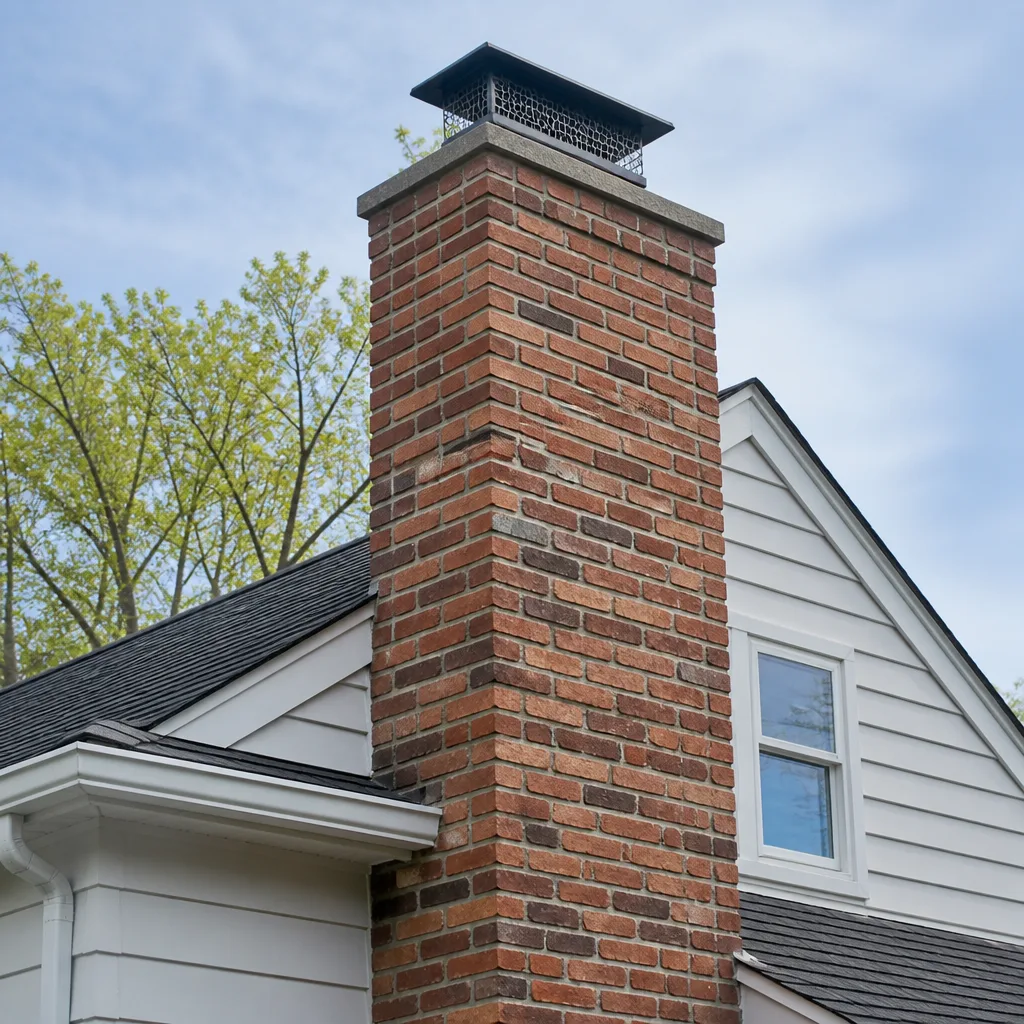
- Exterior assessment: Cap, crown, flashing, brick condition, and clearance to combustibles (vegetation, adjacent structures). We photograph from ground level and roof level.
- Firebox and smoke chamber: Refractory panel condition, grate placement, damper operation, and smoke chamber parging integrity.
- Camera scan (NFPA 211 Level 2): Full-length visual documentation of the flue liner, from smoke chamber to termination. We mark footage by distance and note any anomaly with timestamp.
- Creosote classification and removal: Rotary chain for Class II, chemical treatment plus rotary for Class III, standard brushes for Class I. We collect debris and remove it from site.
- Written condition report: Photos, footage reference, findings, and - if repair is needed - a written price before any further work begins. Haven Standard Clause 1: Have it in writing.
The documented photo record is not an add-on. It’s Clause 4 of the Haven Standard, included on every visit since 2009. You receive it by email or text, your choice, with archive access for future comparison.
For Chimney Repair in Santa Clara needs identified during inspection, we quote using materials from our Haven buying network: DuraFlex liners, HeatShield sealant, Gelco and Famco caps, Olympia Chimney components. No substitution after quote without your written approval.
Santa Clara Chimney Sweep Costs and Timing
We name prices on the page. For detailed cost factors, see our Chimney Cleaning Cost Breakdown: The Santa Clara Homeowner’s Reference for 2026. In Santa Clara’s market, chimney sweep and inspection costs typically fall in these ranges:
| Service | Price Range | Typical Duration |
|---|---|---|
| Standard sweep with Level 2 camera inspection | $189 - $289 | 60 - 90 minutes |
| Class II creosote removal (rotary chain) | $289 - $389 | 90 - 120 minutes |
| Class III glazed creosote treatment and removal | $389 - $549 | 2 - 3 hours, may require return visit |
| Post-seismic liner check (camera only, no sweep) | $149 - $199 | 30 - 45 minutes |
| Cap replacement (standard Gelco/Famco) | $289 - $449 installed | 45 - 60 minutes |
| Damper repair or conversion | $189 - $349 | 45 - 60 minutes |
These are ranges, not quotes. Your exact price is written and delivered before work starts - Haven Standard Clause 1, no exceptions. Estimates are free. A Free Second Opinion on any competitor’s written estimate is always available; bring us their paperwork.
Timing: October bookings in Santa Clara typically fill 2-3 weeks ahead. February mid-season checks usually schedule within 3-5 days. Post-seismic checks are prioritized same- or next-day.
Our Fireplace Services in Santa Clara include gas fireplace inspection and repair, which follows a separate seasonal calendar - pre-season burner and valve check recommended in September, before first use.
Common Mistakes to Avoid
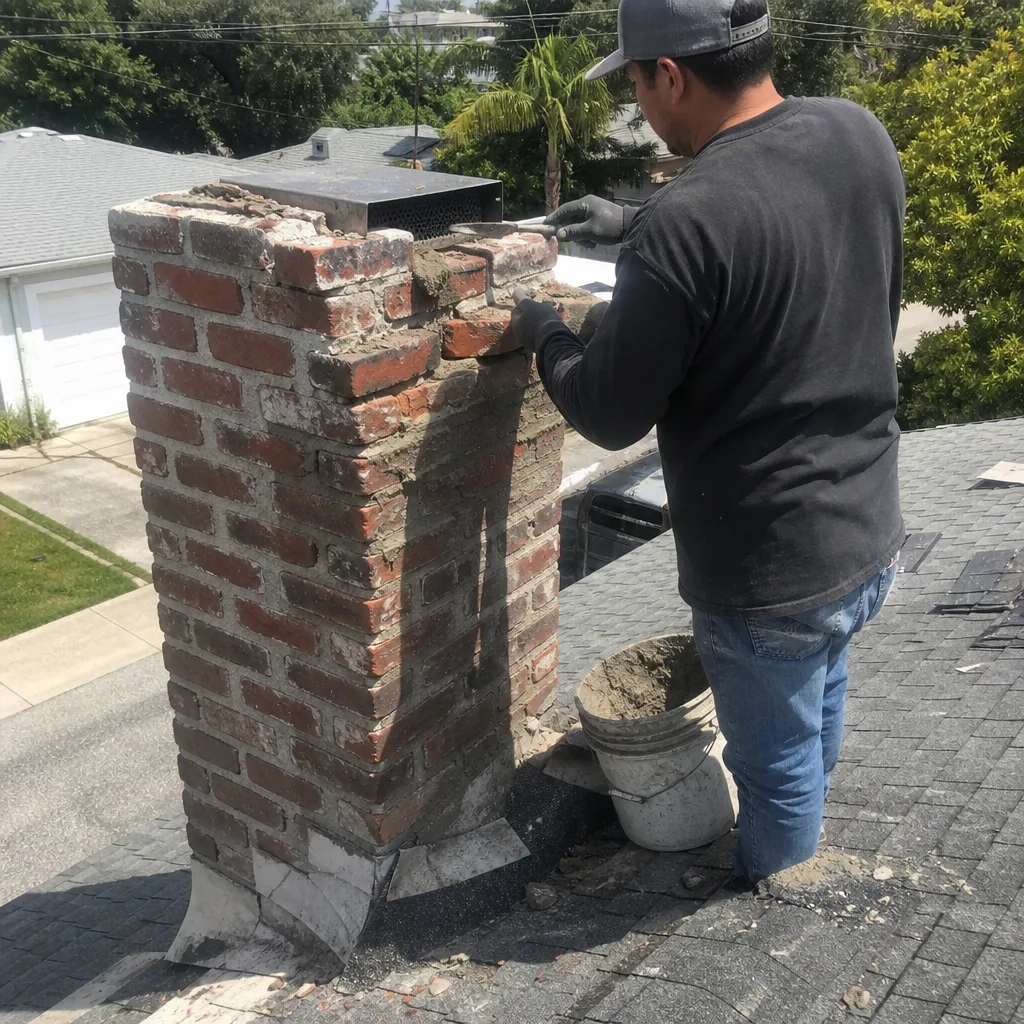
- Sweeping in September for a November first fire. The six-week gap in Santa Clara’s animal-active, moisture-prone October exposes a clean flue to new contamination. Schedule for late October unless you have specific accelerated creosote risk.
- Assuming “I barely use it” means low risk. Infrequent, low-heat fires produce denser, more adhesive creosote than frequent hot fires. A Santa Clara chimney with 20 holiday fires can carry more hazard than a Minnesota chimney with 100.
- Skipping the camera scan to save money. Flashlight inspections miss liner cracks, offset joint separation, and upper-flue animal blockages. The camera is the inspection; brushing without it is incomplete.
- Ignoring earthquake tremors below magnitude 4.0. Liner damage occurs at forces you may sleep through. Any felt tremor, or significant aftershock sequence in the valley, warrants a camera check.
- Deferring spring cap and crown inspection. Winter damage left unrepaired through summer allows moisture intrusion that accelerates masonry deterioration. April repair is prevention; October repair is often reconstruction.
- Using unverified “chimney cleaning logs” as primary maintenance. These products may reduce light soot but do not remove Class II or III creosote and provide no inspection function. They’re a supplement, not a substitute.
- Failing to verify technician credentials. In Santa Clara, always confirm CSLB licensure, request license number display, and ensure background-checked, uniformed technicians with named assignment and arrival text. These are H.A.V.E.N. protocol elements: Verified crews, Arrive on schedule.
When to Call a Professional
Call before the first fire of season if you have no documentation from the prior spring. Call mid-season if you’ve burned more than 15 fires or detect any smoke rollout, persistent odor, or visible shiny deposits. Call immediately after any felt earthquake. Call if your cap is visibly damaged, if you hear animal activity, or if you purchased the home without prior chimney documentation.
Level Two Chimney Santa Clara offers free estimates in Santa Clara - call (650) 229-6358. Calls are answered by a live person, 24 hours a day, 7 days a week. We assign a named, background-checked, uniformed technician, send a text when they’re en route, and deliver a written price before any work starts. Every job includes a documented photo record under Haven Standard Clause 4 and is backed by the 365-Day Done Right Promise.
Frequently Asked Questions
A standard chimney sweep with NFPA 211 Level 2 camera inspection in Santa Clara typically costs $189 to $289. Class II creosote removal runs $289 to $389, and Class III glazed creosote treatment ranges from $389 to $549. Your exact price is written and delivered before work begins - call (650) 229-6358 for a free estimate.
For typical Santa Clara use - under 25 fires per year - schedule a full sweep and inspection before the first fire of season, ideally in late October. If you burn more than 15 fires, add a mid-season camera check in February. After any felt earthquake, schedule an unscheduled liner integrity inspection regardless of calendar. Call (650) 229-6358 to book your pre-season appointment.
We don’t recommend liner replacement without camera evidence you can see yourself. If the inspection shows cracked or displaced clay tile, corroded stainless steel, or gaps at joints, we’ll show you the footage with distance markers and explain the hazard: combustion gases and sparks reaching combustible framing. If the liner is sound but showing wear, we’ll document baseline condition and recommend monitoring interval. Nothing is sold on speculation. Call (650) 229-6358 for a free second opinion on any competitor’s written estimate.
The two documented risks are chimney fire and carbon monoxide intrusion. Class II and III creosote ignites at approximately 451°F - easily reached in a low-draft Santa Clara fire - and burns at temperatures exceeding 2,000°F, damaging liners and spreading to framing. Cracked or gapped liners allow CO, an odorless, colorless gas, to enter living space. Both conditions develop silently; neither gives reliable warning before becoming critical. The cost of prevention is a fraction of the cost of remediation or tragedy. Call (650) 229-6358 for an exact quote - estimates are free.
Santa Clara’s compressed burning season, marine-layer humidity, and seismic activity create a unique risk profile. Low-heat fires in cool flues produce denser creosote. Summer dormancy allows moisture and animal intrusion. Earthquakes damage liners without visible exterior signs. These factors mean the generic “clean before winter” advice is incomplete for local conditions. Our calendar addresses each Santa Clara-specific risk with timed inspection and documentation. Explore more guides & resources for year-round chimney care.
A Level 1 inspection is a visual assessment of accessible portions - firebox, damper, exterior - without specialized equipment. A Level 2 inspection, required by NFPA 211 for property transfers, after chimney fires, or after seismic events, includes a camera scan of the full flue length, attic and crawl space access where safe, and documentation of liner condition. Level Two Chimney Santa Clara performs Level 2 as standard on every visit, not as an upgrade, because a flashlight inspection misses what most often causes failure.
The Bottom Line
Santa Clara’s chimney calendar runs on climate reality, not generic advice. Late October pre-season service captures post-dormancy condition close to first use. February mid-season checks catch creosote from low-heat fires before it compounds. April post-rainy-season inspection prevents summer moisture damage. And any earthquake, any season, triggers an immediate liner check. The common thread: camera documentation, written price before work, and a record you can compare year to year. That’s been our practice since 2009, codified as the Haven Standard, applied to every one of the 38,000+ chimneys we’ve serviced.
Ready to schedule your seasonal inspection? Call Level Two Chimney Santa Clara at (650) 229-6358 for a free estimate. Live person answering, 24/7. Written price before any work starts. Camera scan and documented photo record included on every visit.
Written by Corrine Halstead, Owner at Level Two Chimney Santa Clara, serving Santa Clara since 2009.