
Last updated September 22, 2026
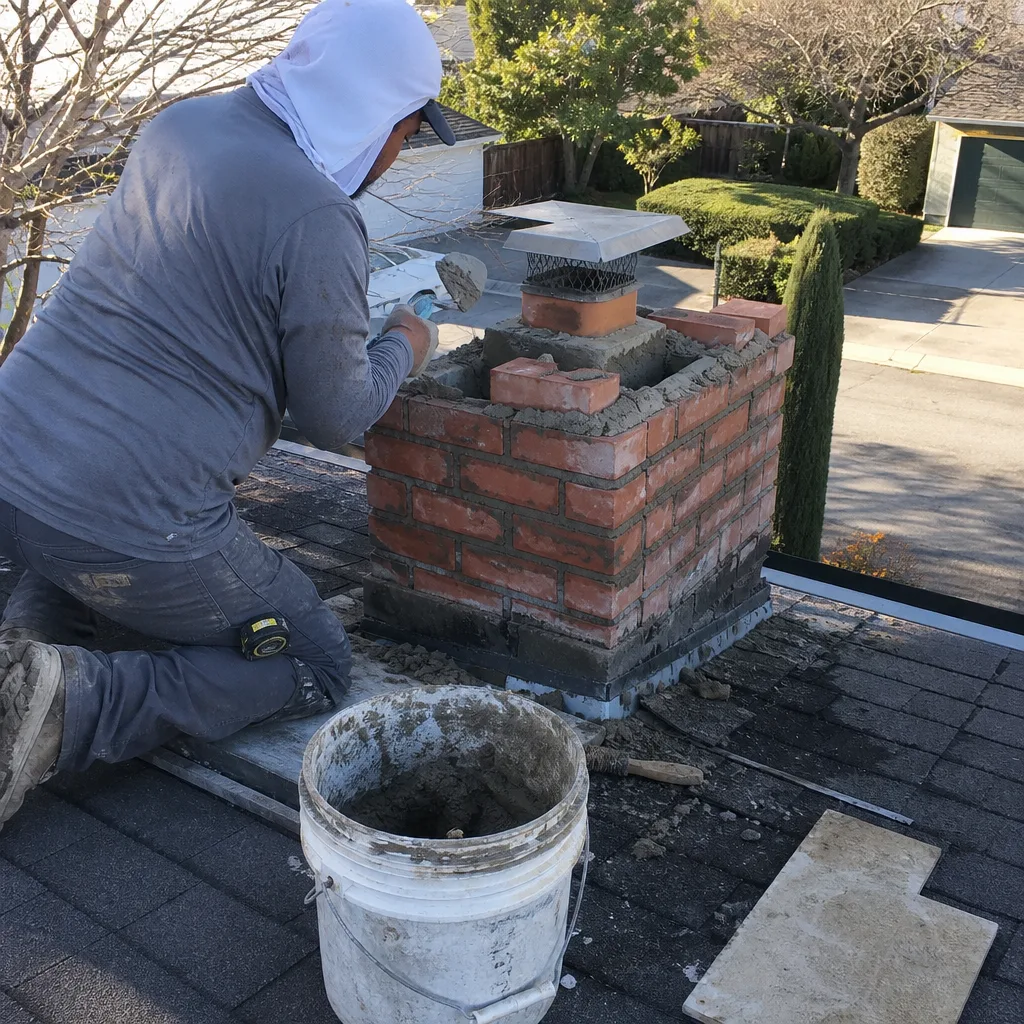
Level 1 sweep and inspection to the NFPA 211 annual standard - flue, crown, cap, and flashing checked and photographed
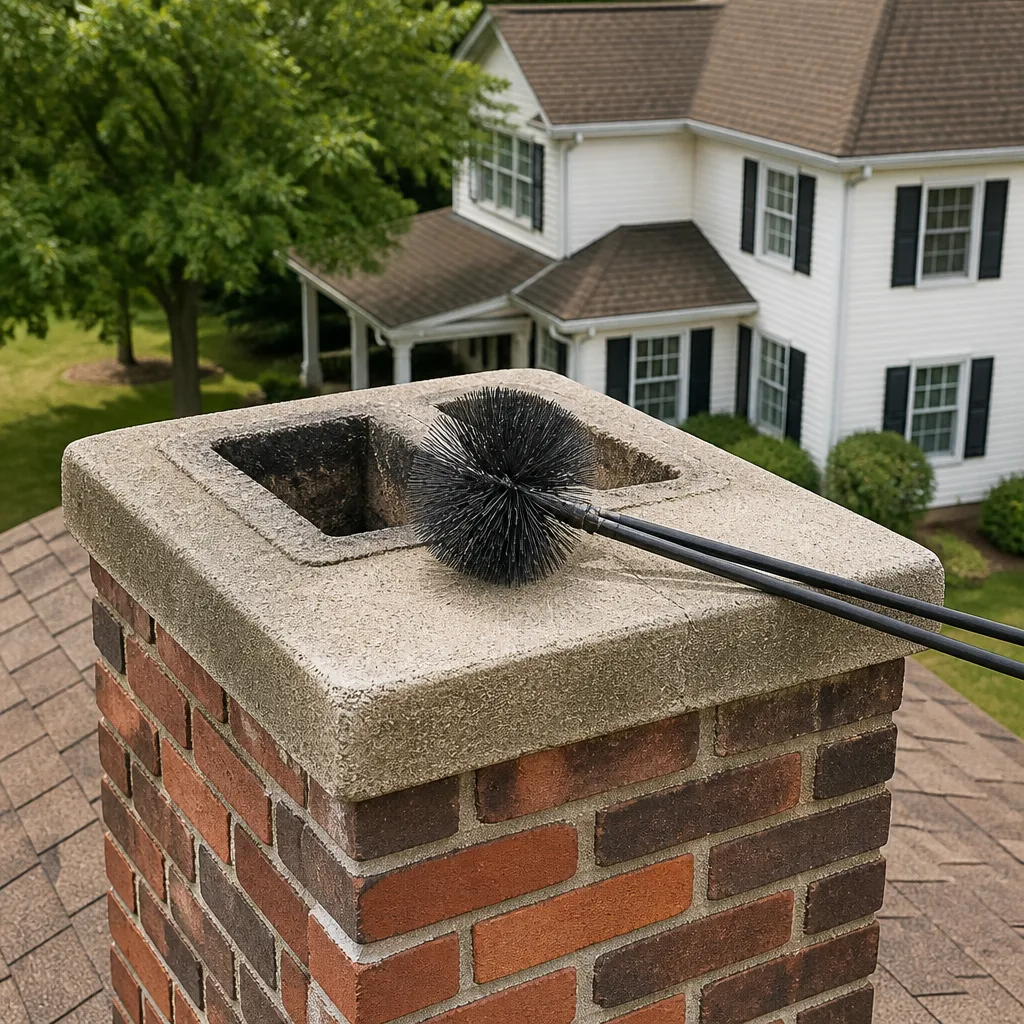
Chimney sweep logs do not sweep chimneys. They loosen some creosote - which then falls where a brush and vacuum still have to collect it.
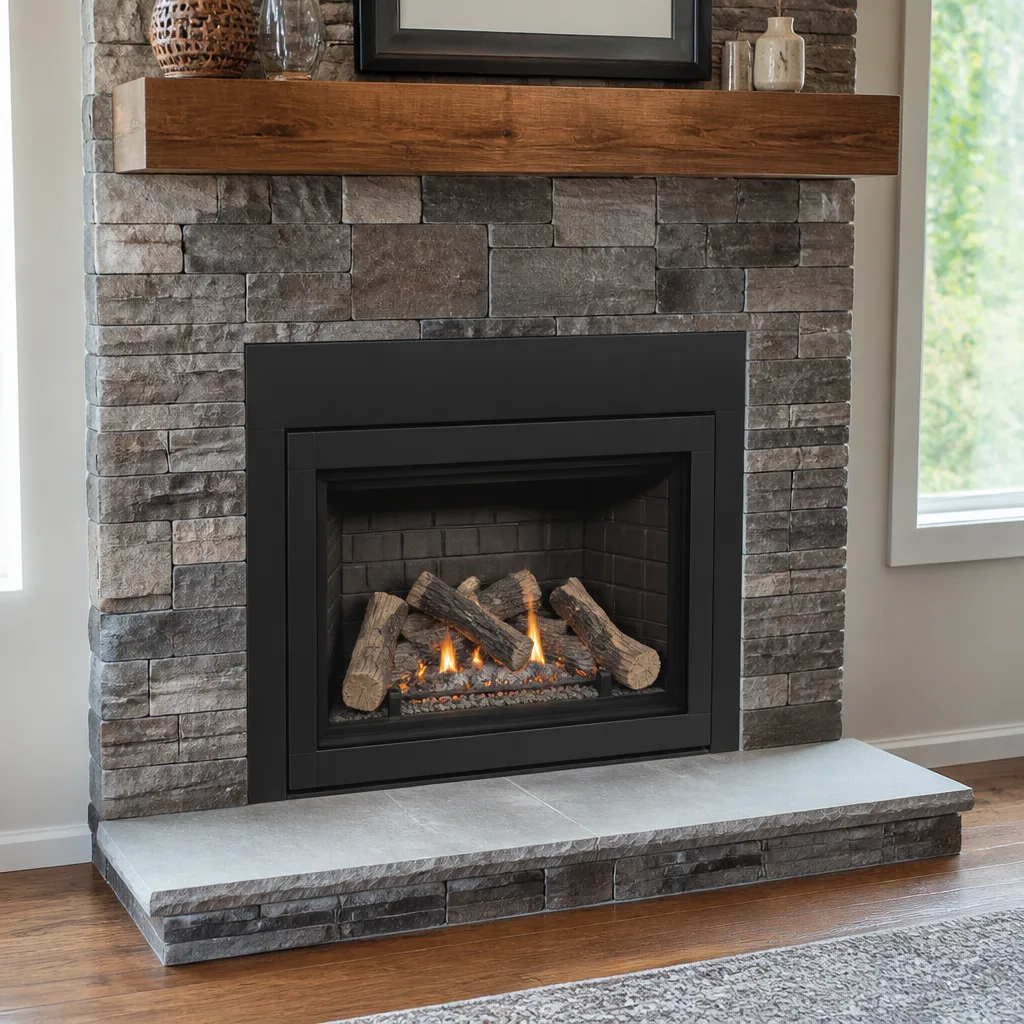
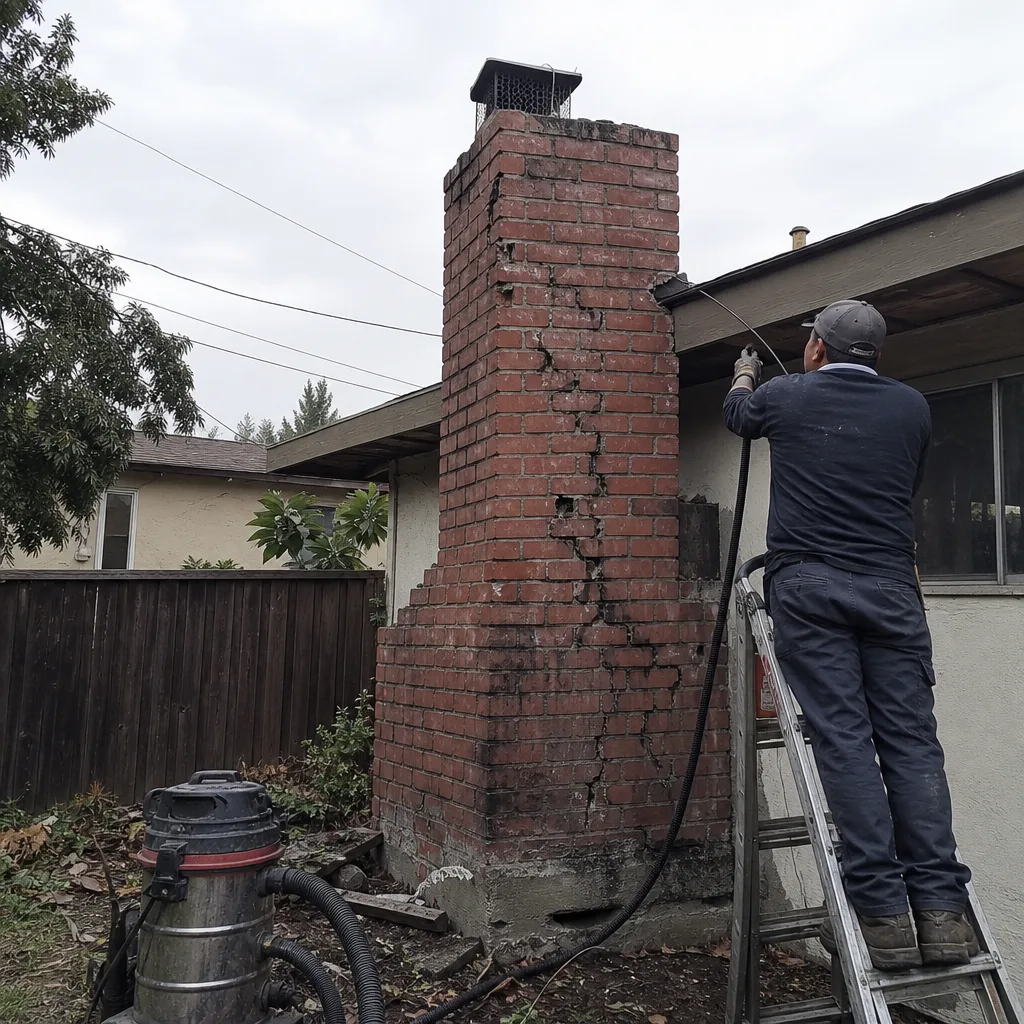 Before
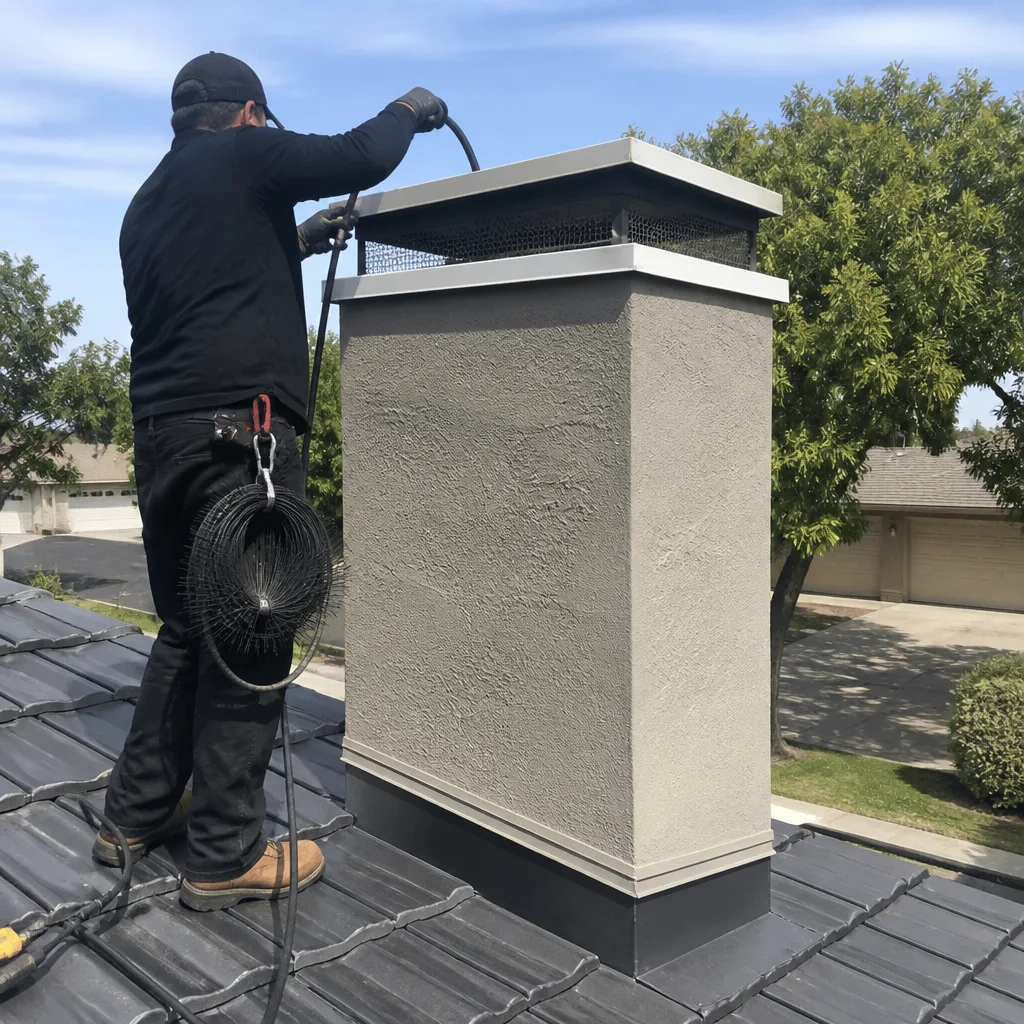 After
After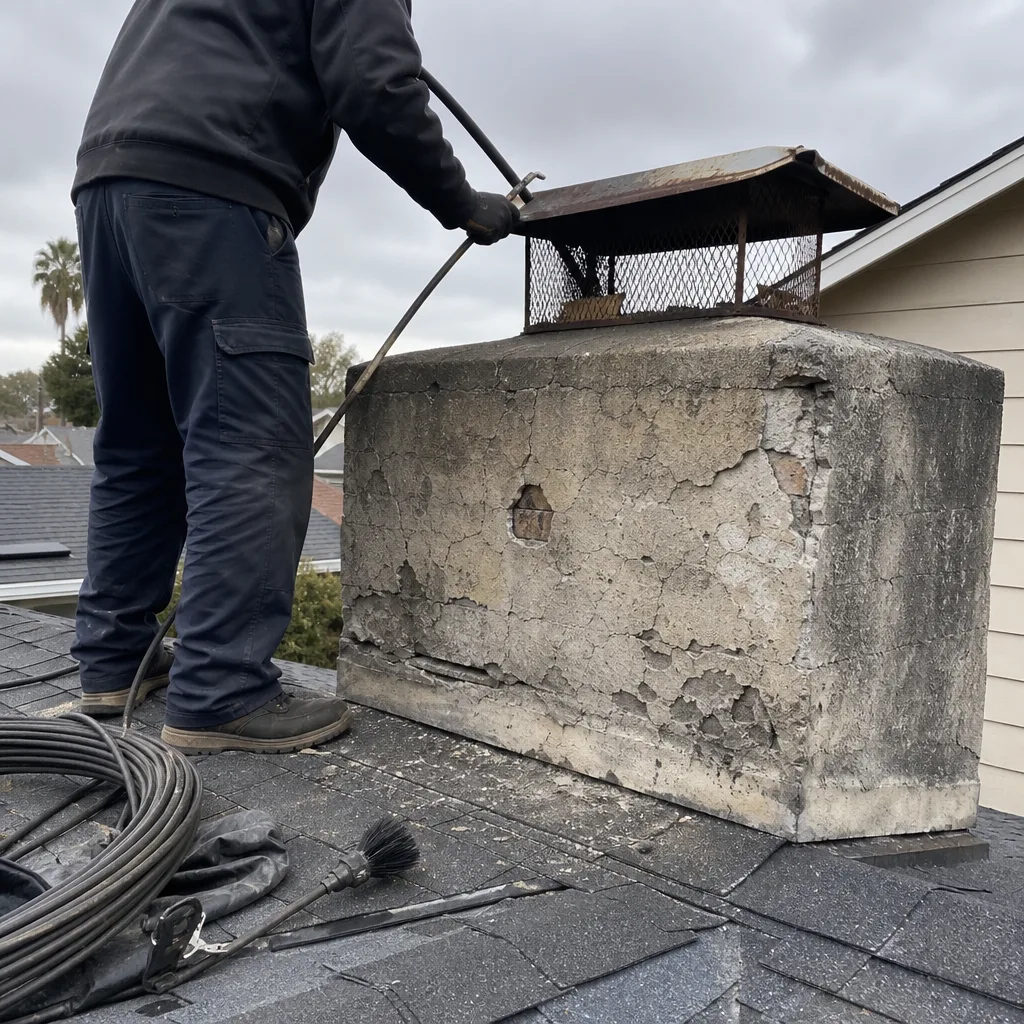 Before
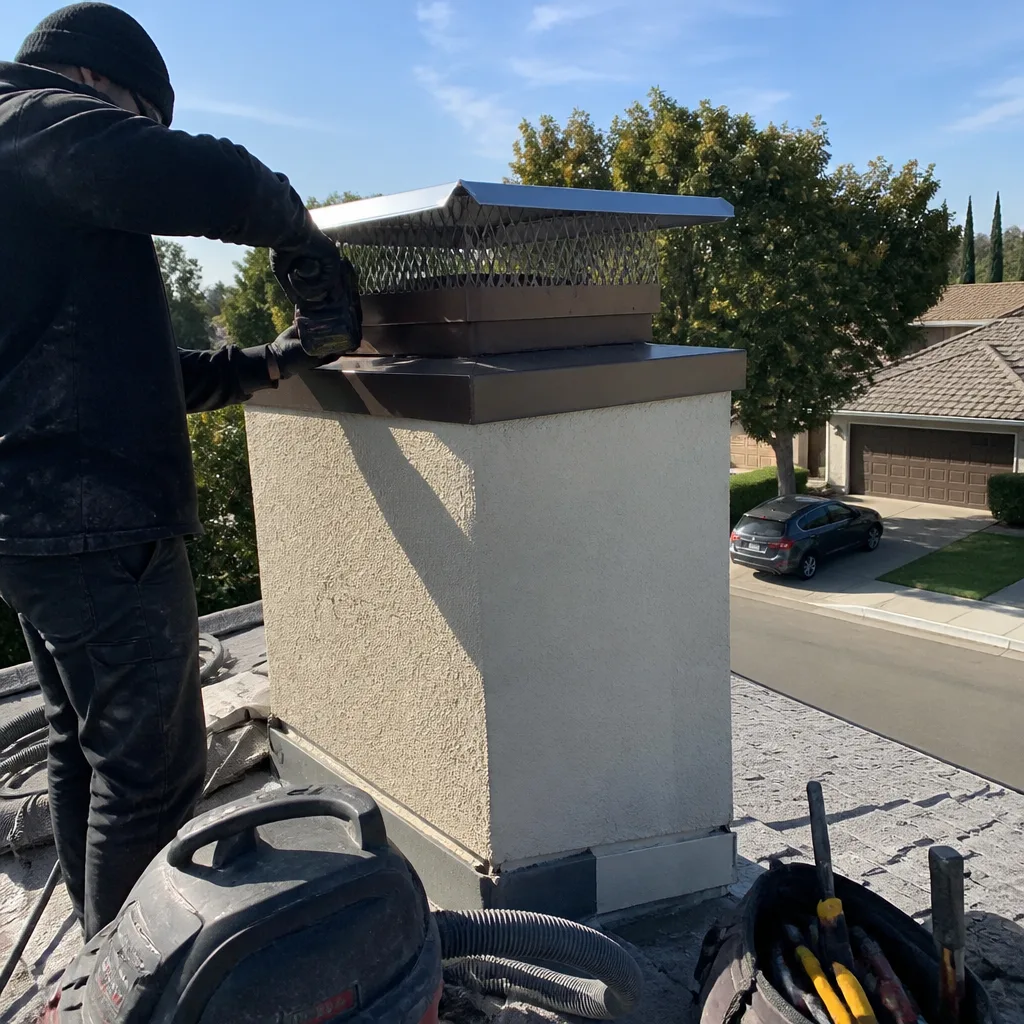 After
After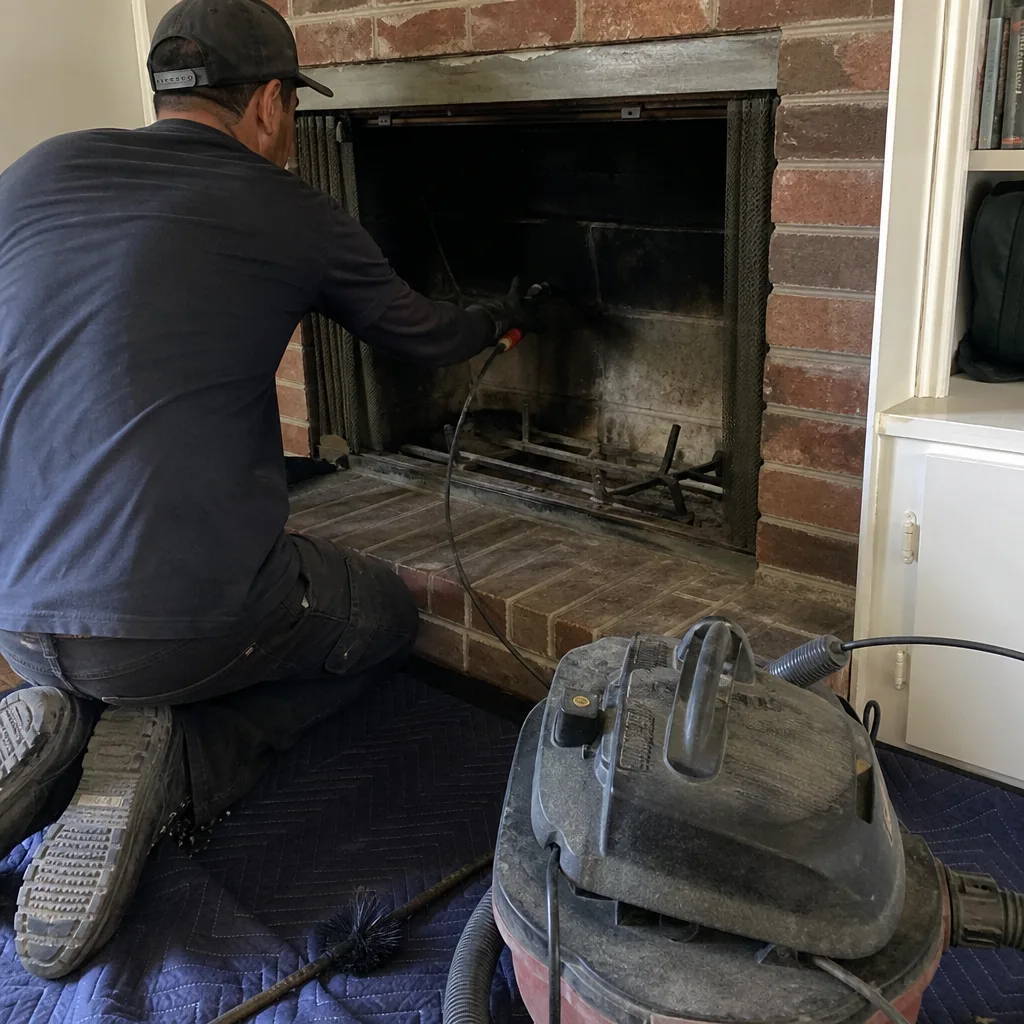 Before
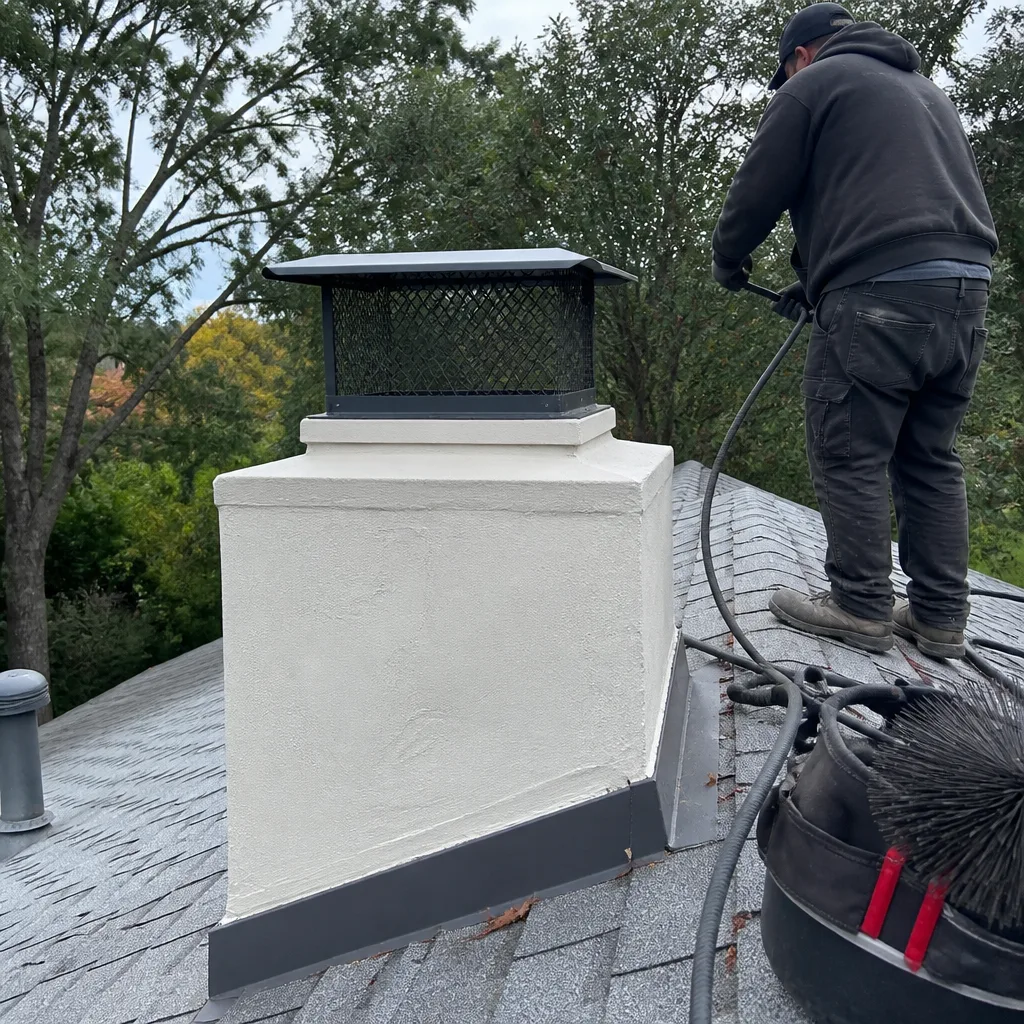 After
AfterChimney Cleaning & Sweep Maintenance Checklist for Santa Clara Homeowners
The Chimney Safety Institute of America publishes a seven-item homeowner checklist. In Santa Clara, our Level 2 inspection cameras routinely surface defects that appear on none of those seven items: spalling terra cotta from marine-layer freeze-thaw, mortar erosion at the smoke chamber caused by acidic condensation, and liner offsets from minor seismic movement along the Hayward fault trace. This guide replaces the generic national template with a Santa Clara-calibrated maintenance checklist tied to actual inspection findings, not manufacturer copy. For related reading, see our Complete Guide to Chimney Cleaning in Santa Clara.
Quick Answer
A proper chimney maintenance checklist for Santa Clara homeowners includes four seasonal inspections, five visual checks you can perform from the firebox, and one documentation log that records camera findings for insurers and future buyers. The Bay Area’s intermittent burning season, marine-layer moisture, and earthquake exposure create failure points no national template addresses.
Table of Contents
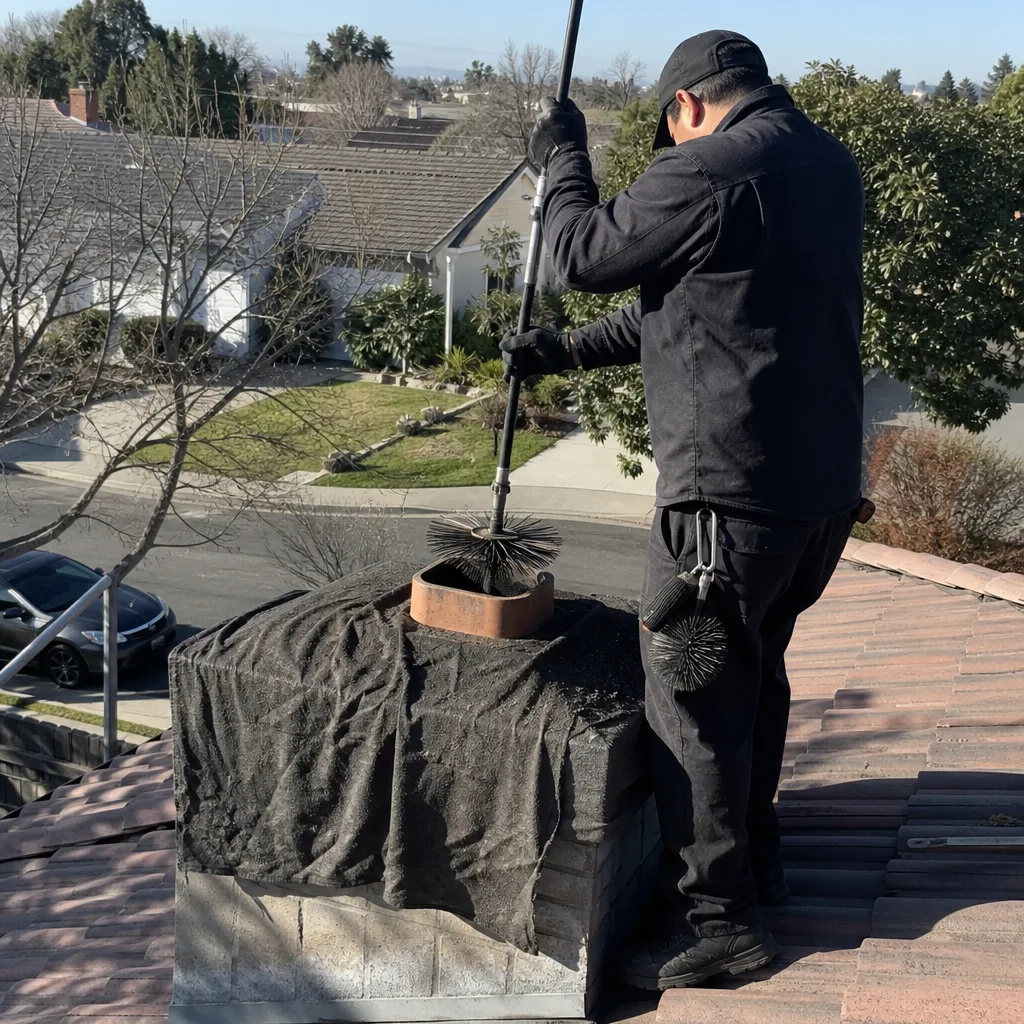
- Why Generic Checklists Fail in Santa Clara
- The Santa Clara Season-by-Season Checklist
- What You Can See from the Firebox (and Where Your Visibility Ends)
- Seismic Maintenance: What Fault Movement Does to Your Chimney
- Damper Function vs. Damper Seal: Two Different Inspections
- Building a Documentation Log That Matters to Insurers and Buyers
- What Chimney Maintenance Costs in Santa Clara
- Common Mistakes to Avoid
- When to Call a Professional
- Frequently Asked Questions
- The Bottom Line
 Before
 After
AfterWhy Generic Checklists Fail in Santa Clara
National chimney checklists assume a consistent heating season, hard freezes, and stable geology. Santa Clara has none of these. Our burning season runs November through March, but many homeowners light fires only on fifteen to twenty evenings per year. That intermittent use creates a specific problem: moisture from winter marine-layer fog condenses inside cool flues, mixes with residual creosote, and forms acidic compounds that degrade mortar faster than continuous use would.
The 1989 Loma Prieta earthquake and ongoing minor movement along the Hayward and Calaveras faults mean Santa Clara chimneys experience structural stress that midwestern or eastern checklists never account for. We’ve inspected chimneys in the Old Quad neighborhood where liner sections have shifted 3/8-inch at joints, creating gaps that channel heat toward combustible framing. A generic checklist won’t catch this. A Level 2 camera inspection will.
Here’s what Santa Clara’s specific conditions demand:
- Marine-layer moisture management: Post-rain and post-fog inspections for water intrusion, not just annual checks
- Seismic integrity verification: Liner joint alignment and mortar bond inspection every 2-3 years, not “as needed”
- Intermittent-use creosote assessment: Class determination (I, II, or III) that accounts for condensation-accelerated buildup, not just volume
- Earthquake-ready documentation: Photo records that establish pre-event condition for insurance claims
Our Level Two Chimney Santa Clara home page explains how we’ve adapted the NFPA 211 standard to these local conditions since 2009.
The Santa Clara Season-by-Season Checklist
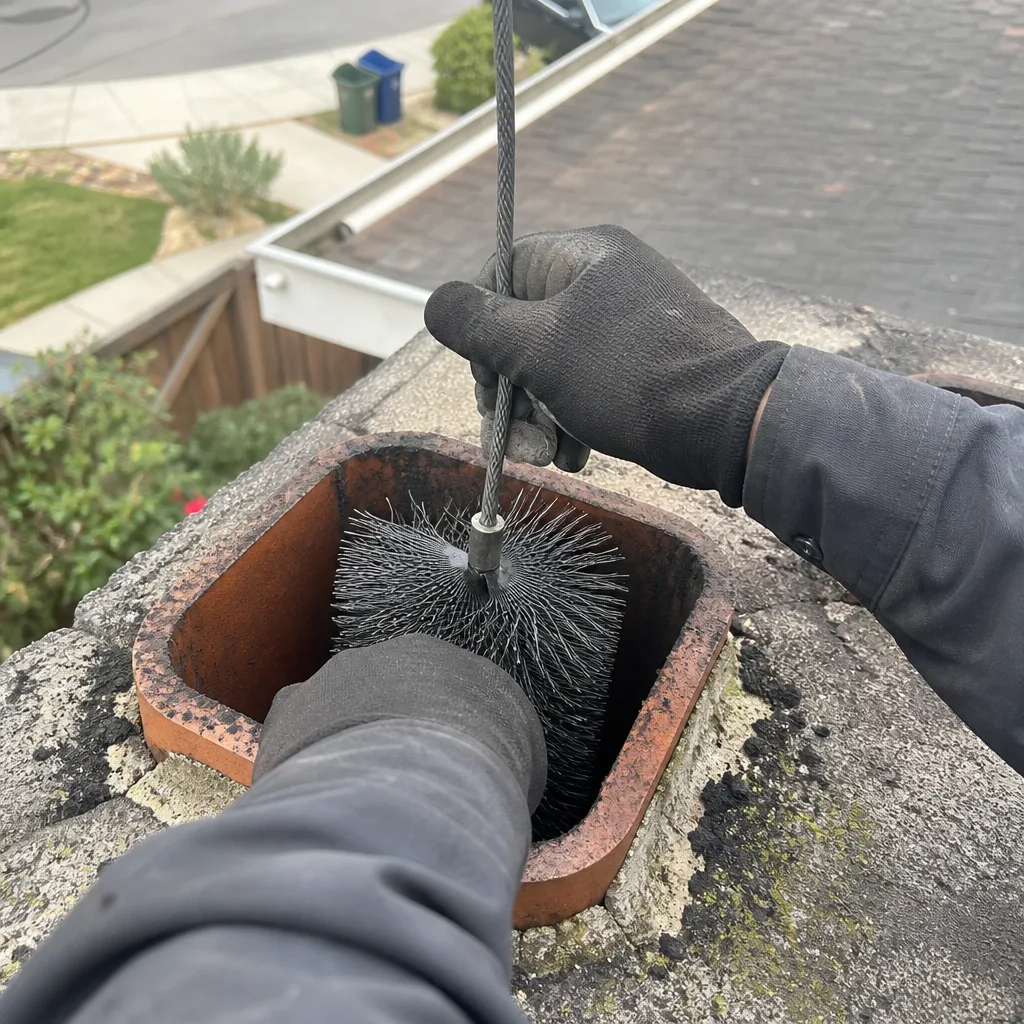
This checklist is calibrated to Santa Clara’s actual climate patterns, not a four-season template from a national publisher.
Pre-Season: October (Before First Fire)
- Visual firebox inspection: Check for cracked firebrick, deteriorated mortar joints, and rusted damper hardware. Look up the flue for obstructions: bird nests are common in Santa Clara’s tree-canopied neighborhoods like Rivermark and the area near Central Park.
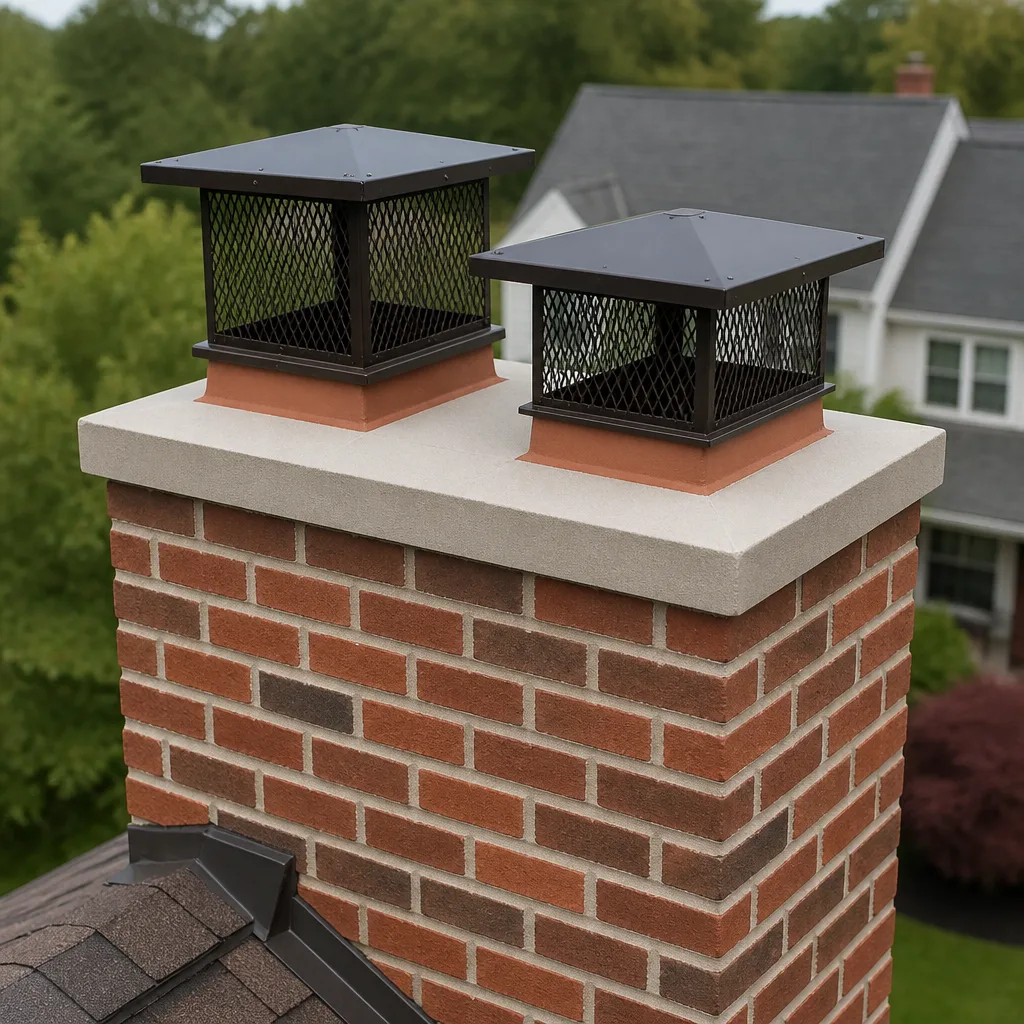
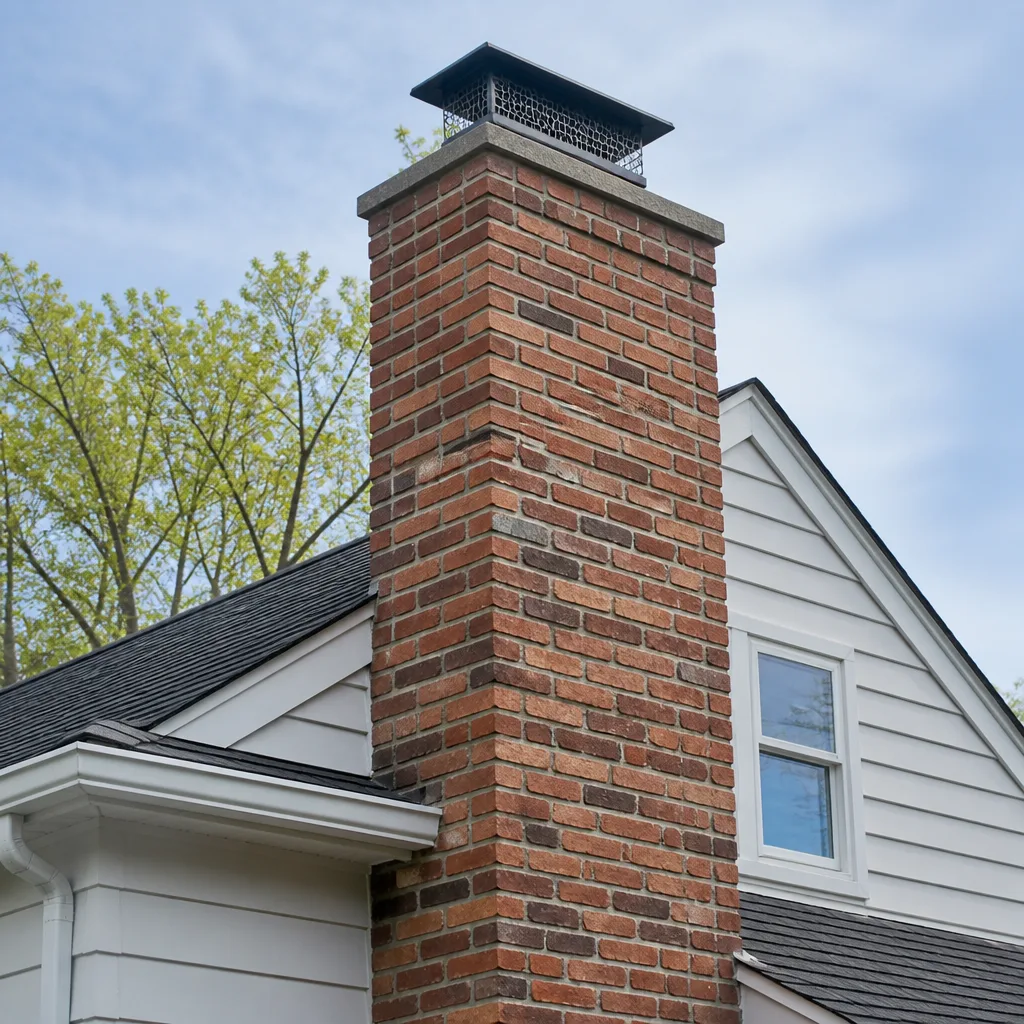
- Exterior crown and cap check: From ground level or a stable ladder, look for cracks in the concrete crown, missing cap sections, or gaps where flashing meets the chimney. Marine-layer moisture enters through these openings and accelerates freeze-thaw damage during our occasional below-32°F nights.
- Schedule Level 2 inspection and sweep: NFPA 211 recommends annual inspection; in Santa Clara, we add a camera scan specifically for liner offset and spalling assessment. Chimney Cleaning & Sweep in Santa Clara covers what’s included in our pre-season service.
Mid-Season: January (After 10+ Fires)
- Smoke behavior observation: Smoke should rise cleanly. Any spillage into the room indicates draft problems, partial flue blockage, or competing negative pressure from modern HVAC systems common in Santa Clara’s newer construction.
- Check for exterior staining: White efflorescence on brick indicates moisture migration; dark staining suggests creosote leakage at joints.
- Listen for unusual sounds: Popping or ticking during heating often indicates liner expansion against a damaged section, or debris dislodged by thermal cycling.
Post-Season: April (After Final Fire)
- Close damper fully: Prevents conditioned air escape during Santa Clara’s mild but occasionally warm spring days.
- Install chimney cap screen: If removed for winter, reinstall to prevent spring nesting. Swifts, sparrows, and the occasional raccoon are active in Santa Clara from March through June.
- Document burning hours and fuel type: This log supports warranty claims and helps technicians assess creosote accumulation rates for your specific usage pattern.
Post-Rain: After Significant Storms (Typically December-March)
- Firebox moisture check: Any water in the ash pit or dampness on firebrick indicates crown, cap, or flashing failure requiring immediate attention before next use.
- Attic inspection if accessible: Look for water stains on chimney framing or surrounding insulation. Santa Clara’s combination of occasional heavy rain and marine-layer persistence means slow leaks often manifest in attics before living spaces.
Post-Earthquake: After Any Noticeable Tremor
- Visual exterior assessment: New cracks in stucco surrounding the chimney, shifted cap position, or separated flashing.
- Schedule Level 2 camera inspection: Even minor ground movement can shift liner sections or crack terra cotta. This is non-negotiable for pre-1985 construction in Santa Clara, when seismic chimney codes were less stringent.
What You Can See from the Firebox (and Where Your Visibility Ends)
Homeowners can perform meaningful visual checks without tools. Knowing exactly where your visibility ends prevents false confidence and identifies when professional camera inspection is necessary.
What You Can Confirm Without Equipment
- Damper operation: The damper plate should open fully (parallel to flue) and close completely (perpendicular) without binding. Rust, warping, or missing sections are visible from the firebox opening.
- Firebox integrity: Cracked or spalling firebrick, deteriorated mortar joints, and exposed steel lintels are all visible with normal lighting.
- Flue opening obstruction: Daylight should be visible at the top of the flue. Absence indicates blockage. A flashlight helps but isn’t required.
- Smoke chamber slope: The area above the damper should slope smoothly toward the flue. Major irregularities, exposed corbelling brick, or significant soot accumulation are sometimes visible.
- Animal evidence: Nesting materials, droppings, or insect colonies in the firebox or visible flue section.
Where Your Visibility Ends (Camera Required)
The smoke chamber, which transitions from firebox to flue, angles away from direct view. In Santa Clara homes built 1960-1990, this area often has parged (smoothed) mortar that cracks and exposes corbelling brick, creating creosote accumulation points. You cannot see this without a camera.
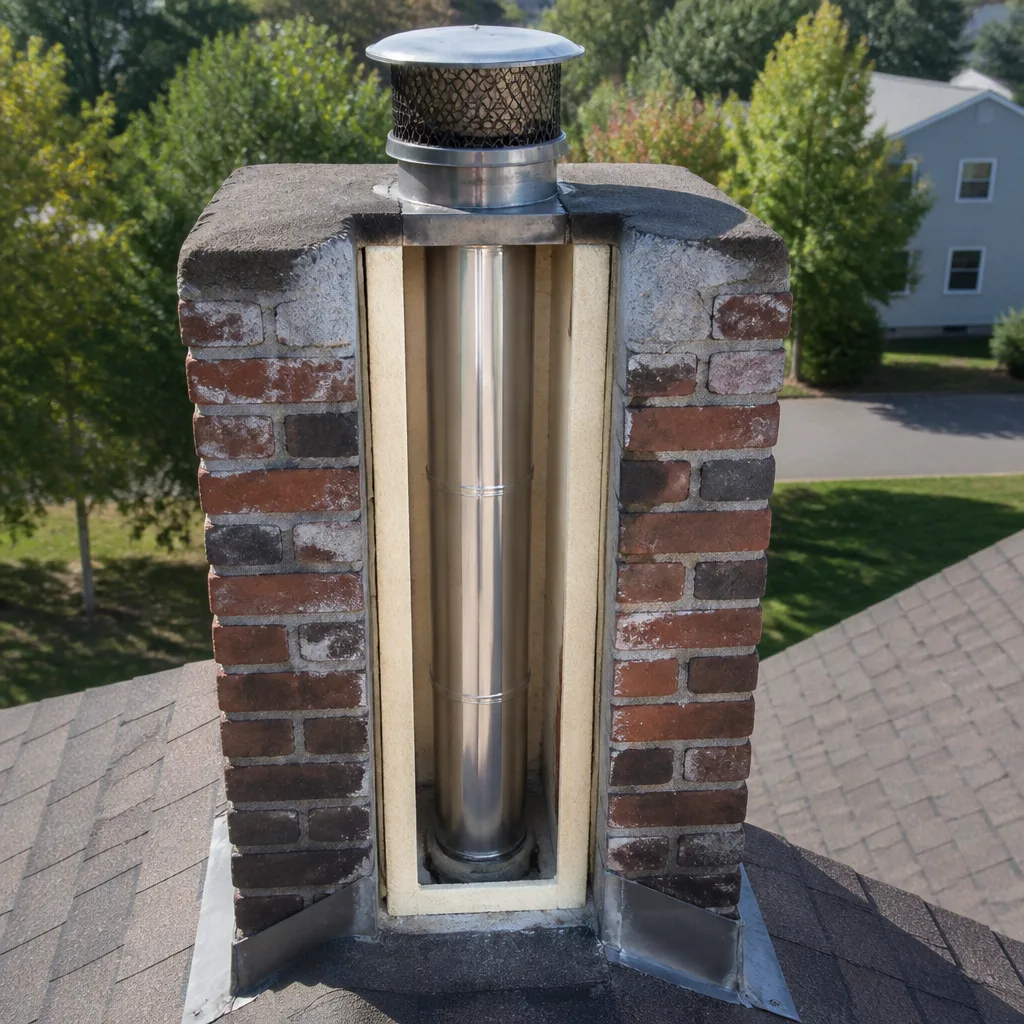
Similarly, the full length of the flue liner, crown underside, and exterior masonry above the roofline require specialized equipment. Terra cotta liner spalling, the condition that most commonly leads to liner replacement recommendations in Santa Clara, begins as interior surface flaking invisible from either end. Only a downward-facing camera documents it accurately.
We’ve completed more than 38,000 chimney inspections and cleanings since 2009. Every one included a documented photo record under Haven Standard Clause 4, because verbal descriptions of unseen conditions are worthless for insurance claims or buyer negotiations.
Seismic Maintenance: What Fault Movement Does to Your Chimney
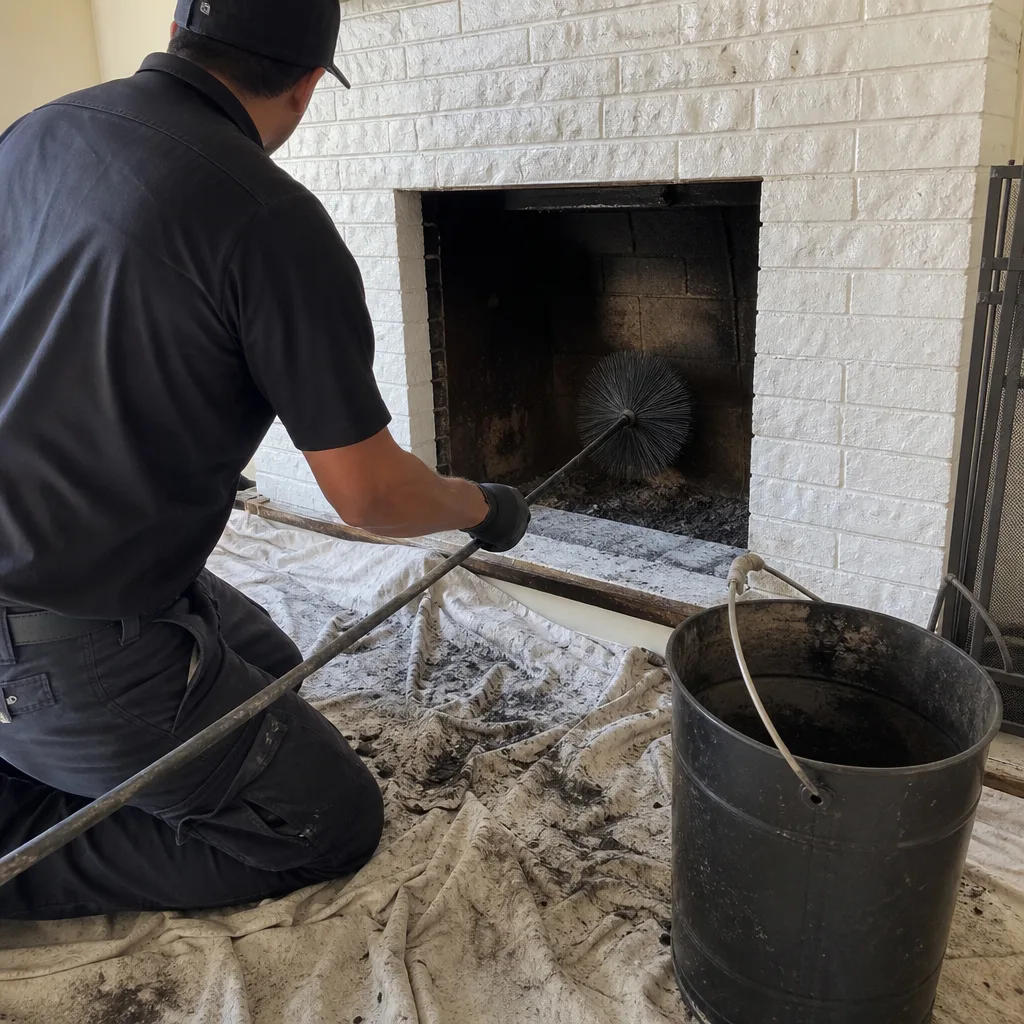
Santa Clara sits within 15 miles of the Hayward fault and 25 miles of the Calaveras fault. Minor seismic movement, often below the threshold residents feel, stresses chimney structures differently than the building frame because chimneys are rigid, vertical, and often poorly tied to surrounding construction.
Specific Seismic Failure Modes in Santa Clara
Liner offset at joints: Terra cotta flue liners are installed in 2-foot sections with refractory mortar joints. Ground acceleration of 0.1-0.2g, common in Santa Clara’s minor tremors, can shift these sections. A 1/4-inch offset creates a gap that channels combustion gases and heat toward combustible framing. We’ve found offsets exceeding 1/2 inch in homes near the fault trace in the Montague and River Oaks areas.
Mortar joint shear: The mortar bonding liner sections to surrounding masonry cracks in tension. This doesn’t always cause immediate failure but reduces the chimney’s structural integrity for subsequent events.
Crown separation: The concrete crown, which sheds water from the chimney top, can crack or separate from the flue liner. Water intrusion follows, accelerating freeze-thaw damage during Santa Clara’s occasional cold snaps.
Recommended Seismic Inspection Frequency
| Home Age | Inspection Frequency | Specific Focus |
|---|---|---|
| Pre-1985 | Every 2 years | Liner joint alignment, mortar bond, chimney-to-frame ties |
| 1985-2010 | Every 3 years | Liner condition, crown integrity, visible crack progression |
| Post-2010 | Every 3-4 years | Baseline documentation, cap and crown condition |
After any earthquake you feel, or any reported local tremor above magnitude 3.0, schedule a Level 2 inspection. The cost of documentation far exceeds the risk of undetected liner failure.
Damper Function vs. Damper Seal: Two Different Inspections
Homeowners often conflate these. They’re separate checks with different tools and different implications.
Damper Function Check (Homeowner-Doable)
Operate the damper through its full range. It should move smoothly from fully closed to fully open without catching, grinding, or requiring excessive force. The plate should sit level when closed and parallel to the flue when open. Common Santa Clara issues we see: rusted pivot pins in homes near the bay where marine-layer moisture enters unused flues; warped plates from over-firing; and missing crank handles in homes with original 1960s-70s hardware.
Damper Seal Integrity Check (Requires Professional Equipment)
A functional damper can still leak significantly. Seal integrity testing uses smoke pencil observation or differential pressure measurement to quantify air leakage. A damper that closes but gaps at the edge leaks conditioned air year-round and admits downdrafts that carry odors and debris.
In Santa Clara’s newer, tighter construction, a leaking damper can account for 5-10% of heating and cooling energy loss. We document seal condition with photos and provide written repair scope when replacement with a top-sealing damper (brands like Gelco) is more cost-effective than refurbishing the original throat damper.
Building a Documentation Log That Matters to Insurers and Buyers
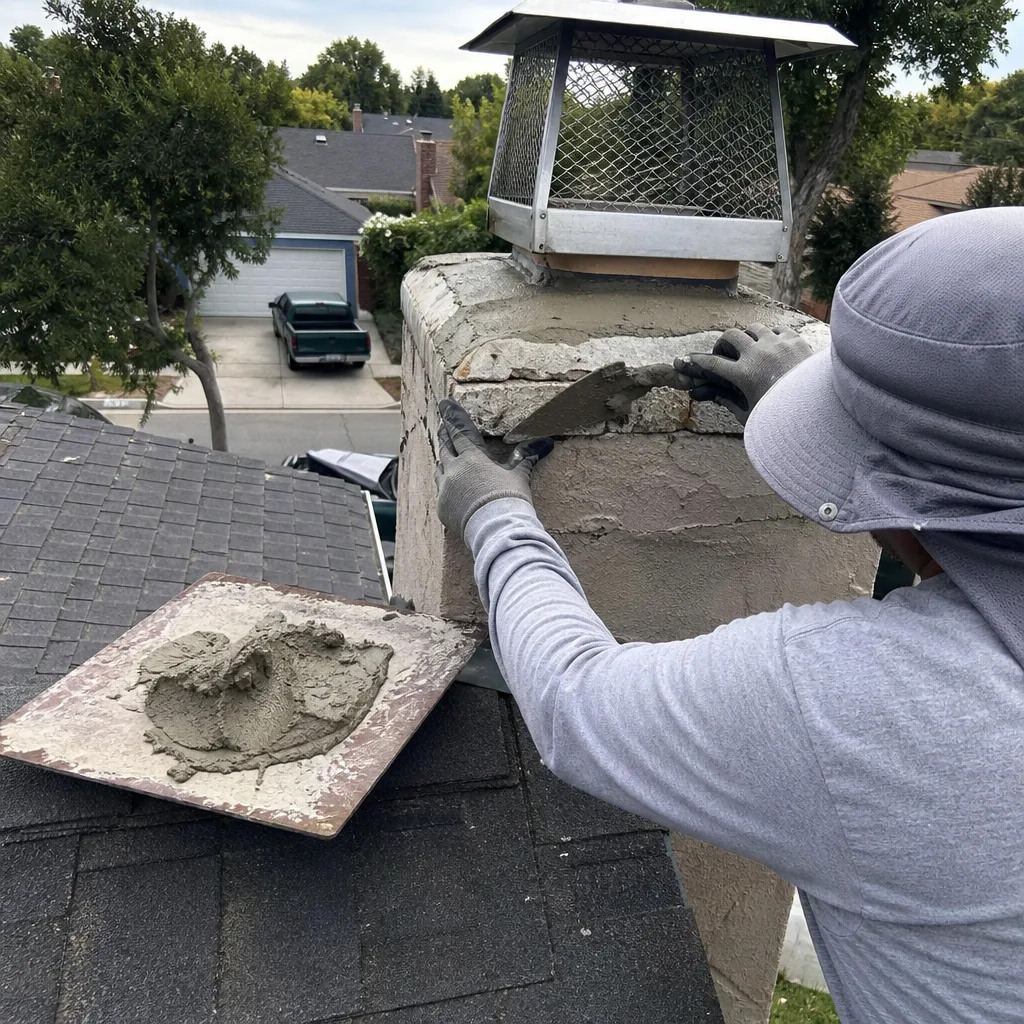
A shoebox of receipts is not a documentation log. What follows is the format we’ve developed through 38,000+ inspections that actually supports insurance claims, warranty enforcement, and real estate transactions in Santa Clara.
Required Entries After Each Professional Visit
- Date and technician name: Not just company name. A named individual creates accountability and chain of custody.
- Service performed: Sweep, Level 1 inspection, Level 2 inspection, repair (with scope), or combination.
- Findings summary: Specific conditions found, not generic “chimney OK.” Example: “Class II glazed creosote, 1/8-inch thickness, flue liner intact, smoke chamber parging 70% intact, crown hairline crack at northeast corner.”
- Photo record reference: Our Haven Standard Clause 4 documentation includes dated, geotagged photos. Your log should reference the file name or cloud location.
- Written price and scope: For any work performed or recommended. This is Clause 1 of the Haven Standard: have it in writing.
- Next recommended service date: Based on fuel type, burning frequency, and condition found.
Insurance and Real Estate Value
After the 2017 Tubbs Fire and subsequent California insurance market contraction, Santa Clara homeowners report increasing scrutiny of chimney documentation during policy renewal. A complete log with photo evidence of liner condition can prevent mandatory repair demands or coverage restrictions.
For sellers, a documented maintenance history with Level 2 inspection reports addresses the most common buyer objection: uncertainty about hidden chimney repair costs. We’ve provided retrospective documentation packages for Santa Clara sellers that helped close transactions without repair credits.
What Chimney Maintenance Costs in Santa Clara
Specific pricing helps you budget and evaluate estimates. These ranges reflect Santa Clara’s market as of 2024-2025, including labor rates and material costs through our Haven buying network.
| Service | Typical Range | What’s Included |
|---|---|---|
| Level 1 inspection (no sweep) | $125 - $195 | Visual inspection of accessible components, written findings |
| Chimney sweep with Level 1 inspection | $225 - $325 | Mechanical cleaning, debris removal, basic visual inspection |
| Level 2 inspection with camera scan | $295 - $425 | Internal camera documentation, photo record, written report |
| Level 2 inspection with sweep | $375 - $495 | Full cleaning plus camera inspection and documentation |
| Damper repair/replacement | $350 - $850 | Throat damper refurbish or top-sealing damper installation |
| Crown repair (minor crack sealing) | $275 - $550 | Crack routing, sealant application, water testing |
| Crown rebuild | $1,200 - $2,800 | Formed concrete replacement with overhang and drip edge |
| Flue liner repair (HeatShield) | $1,800 - $3,500 | Cerfractory resurfacing for minor cracks and gaps |
| Stainless steel liner installation | $2,800 - $5,500 | DuraFlex or Olympia Chimney liner, insulation, connectors |
Every estimate from Level Two Chimney Santa Clara is delivered in writing before work begins, with scope, price, and warranty documented. No exceptions. We also provide free second opinions on any competitor’s written estimate.
Our Chimney Repair in Santa Clara page details specific repair protocols and material specifications.
Common Mistakes to Avoid
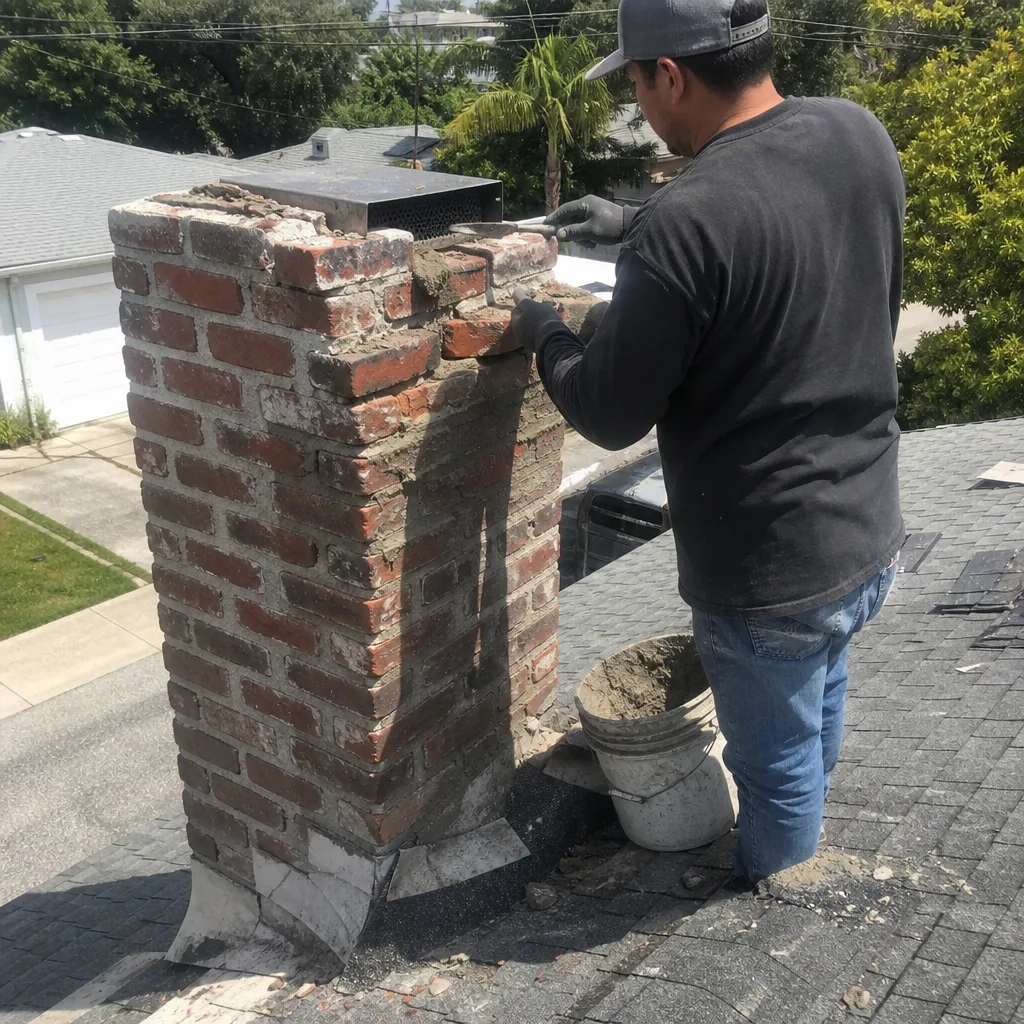
- Assuming “no smoke problems” means “no problems”: Carbon monoxide, the primary danger from chimney failure, is odorless and invisible. Draft can function adequately while liner damage channels gases toward framing. In Santa Clara’s tighter modern homes, this risk is elevated.
- Skipping post-earthquake inspection after minor tremors: The 3.7 magnitude event you barely noticed can shift liner sections. We’ve documented offsets in homes where residents felt nothing.
- Using the firebox as your only inspection point: The smoke chamber and upper flue, invisible without camera equipment, are where most serious Santa Clara defects occur.
- Delaying maintenance because of low usage: Intermittent use with marine-layer moisture exposure often causes faster mortar degradation than continuous use, which keeps the flue dry.
- Accepting verbal estimates: California contractors must provide written estimates for work exceeding $500. More importantly, verbal scope changes create disputes. We deliver written price, written scope, and written warranty before any work starts under Haven Standard Clause 1.
- Neglecting documentation between sales: A 15-year maintenance gap forces buyers to assume worst-case condition and negotiate repair credits. Continuous documentation preserves value.
- DIY creosote removal with improper tools: Wire brushes on stainless steel liners cause scoring that accelerates corrosion. Poly brushes on glazed creosote (Class II or III) are ineffective. Professional sweep equipment matches brush material to creosote class and liner type.
When to Call a Professional
Call for a Level 2 inspection immediately if you observe smoke spillage into the room, hear unexplained popping or ticking during fires, find moisture in the firebox after rain, or notice new exterior cracks after any seismic event. For a full list of symptoms, review our Chimney Cleaning Warning Signs: A Santa Clara Homeowner’s Reference Guide. These symptoms indicate conditions beyond homeowner visibility where camera documentation is essential.
Schedule preventive service if your last professional inspection exceeds 12 months, you’re purchasing a home with no chimney documentation, or you’re converting to a new fuel type. Fireplace Services in Santa Clara covers conversion inspections and appliance-specific requirements.
Level Two Chimney Santa Clara offers free estimates in Santa Clara. Call (650) 229-6358. A live person answers 24 hours a day, 7 days a week. We’ll assign a named technician, send a text when they’re en route, and deliver a written price before any work begins.
Frequently Asked Questions
A professional chimney sweep in Santa Clara typically costs $225 to $325 when bundled with a Level 1 inspection, or $375 to $495 with a Level 2 camera inspection and documented photo record. Prices vary based on creosote class, flue accessibility, and whether animal removal is required. Call (650) 229-6358 for an exact quote - estimates are free.
NFPA 211 recommends annual inspection for all chimneys and sweeping when creosote reaches 1/8-inch thickness. In Santa Clara’s intermittent-use, marine-layer climate, we find many homeowners need sweeping every 1-2 years rather than annually, but the inspection should still happen every year to catch moisture damage and seismic effects that sweeping alone won’t reveal.
You need a new liner when camera inspection shows cracked, spalled, or offset terra cotta that compromises containment of heat and combustion gases - not before. We never recommend liner replacement without photo evidence you can see. Some conditions, like minor surface spalling without through-cracking, can be addressed with HeatShield cerfractory resurfacing at lower cost. Other conditions can safely wait one season with increased monitoring. The camera findings determine the timeline, not a sales pitch.
Skipped maintenance leads to three predictable outcomes: creosote accumulation increases chimney fire risk (Class III glazed creosote ignites at approximately 450°F); moisture intrusion degrades mortar and liner, eventually requiring rebuild rather than repair; and undetected seismic damage creates liability exposure if fire or CO migration causes property damage or injury. In Santa Clara specifically, insurance carriers increasingly request maintenance documentation after regional fire events.
You can and should perform the visual checks described in this guide: damper operation, firebox integrity, flue opening obstruction, and exterior crown condition. You cannot assess smoke chamber condition, full flue liner integrity, or damper seal performance without specialized equipment. In Santa Clara, where seismic and moisture factors create hidden defects, professional Level 2 inspection with camera documentation is essential even for diligent homeowners.
Level 1 is a visual inspection of readily accessible components without specialized equipment. Level 2 includes internal camera scan of the flue, smoke chamber assessment, attic and exterior examination where accessible, and documented photo record. In Santa Clara, we perform Level 2 as our default because hidden liner damage from seismic stress and moisture degradation is too common to risk missing. This has been our practice since 2009 and became Haven Standard Clause 4.
The Bottom Line
Santa Clara chimney maintenance requires a checklist calibrated to local conditions: marine-layer moisture, intermittent burning patterns, and seismic exposure that generic templates ignore. Perform seasonal visual checks from the firebox, schedule Level 2 camera inspection every 2-3 years (annually for pre-1985 construction), maintain a documentation log with photo references, and never accept verbal scope or pricing. The cost of documented prevention is always lower than the cost of undocumented failure. Explore more guides & resources on our blog.
Written by Corrine Halstead, Owner at Level Two Chimney Santa Clara, serving Santa Clara since 2009.