
Last updated September 22, 2026
Level 1 sweep and inspection to the NFPA 211 annual standard - flue, crown, cap, and flashing checked and photographed
Chimney sweep logs do not sweep chimneys. They loosen some creosote - which then falls where a brush and vacuum still have to collect it.
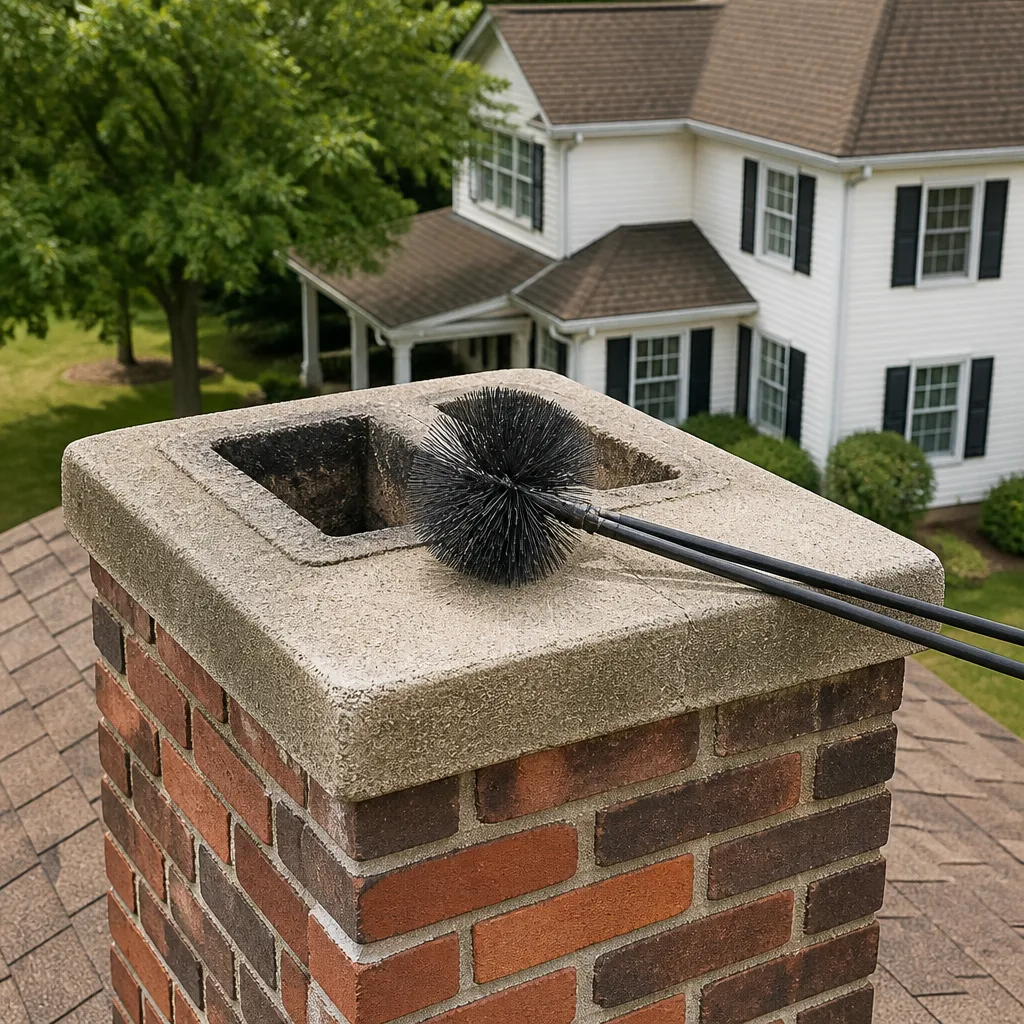
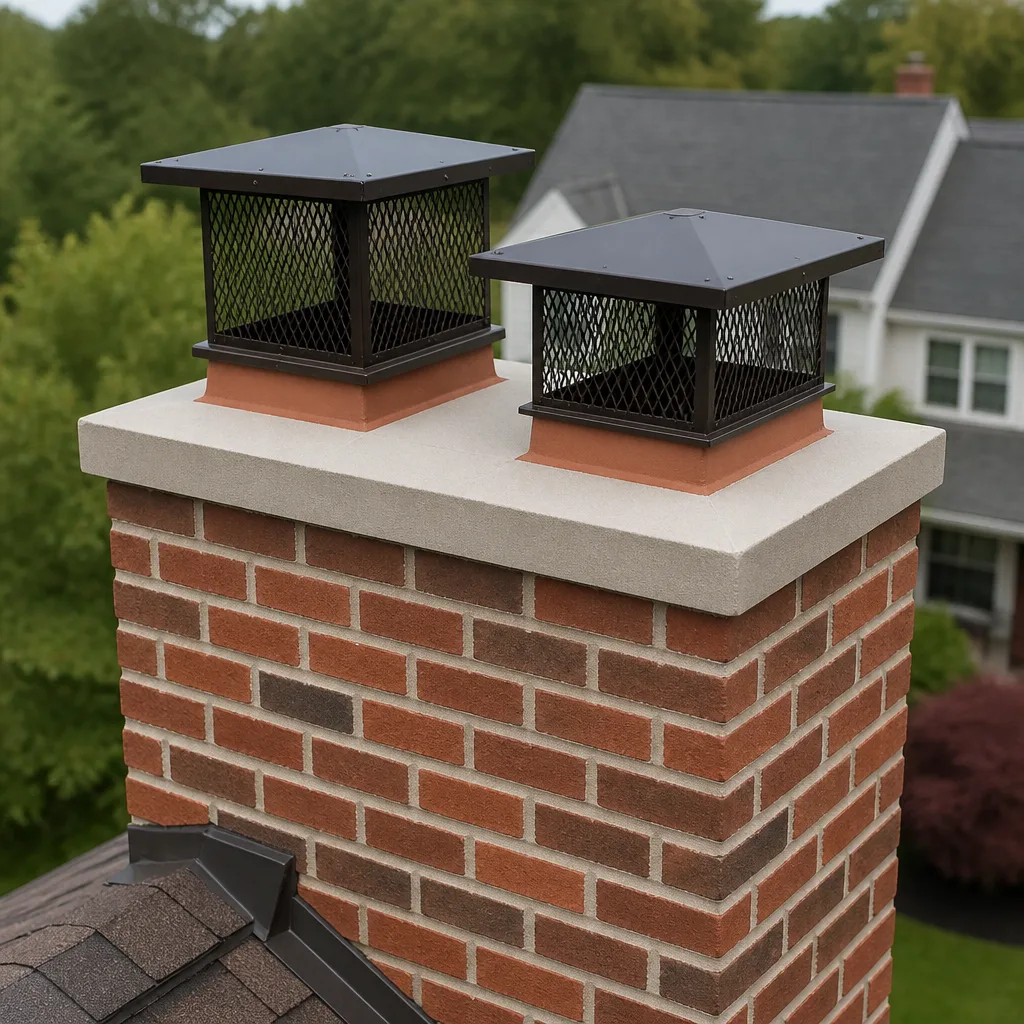
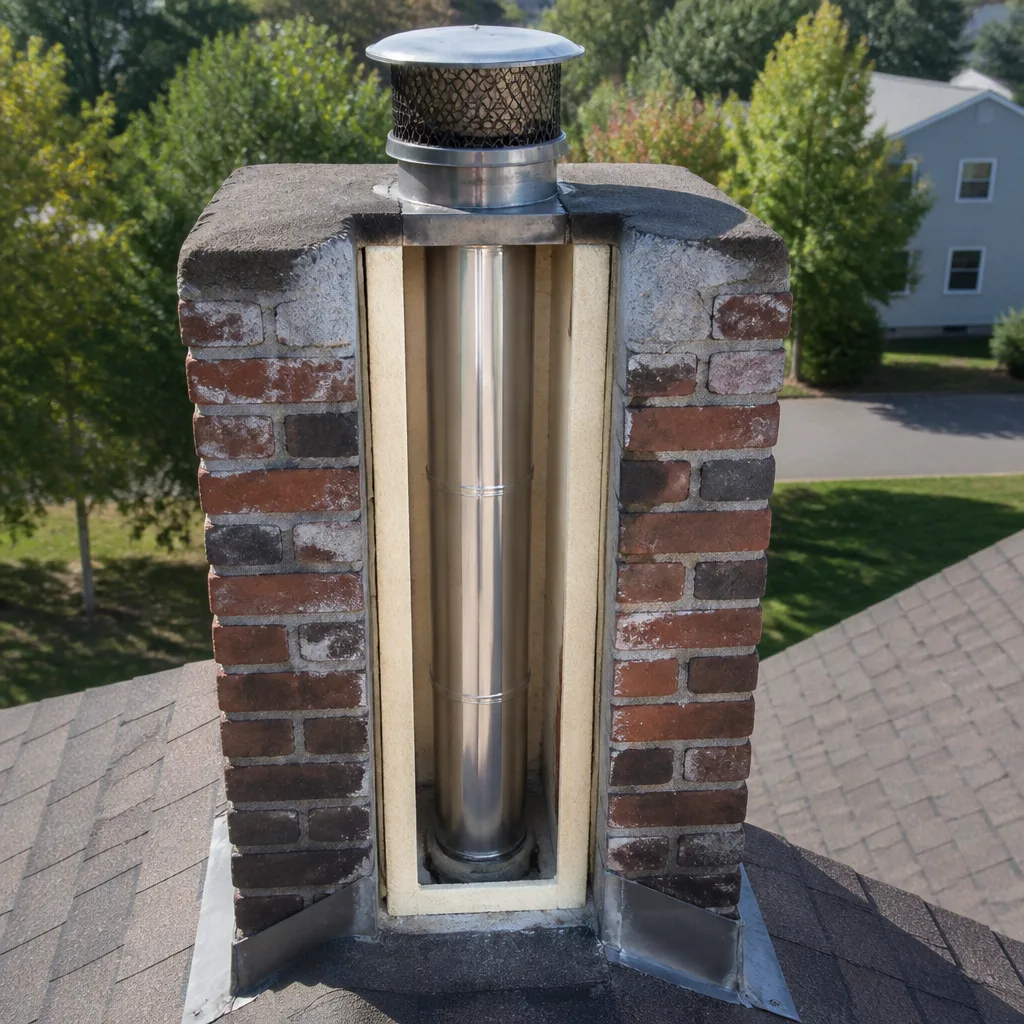
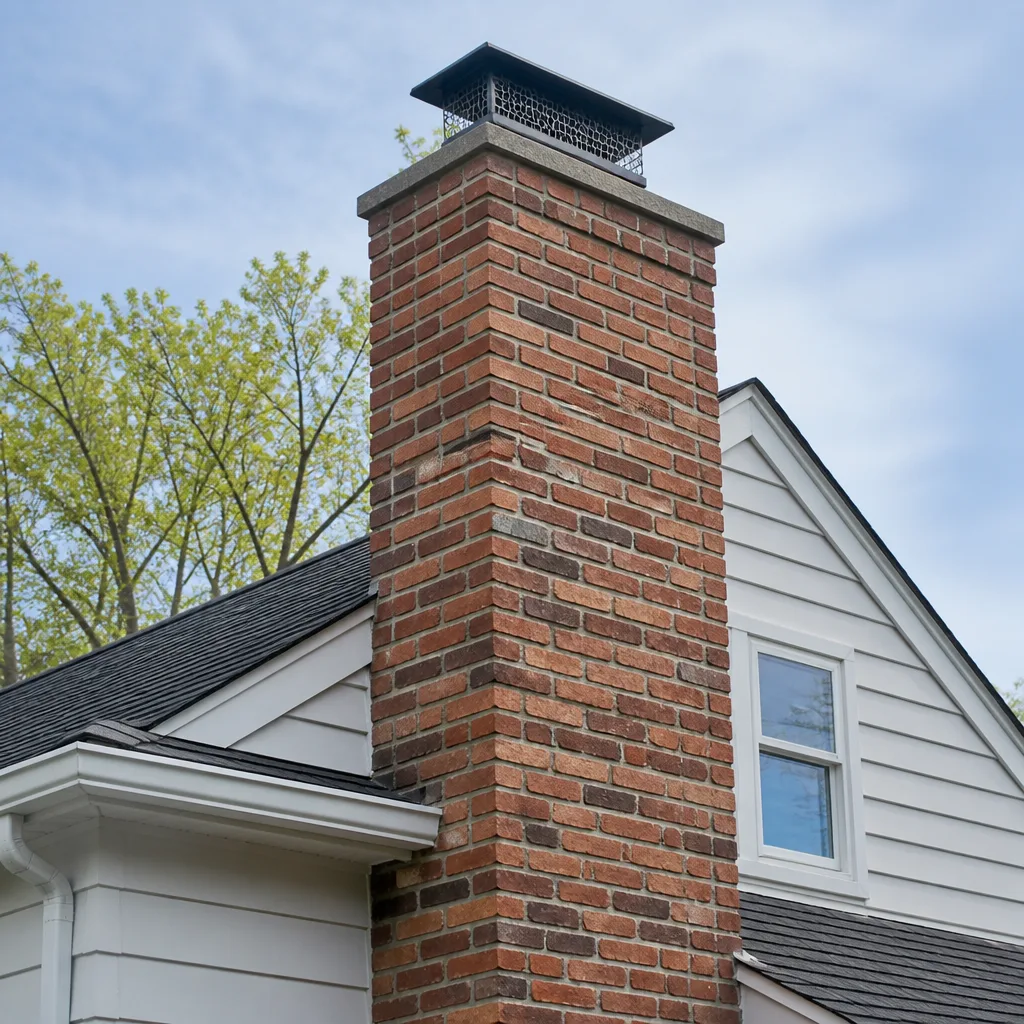
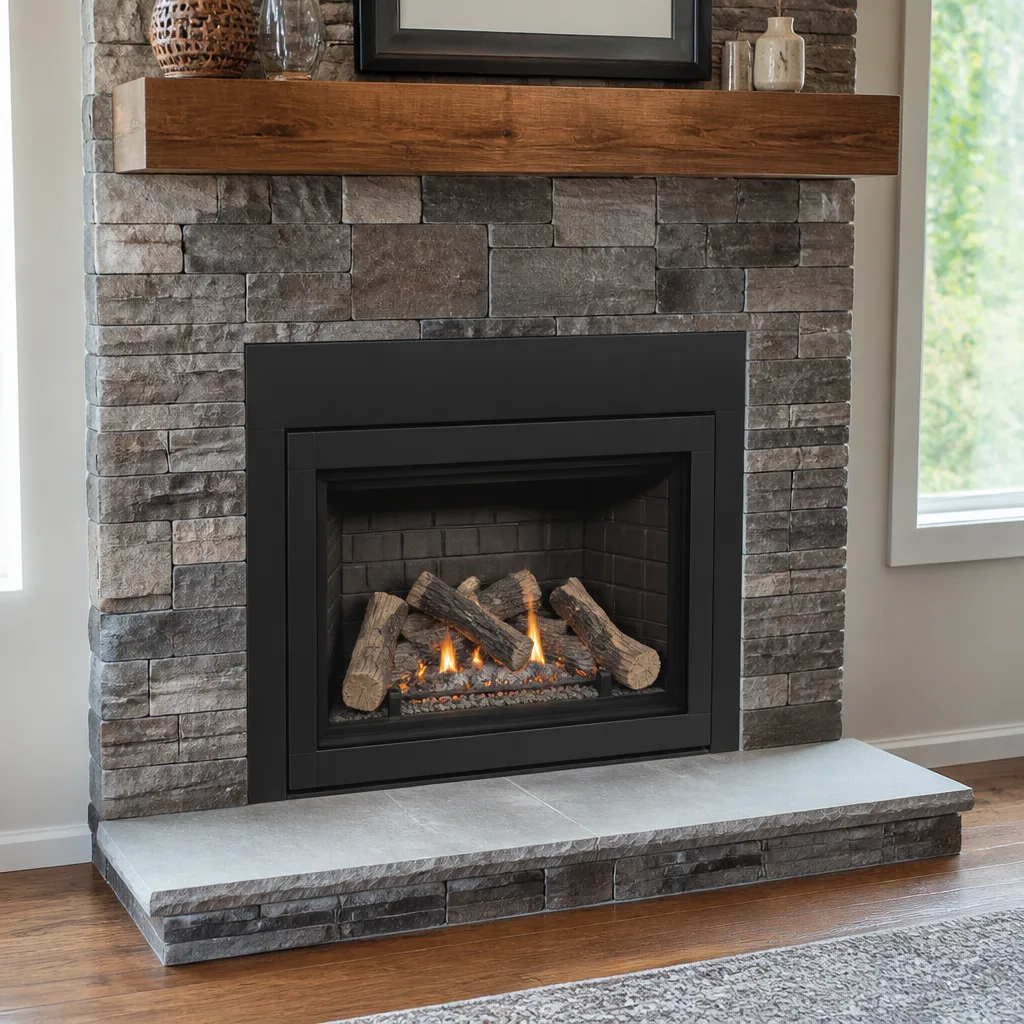
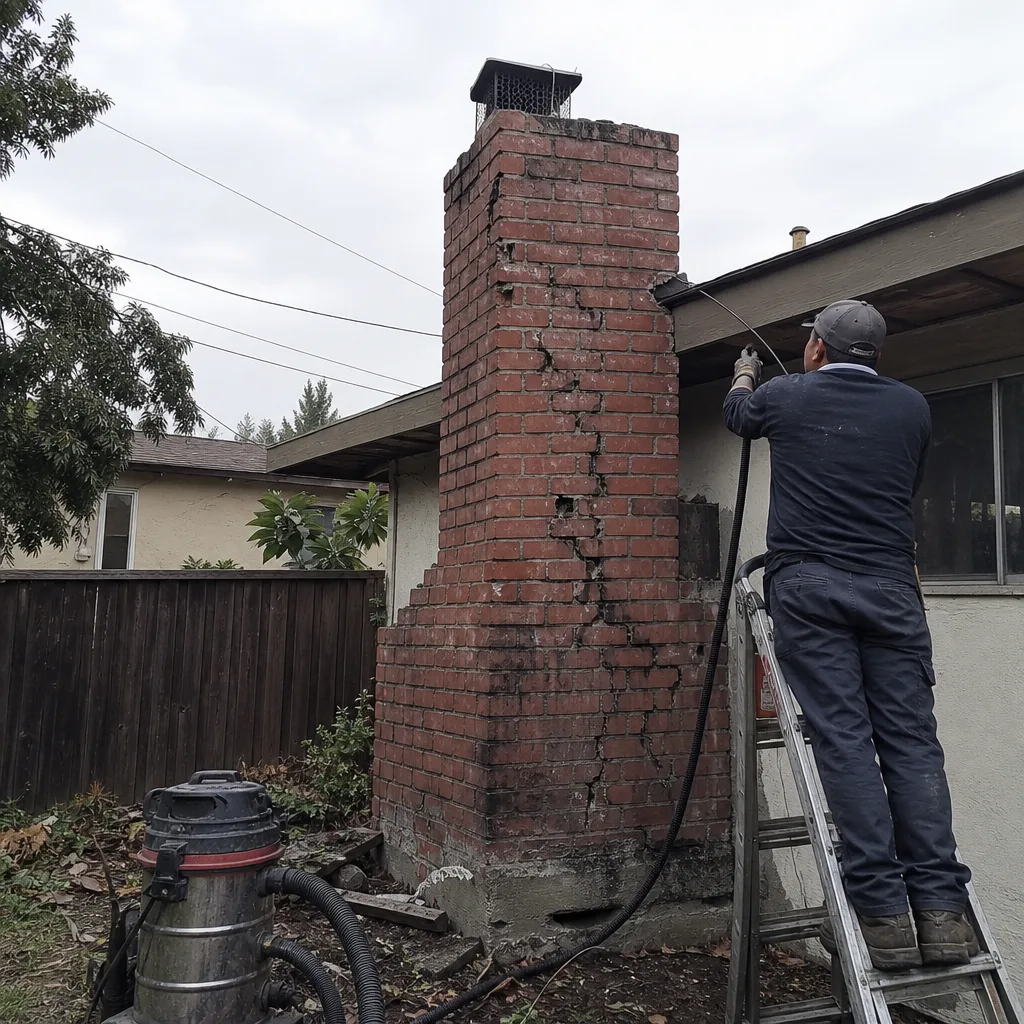 Before
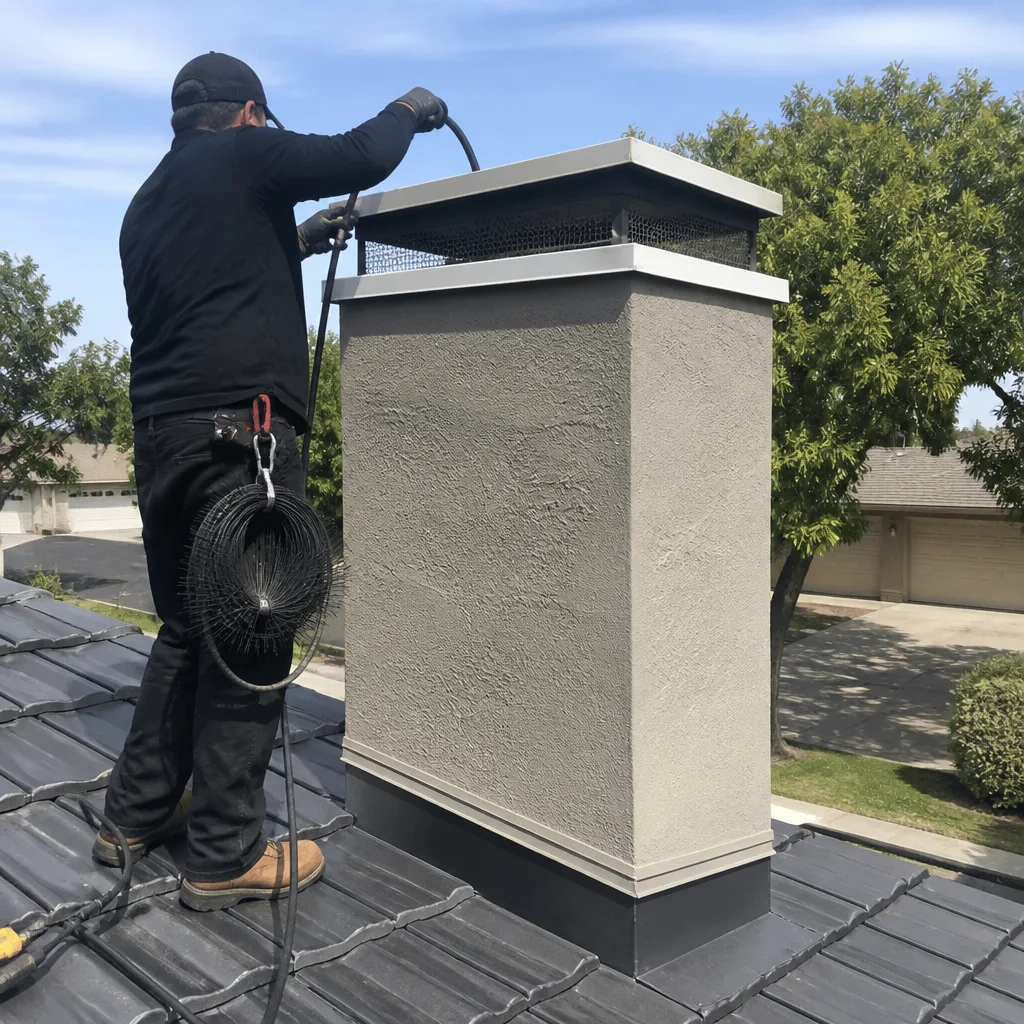 After
After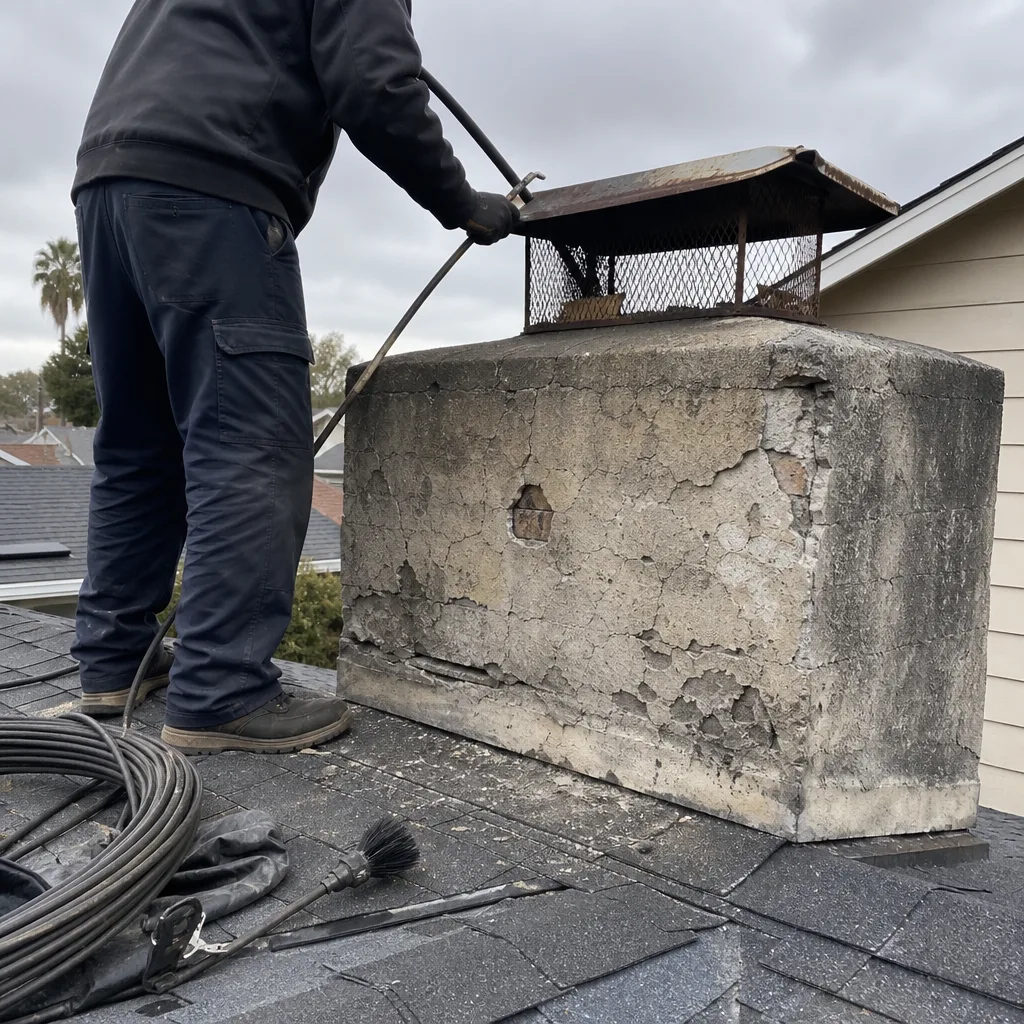 Before
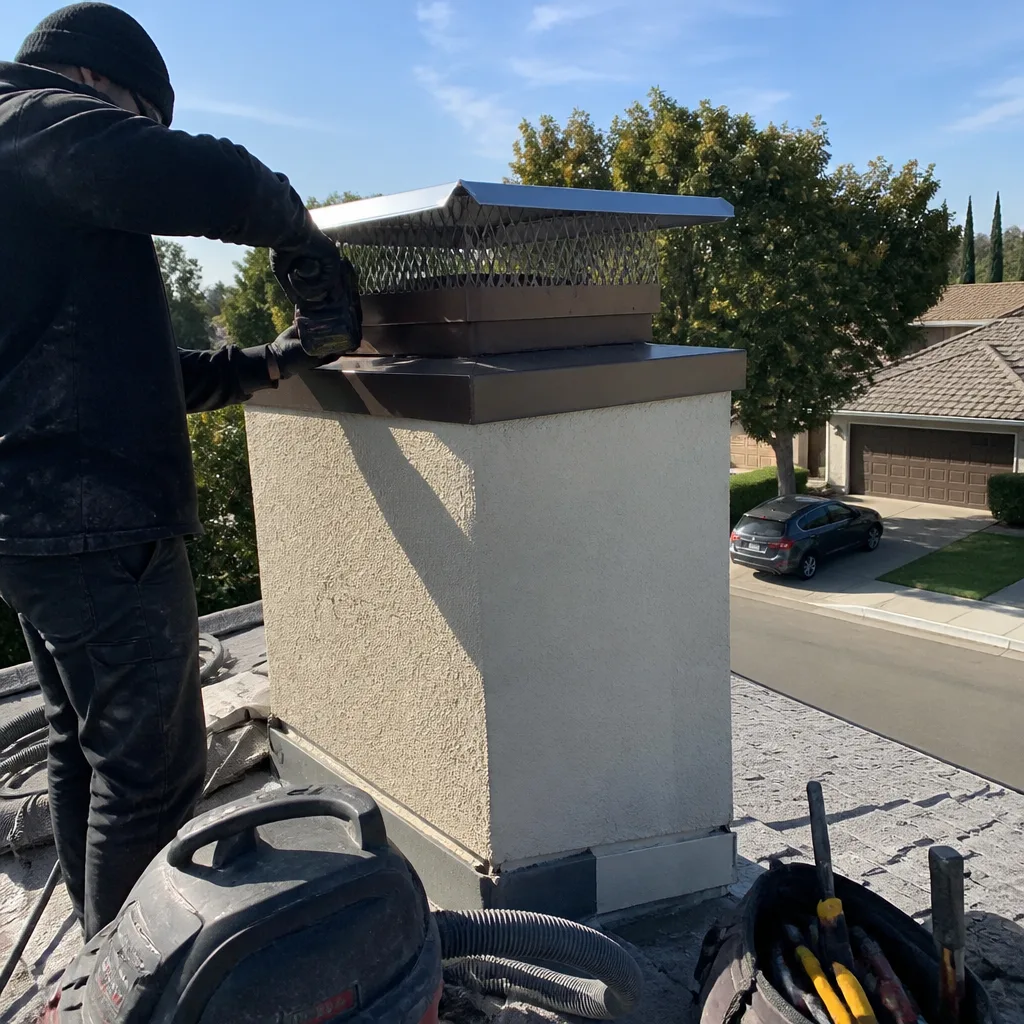 After
After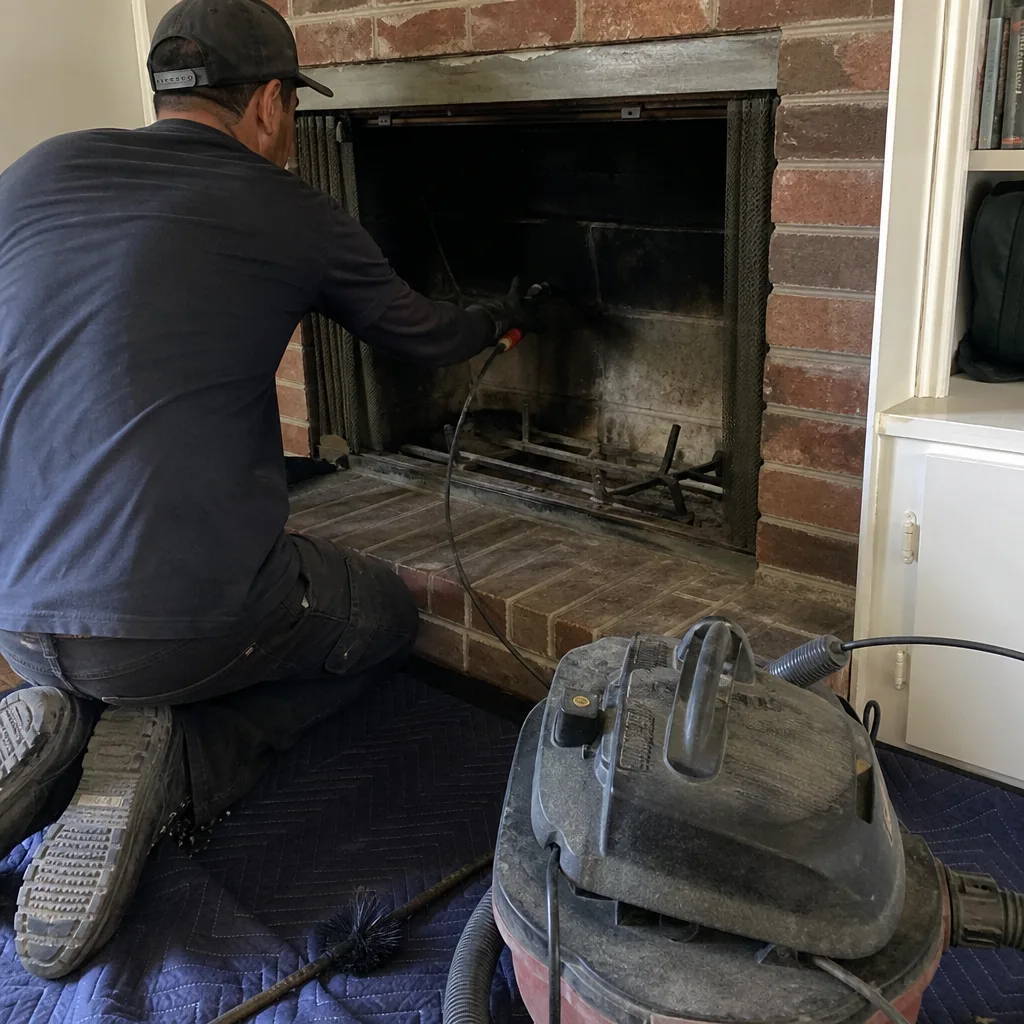 Before
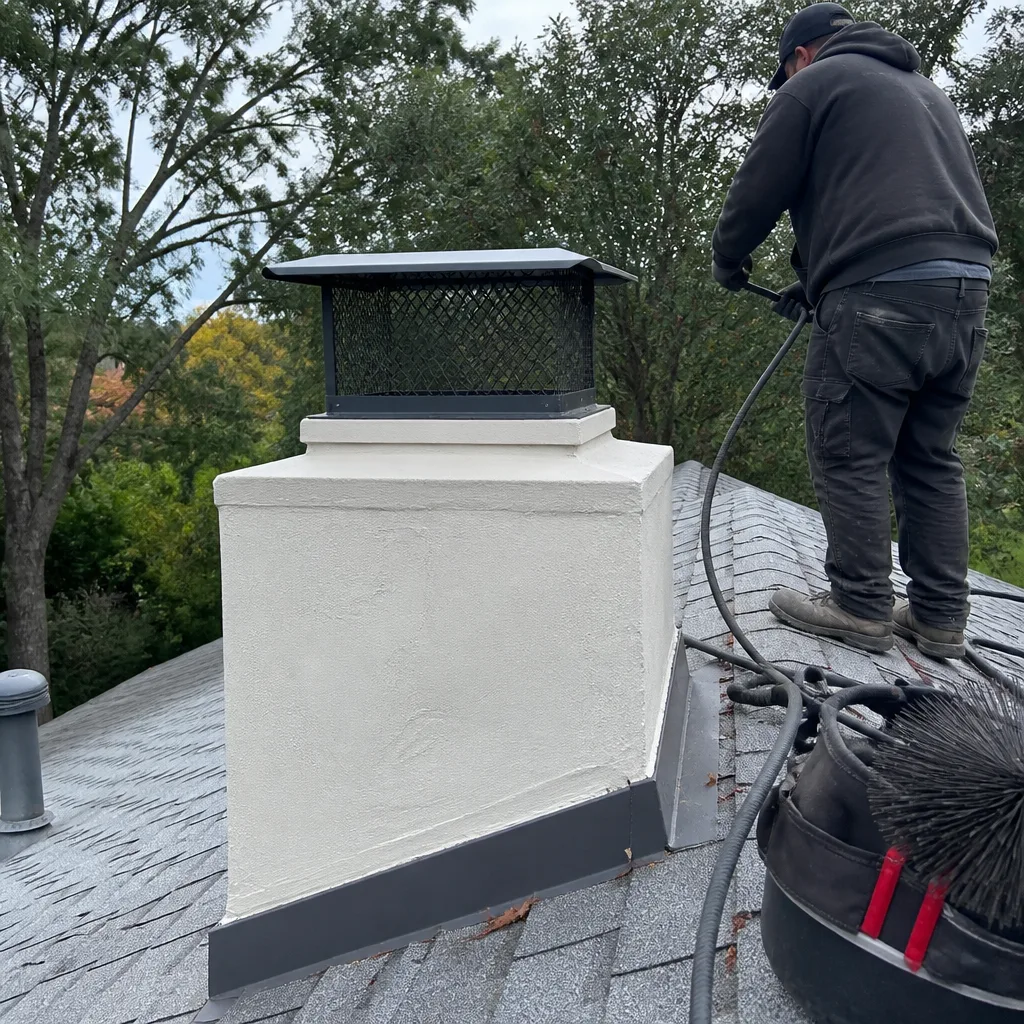 After
AfterThe Complete Guide to Chimney Cleaning in Santa Clara
Most Santa Clara homeowners who book a “chimney cleaning” believe they’re also getting a full inspection of their flue liner, smoke chamber, and chimney crown. They’re not. A flashlight and a mirror have been the default “inspection” tool for most Bay Area sweeps since the 1980s. NFPA 211 hasn’t accepted that as a Level 2 inspection since 2006 - yet the majority of Santa Clara homeowners still receive exactly that after paying full inspection rates. This guide separates chimney sweeping from chimney inspection, shows you what each service actually costs in Santa Clara, and teaches you how to read your invoice to know which one you received.
Quick Answer
A professional chimney cleaning in Santa Clara removes creosote, soot, and debris from your flue and firebox, typically costing $180-$320 for a standard wood-burning fireplace. A proper cleaning should include a visual inspection of accessible components, but it is not the same as an NFPA 211 Level 2 inspection, which requires a camera scan of the flue interior and produces documented photo evidence. Most Santa Clara homeowners need both services, and they can often be completed in a single visit.
Table of Contents
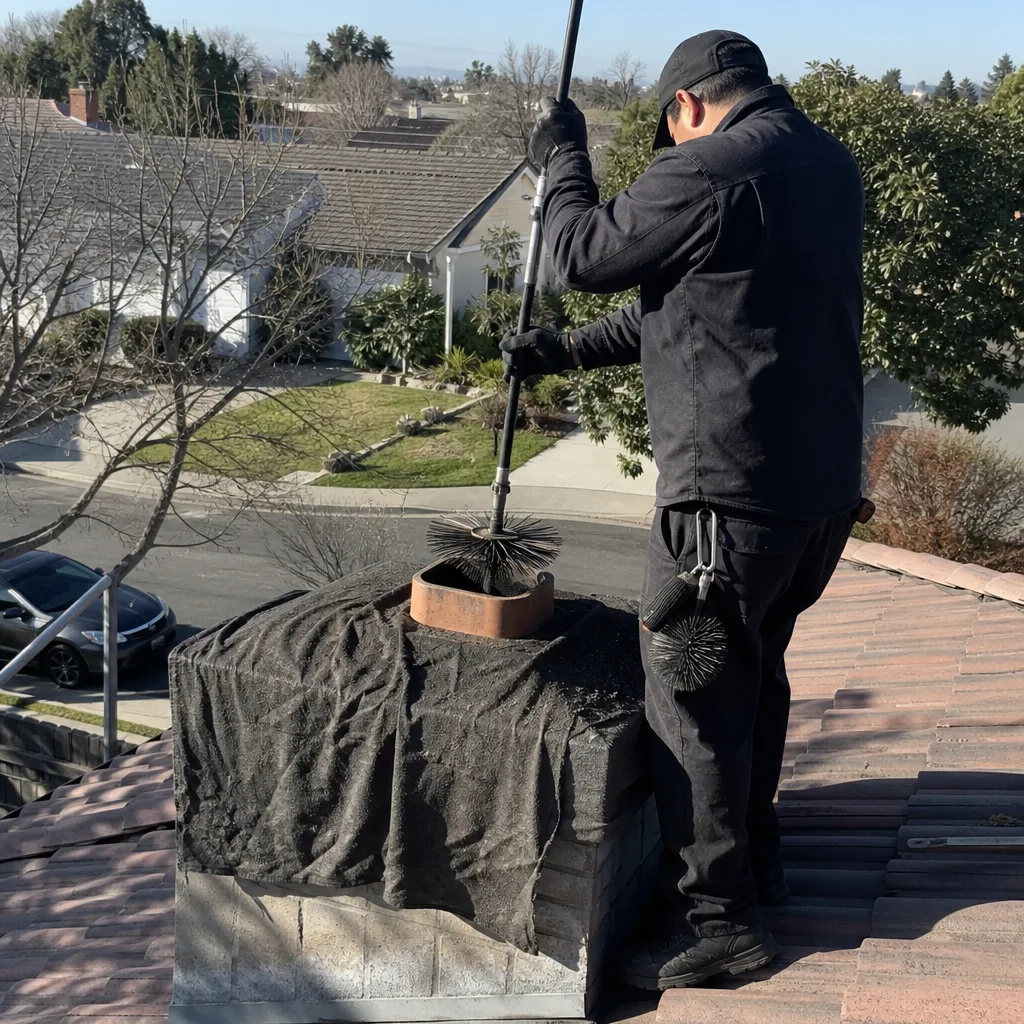
- Chimney Sweep vs. Chimney Inspection: What’s the Difference?
- What Chimney Cleaning Costs in Santa Clara
- Why Santa Clara’s Climate Changes How Creosote Builds Up
- What a Written Sweep Report Should Actually Contain
- How to Read Your Invoice: Flashlight Look or Camera Scan?
- Insurance, Real Estate, and the Legal Weight of Documentation
- Common Mistakes to Avoid
- When to Call a Professional
- Frequently Asked Questions
- The Bottom Line
 Before
 After
AfterChimney Sweep vs. Chimney Inspection: What’s the Difference?
The confusion starts with language. When you call a sweep company and ask for a “chimney cleaning,” you might mean any of three distinct services. Understanding the difference protects you from paying inspection rates for a sweep, or worse, receiving a sweep when your situation demands documented inspection.
Level 1 Chimney Sweep (Cleaning)
A sweep removes combustible deposits from the firebox, smoke chamber, damper, and flue. The technician uses rotary brushes, hand tools, and industrial vacuums to clear creosote stages 1 and 2, along with soot, bird nests, and fallen debris. A basic visual check of accessible, readily openable components happens as part of the process, but no tools are used to examine hidden surfaces. No camera. No roof climb unless specified. No written documentation of flue integrity.
In Santa Clara, where many homes in Rivermark, Santana Row-adjacent neighborhoods, and the older streets near Washington Square were built between 1960 and 1990, flues are often unlined terra cotta with hidden cracks that a flashlight simply cannot reach. A sweep makes the chimney safer to use by removing fuel for a chimney fire. It does not prove the chimney is structurally sound.
NFPA 211 Level 2 Inspection
A Level 2 inspection is a documented, camera-based examination of the entire chimney system, including the flue liner interior, smoke chamber, damper assembly, and accessible portions of the exterior. The technician runs a high-resolution camera the full length of the flue, capturing images of every joint, crack, and creosote deposit. The findings are compiled into a written report with photos, measurements, and recommendations.
NFPA 211 requires a Level 2 inspection upon sale or transfer of a property, after a chimney fire or seismic event, and whenever a fuel type or appliance is changed. In Santa Clara’s active seismic zone, where the Calaveras Fault and Hayward Fault both influence local building stress, this matters. We’ve found compression cracks in terra cotta flues in the Rose Garden-adjacent areas and near Santa Clara University that showed no external symptoms but were clearly visible on camera.
When You Need Both
Most of our Santa Clara customers need both services on the same visit. The sweep removes hazardous creosote so the camera can see the flue surface clearly. The camera then documents whether the flue is intact enough to safely contain the next season’s fires. At Level Two Chimney Santa Clara, we quote both services separately in writing before work begins, so you know exactly what you’re paying for.
What Chimney Cleaning Costs in Santa Clara
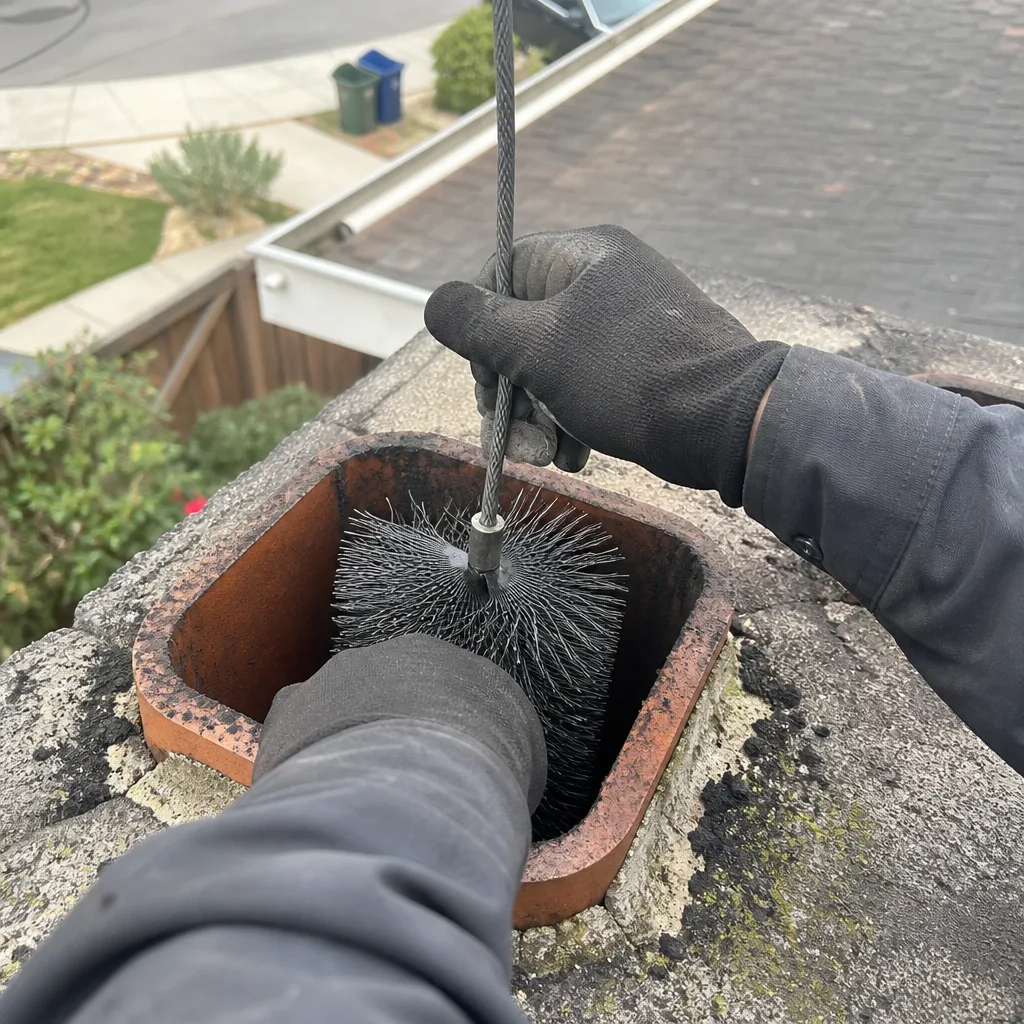
Chimney service pricing in Santa Clara reflects Bay Area labor costs, travel constraints, and the prevalence of older masonry chimneys that require more time than prefabricated metal systems. Here’s what you should expect to pay for work done properly, with a written price delivered before any work starts.
| Service | Typical Santa Clara Price Range | What’s Included |
|---|---|---|
| Standard chimney sweep (wood-burning fireplace) | $180-$260 | Creosote removal, basic visual check, debris disposal |
| Heavy creosote removal (Stage 3 / glazed) | $280-$420 | Chemical treatment, mechanical removal, extended labor |
| NFPA 211 Level 2 inspection with camera scan | $220-$340 | Full flue camera documentation, written report with photos |
| Sweep + Level 2 inspection combined | $340-$480 | Both services, single visit, one written scope and price |
| Gas fireplace inspection and cleaning | $150-$220 | Burner check, venting verification, debris removal |
| Chimney cap or crown evaluation | No additional charge with inspection | Photo documentation, condition assessment |
These ranges reflect our actual 2024-2025 pricing in Santa Clara and surrounding Santa Clara County. We don’t charge travel fees within the city, including to the Mission College area, Central Park neighborhoods, or the Agnew development. Work outside city limits may carry a modest travel charge, quoted in writing before booking.
What these prices do not include: repairs, liner installation, or masonry work. If we find a cracked flue liner, spalling brick, or failed crown, we provide a separate written estimate with photos showing exactly what we found. Nothing is started without your written approval. That’s Haven Standard Clause 1: “Have it in writing” - price, scope, and warranty, delivered before work begins, not after the technician is already in your living room.
Why Santa Clara’s Climate Changes How Creosote Builds Up
Santa Clara’s Mediterranean climate - mild, wet winters and dry, warm summers - creates a creosote deposition pattern that surprises many homeowners. The common assumption is that heavy winter use produces the most creosote. In our experience across 38,000+ chimneys since 2009, Santa Clara’s pattern is different and, in some ways, more hazardous.
The Low-Temperature Burn Problem
Creosote forms in three stages. Stage 1 is flaky, sooty, and easily brushed away. Stage 2 is crunchy, tar-like chips. Stage 3 is glazed, hardened, and essentially waterproof - it requires chemical treatment and mechanical removal, and it burns at extremely high temperatures if ignited.
Stage 3 creosote forms most rapidly when wood burns at low temperatures with restricted airflow. Santa Clara homeowners tend to light small, decorative fires on cool evenings rather than heating their entire home. These low, smoldering burns - common in the Willow Glen-bordering neighborhoods and the newer construction near Levi’s Stadium - produce more incomplete combustion than a roaring, high-temperature fire. The result is glazed creosote accumulation that looks like it belongs in a Maine winter but shows up in a Santa Clara ranch house after two seasons of occasional use.
Moisture and Seasonal Cycling
Santa Clara’s winter rains introduce another factor. Even with a proper chimney cap, moisture enters the flue through temperature differentials and cap gaps. When moist air combines with acidic creosote, the resulting compound accelerates deterioration of terra cotta flue liners and mortar joints. We’ve documented this pattern repeatedly in the older homes near Franklin Square and the historic districts south of El Camino Real, where unlined or partially lined chimneys are common.
The practical implication: Santa Clara chimneys often need sweeping more frequently than their use hours would suggest, and the creosote found is more likely to be Stage 2 or 3 than in colder climates where high-temperature heating fires dominate. A “we barely use it” homeowner in Santa Clara is not necessarily a low-risk homeowner.
What a Written Sweep Report Should Actually Contain
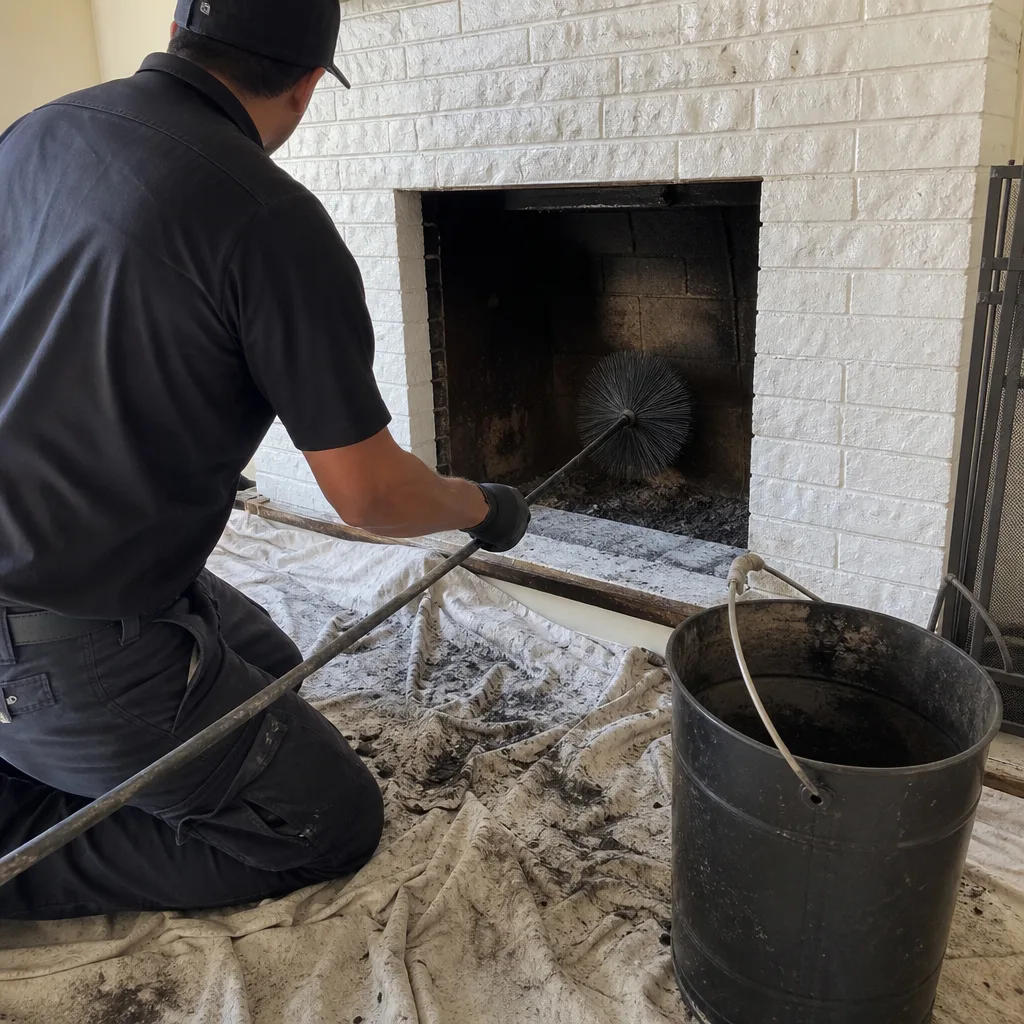
After paying for a chimney service, you should walk away with documentation that has value beyond the immediate transaction. A proper report protects your insurance position, supports real estate disclosures, and creates a baseline for comparing future inspections. Here’s what to demand.
The Six Elements of a Valid Sweep Report
- Linear feet cleaned. The report should state exactly how many feet of flue were brushed and vacuumed. A standard Santa Clara fireplace flue runs 15-25 feet from firebox to crown. If your report doesn’t specify, you don’t know what was actually done.
- Creosote stage found and removed. Stage 1, 2, or 3 - specified for each section of flue if stages varied. This determines whether the sweep was routine or heavy-duty, and it affects how soon you need the next service.
- Photos before and after. Not stock images. Your actual flue, your actual firebox, time-stamped and labeled. Clause 4 of the Haven Standard requires a photo record on every job - we established this practice in 2009, and it’s been non-negotiable since.
- Clearance defects flagged. Any combustible material within improper distance of the flue, damaged chimney liner, or missing mortar should be noted with measurements and recommendations.
- Appliance and fuel type verification. The report should confirm what appliance was serviced and what fuel it burns. A gas log set and a wood-burning fireplace require different documentation.
- Written condition summary and next-service recommendation. Not a vague “see you next year.” Specific guidance based on what was found: “Stage 2 creosote at 12 feet suggests annual sweep; hairline crack in flue tile at 8 feet recommends Level 2 camera inspection.”
At Level Two Chimney Santa Clara, every customer receives this documentation before we leave the property. It’s uploaded to your account, emailed as a PDF, and available for insurance or real estate submission without additional request.
How to Read Your Invoice: Flashlight Look or Camera Scan?
The most common deception in chimney service is charging inspection rates for sweep-only work. Here’s how to tell what you actually received.
Red Flags on the Invoice
- Vague language: “Chimney inspected” without specifying Level 1, 2, or 3. A true Level 2 inspection will be labeled as such, with reference to NFPA 211.
- No camera mentioned: If the invoice doesn’t list “video scan,” “camera inspection,” or “internal flue imaging,” you did not receive a Level 2 inspection, regardless of what you were told.
- No photo count: A Level 2 inspection produces dozens of images. An invoice with zero photos or “inspection photos: N/A” indicates a flashlight look.
- Flat rate for “inspection and cleaning”: Legitimate companies separate these services or clearly itemize the combined price. A bundled mystery rate often conceals corner-cutting.
- No technician name or license number: California requires home improvement contractors to display license numbers on contracts and invoices. Absence is a legal violation and a quality warning.
Green Flags: Evidence of Proper Work
- Specific measurements: “Flue diameter: 8 inches, length cleaned: 18 feet, creosote stage: 2.”
- Camera equipment noted: Brand and model of inspection camera, or “digital flue scan performed.”
- Photo count and location: “42 images captured, flue full length, smoke chamber, damper assembly, exterior crown.”
- Written recommendation separate from sales pitch: Clear distinction between “what we found” and “what we recommend,” with no pressure language.
We’ve reviewed competitor invoices brought in for our Free Second Opinion service in Santa Clara. The pattern is consistent: customers told they received a “full inspection” paid $250-$350 for a 15-minute flashlight sweep with no documentation. The work wasn’t necessarily bad. The description of it was.
Insurance, Real Estate, and the Legal Weight of Documentation
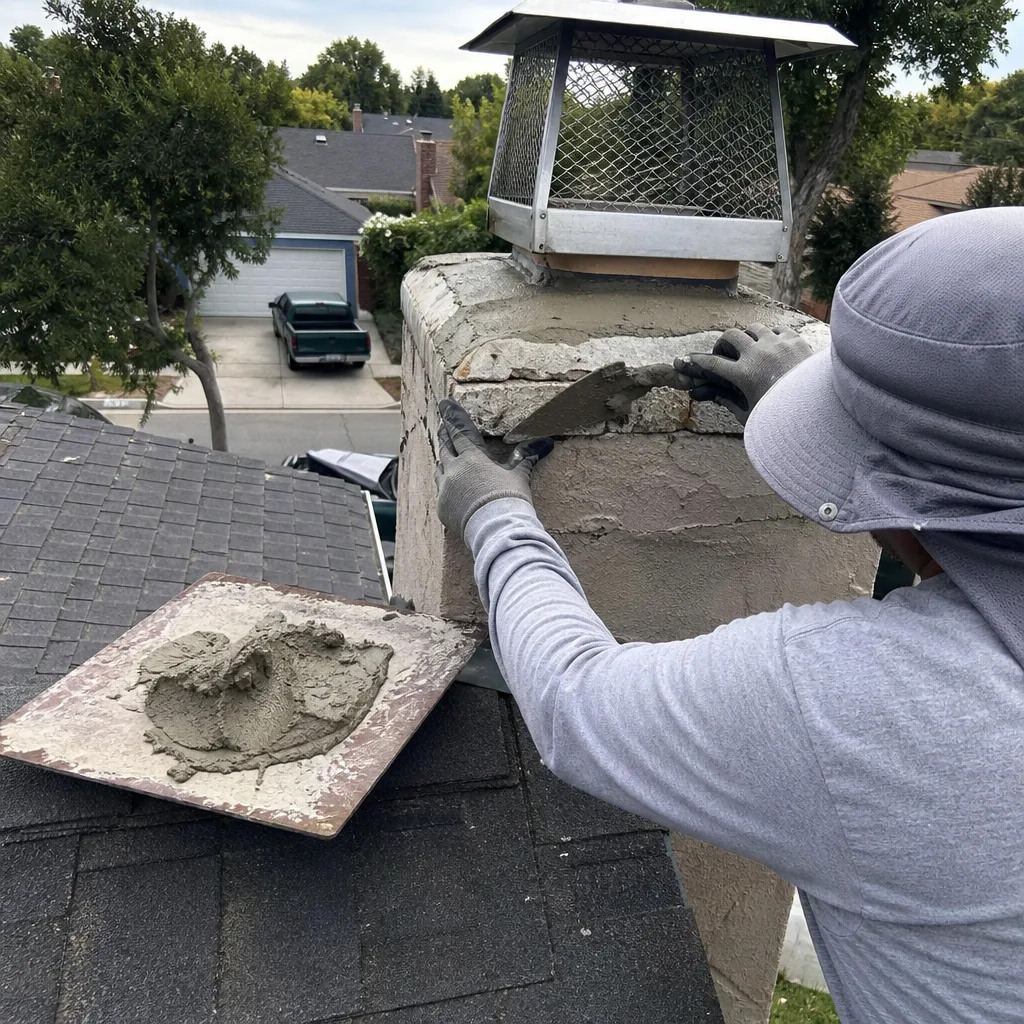
A chimney fire in Santa Clara produces more than property damage. It produces an insurance claim, a potential coverage dispute, and if you’re selling, a mandatory disclosure. The quality of your chimney documentation determines how each of these proceeds.
Insurance Claims and Coverage
Homeowner’s insurance typically covers chimney fire damage, but with caveats. If the insurer determines that the chimney was not properly maintained, they may deny the claim or reduce the payout. A verbal assurance from a sweep company that “it looked fine” provides no evidence. A dated, photo-documented Level 2 inspection report with a written condition summary is admissible documentation of due diligence.
In 2019, we serviced a home in the Montague neighborhood where the homeowner’s insurer requested proof of annual chimney maintenance after a neighbor’s fire. The homeowner had three years of our Clause 4 photo records. The claim was processed without dispute. A homeowner with only cash receipts and no inspection reports would have faced a different conversation.
Real Estate Transactions
California’s Transfer Disclosure Statement requires sellers to disclose known defects in the chimney and fireplace. A documented Level 2 inspection shifts this from subjective memory to objective record. If the inspection shows a sound flue, the disclosure is supported. If it shows a crack requiring repair, the seller can address it proactively or price accordingly - but either way, the transaction proceeds with transparency.
Buyers in Santa Clara’s competitive market, where homes in the $1.5M-$3M range are common, increasingly request Level 2 inspection reports as a contingency. A seller who can produce one gains negotiating position. A seller who cannot may face a rushed, last-minute inspection that delays closing or kills the deal.
The Haven Standard’s documented photo record, maintained since 2009, creates a longitudinal history for properties we service repeatedly. When a Santa Clara homeowner sells after ten years of our visits, they have a decade of dated, comparable images showing condition trends. That’s not a service we advertise heavily. It’s a consequence of doing the work properly from the first visit.
Common Mistakes to Avoid
- Booking a sweep and assuming it’s an inspection. In Santa Clara, this is the single most expensive error homeowners make. Ask explicitly: “Does this include a camera scan of the full flue length?” If the answer is hesitation, it’s a no.
- Ignoring Stage 3 creosote warnings. Glazed creosote cannot be removed with standard brushing. A company that quotes $180 and then “discovers” Stage 3 mid-job, jacking the price to $400, is either incompetent or predatory. Demand Stage assessment in the written quote.
- Hiring based on lowest price alone. The $99 sweep special in Santa Clara typically involves a quick brush, no inspection, and a hard sell for “necessary” repairs. We’ve documented cases in the Burbank and Westwood Oaks areas where the $99 sweep identified $3,800 in “urgent” work with no photo evidence.
- Skipping service because the fireplace is “barely used.” Santa Clara’s low-temperature burn pattern means infrequent use often produces worse creosote than regular heating fires. Annual inspection is the safer default.
- Accepting verbal reports. “Your chimney looks good” is not documentation. Insist on written findings with photos, especially if you’re told no problems exist. A clean bill of health should be as documented as a repair recommendation.
- Neglecting the chimney cap and crown. Water intrusion through a cracked crown or missing cap destroys flue liners from the outside. In Santa Clara’s rainy winters, this is more common than fire damage. The cap and crown should be evaluated and photographed on every visit.
When to Call a Professional
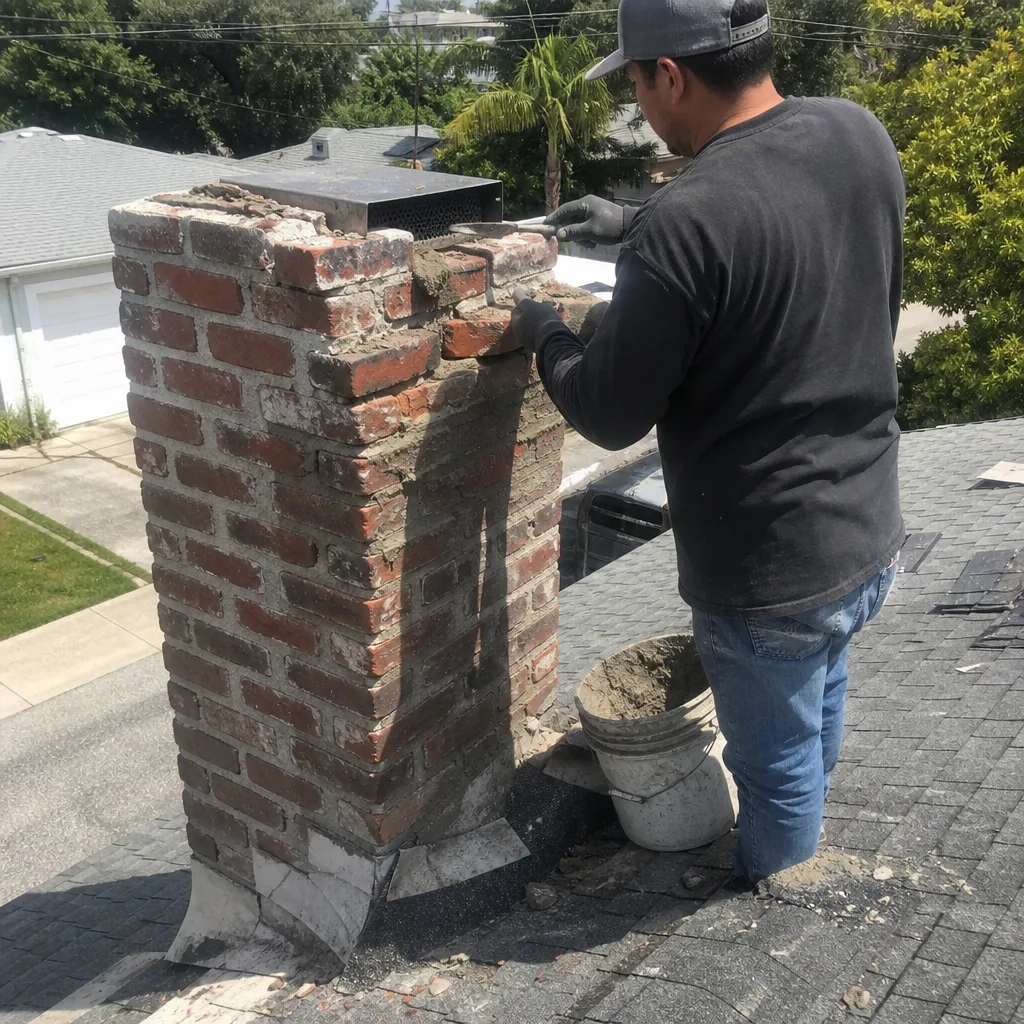
Call a certified chimney professional if you notice any of the following: visible creosote flakes in the firebox, smoke entering the room during use, a strong tar odor on warm days, white staining on exterior brick (efflorescence indicating moisture intrusion), or any cracks in the chimney crown or visible flue tiles. After any seismic event, even minor, a Level 2 inspection is prudent - Santa Clara’s location near multiple fault lines means ground movement is not always perceptible but can affect masonry.
If you’re buying or selling a home, transferring to a new fuel type, or have not had documented camera inspection within two years, schedule a Level 2 inspection regardless of visible symptoms. Hidden flue damage rarely announces itself before it becomes dangerous.
Level Two Chimney Santa Clara offers free estimates throughout Santa Clara - call (650) 229-6358. Every estimate includes a clear explanation of what service we recommend and why, with a written price before any work begins. Live phone support is available 24 hours a day, 7 days a week.
Frequently Asked Questions
A standard chimney sweep for a wood-burning fireplace in Santa Clara typically costs $180-$260, while heavy creosote removal runs $280-$420. Gas fireplace service usually falls in the $150-$220 range. Call (650) 229-6358 for an exact quote - estimates are free, and your written price is delivered before any work starts.
You need a new flue liner only if the existing one is cracked, deteriorated, or improperly sized for your appliance - and this determination should be based on camera evidence you can see, not a technician’s verbal claim. At Level Two Chimney Santa Clara, we show you the camera footage and explain the NFPA 211 clearance requirements before recommending liner work. Some cracks are stable and monitorable; others require immediate replacement. The difference matters, and the documentation should prove which category applies to your chimney.
The National Fire Protection Association recommends annual inspection for all chimneys, with sweeping frequency determined by creosote accumulation. In Santa Clara’s climate, where low-temperature burns dominate, we often find Stage 2 or 3 creosote after a single season of occasional use. Annual sweeping is the safer practice for most wood-burning homeowners here, with Level 2 camera inspection every 2-3 years or upon any change in appliance or fuel type.
Skipped cleaning allows creosote to accumulate, increasing chimney fire risk and accelerating flue deterioration through acidic moisture interaction. In Santa Clara’s wet winters, we’ve removed bird nests, leaf debris, and even bee colonies from neglected chimneys - each a blockage hazard. Carbon monoxide backup from partial obstruction is a less visible but equally serious risk. The cost of prevention is modest; the cost of remediation after a fire or CO event is not.
A sweep removes combustible deposits from the flue and firebox using brushes and vacuums, with a basic visual check of accessible areas. A Level 2 inspection is a documented, camera-based examination of the full flue interior, smoke chamber, and accessible exterior components, producing a written report with photos. You often need both: the sweep clears debris so the camera can see, and the camera documents whether the cleared flue is structurally sound. They are separate services with separate value, and your invoice should clearly distinguish them.
Mechanical sweeping of a ground-level, straight flue with proper brushes and vacuum is physically possible for a handy homeowner, but we don’t recommend it for most Santa Clara properties. For a deeper look at the trade-offs, see our DIY vs Professional Chimney Cleaning: The Santa Clara Homeowner’s Decision Guide. The hazards are real: roof access on two-story homes, proper Stage 3 creosote identification, and the inability to camera-inspect your own work for missed deposits or flue damage. More critically, DIY cleaning provides no documentation for insurance or real estate purposes. For gas fireplaces, DIY work risks venting misalignment and carbon monoxide hazards - call a professional.
The Bottom Line
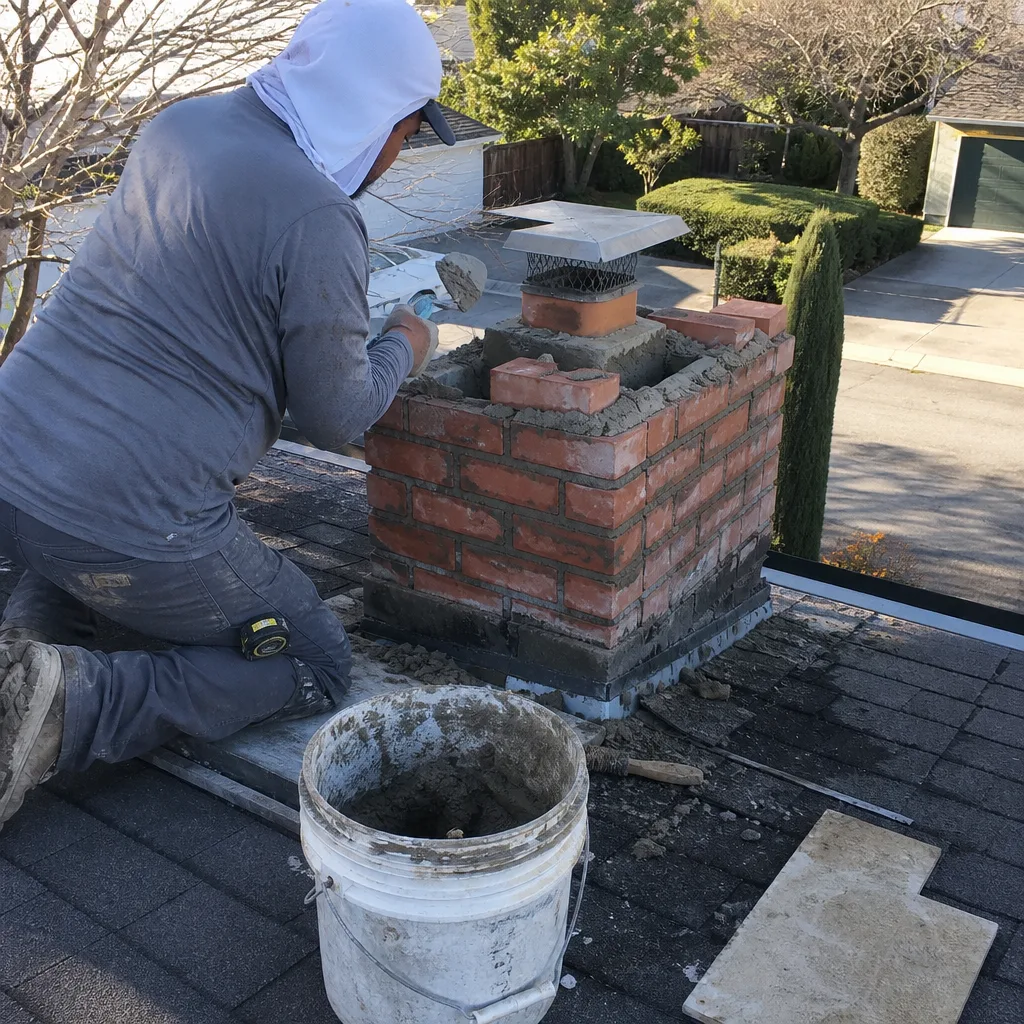
Chimney cleaning in Santa Clara is not a single, standardized service. It’s a spectrum from basic creosote removal to documented structural evaluation, and most homeowners need both ends. The key protections are simple: demand a written price before work starts, insist on photo documentation of findings, and know whether your “inspection” included a camera scan or a flashlight glance. Santa Clara’s mild climate creates specific creosote hazards that differ from national averages. Your service provider should understand this and explain it without prompting. Documentation isn’t paperwork - it’s the proof that protects your home, your insurance position, and your transaction when you sell. We’ve built our practice on this since 2009, and it’s not changing. Explore more guides & resources to protect your home.
Written by Corrine Halstead, Owner at Level Two Chimney Santa Clara, serving Santa Clara since 2009.