
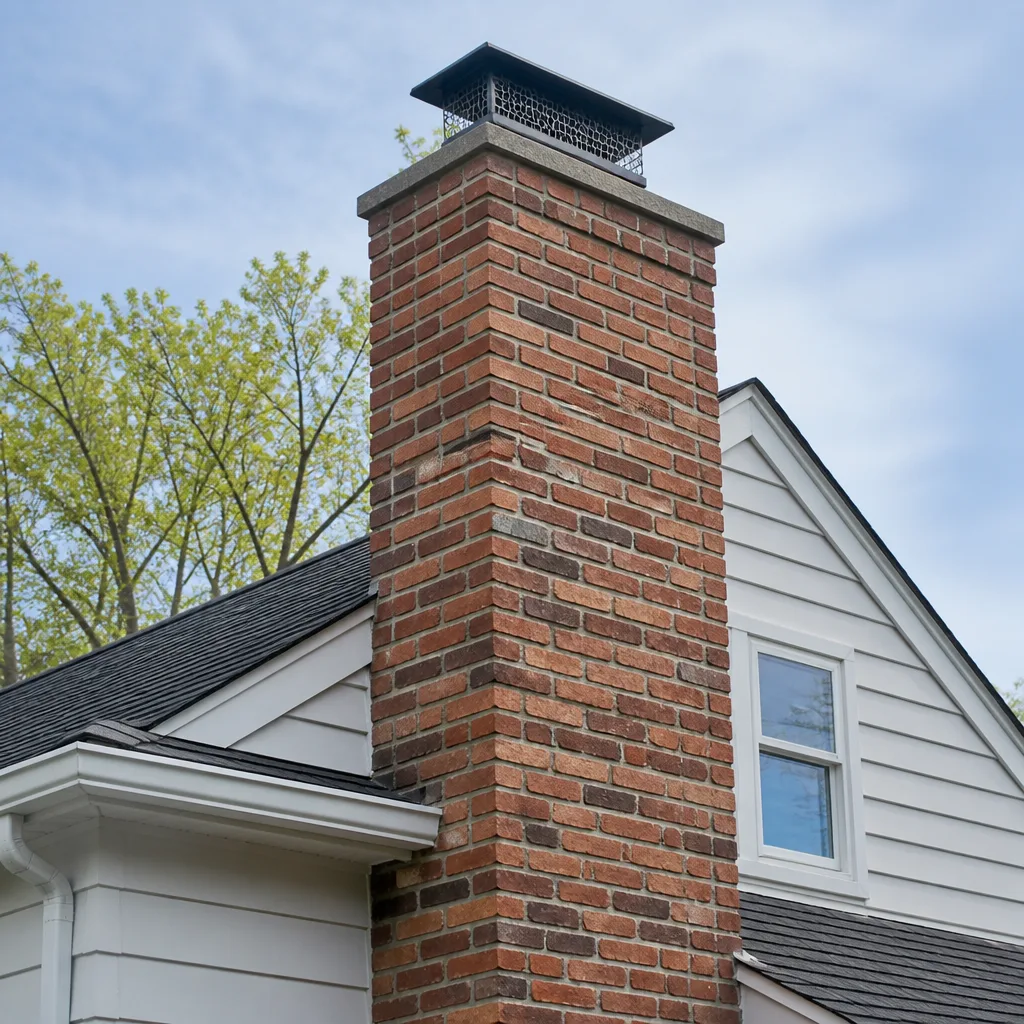
Level 1 sweep and inspection to the NFPA 211 annual standard - flue, crown, cap, and flashing checked and photographed
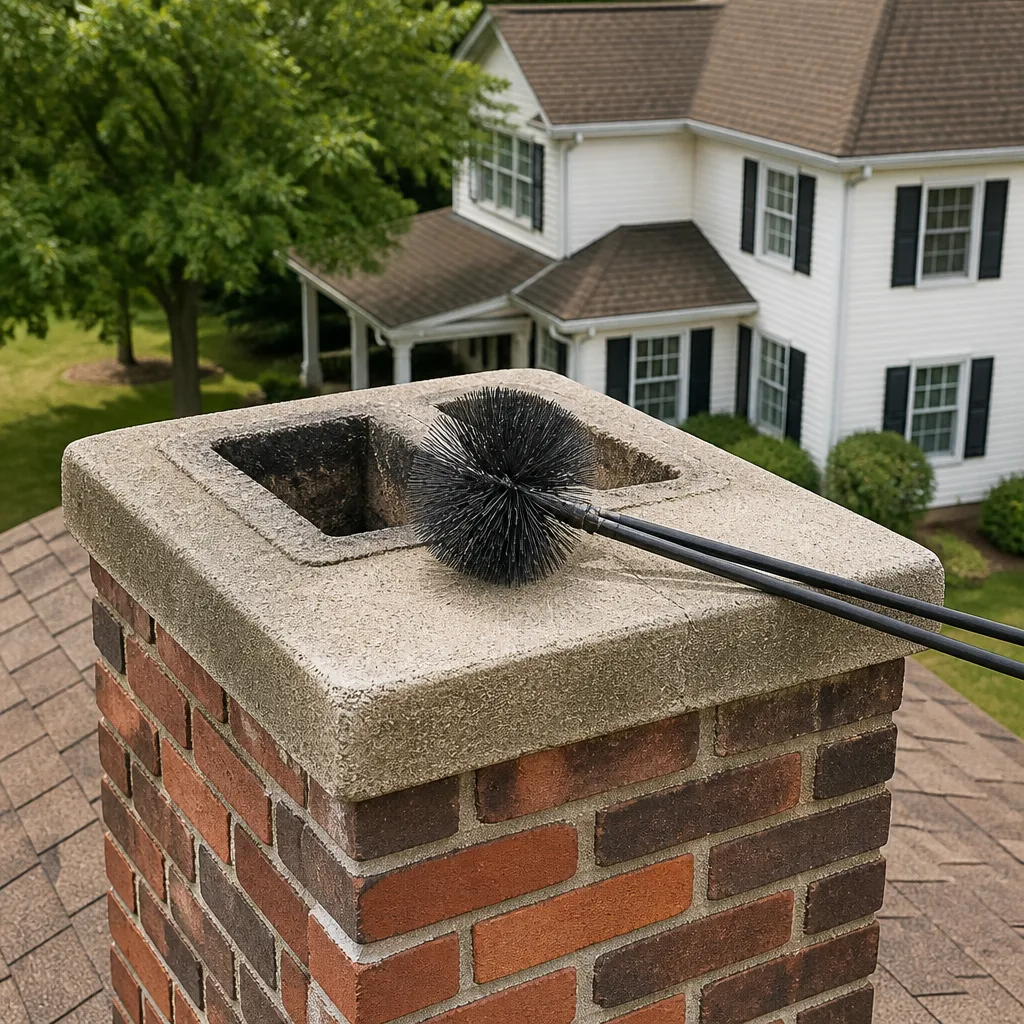
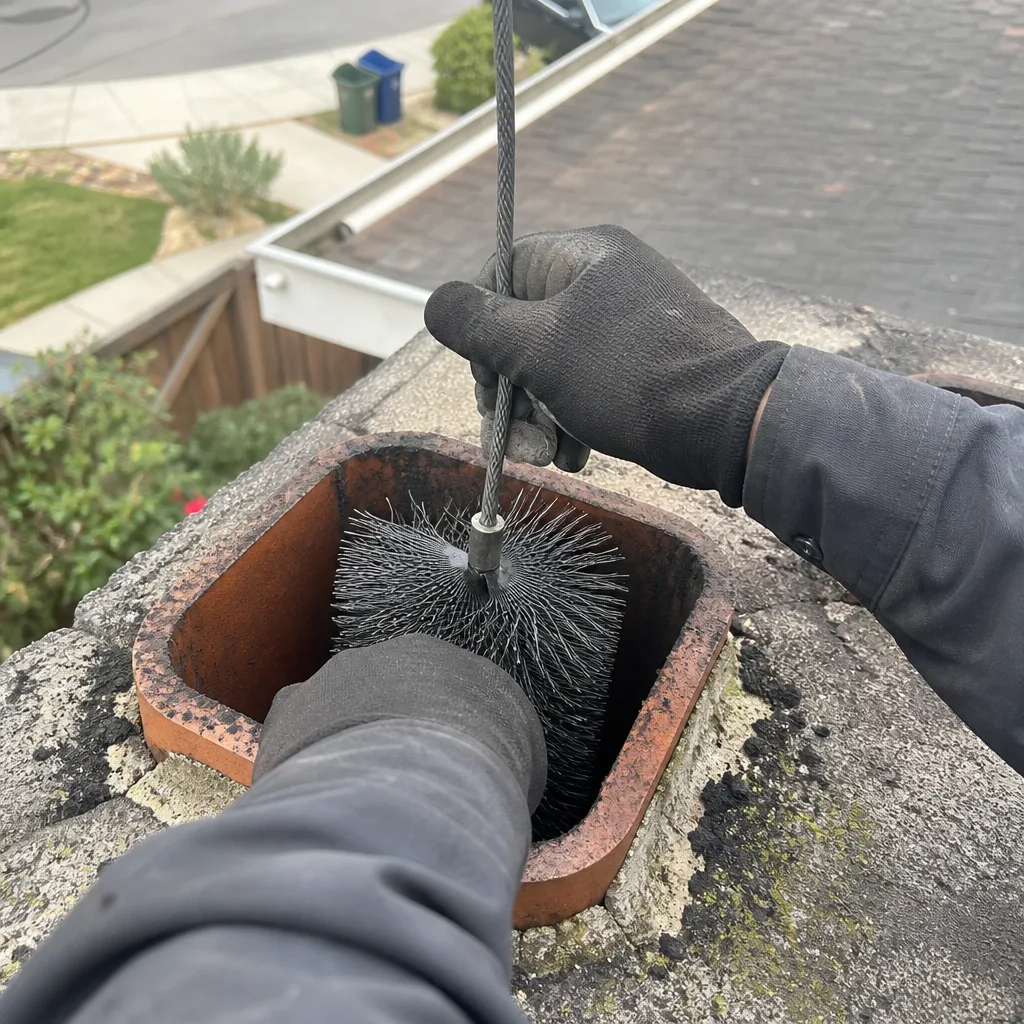
Chimney sweep logs do not sweep chimneys. They loosen some creosote - which then falls where a brush and vacuum still have to collect it.
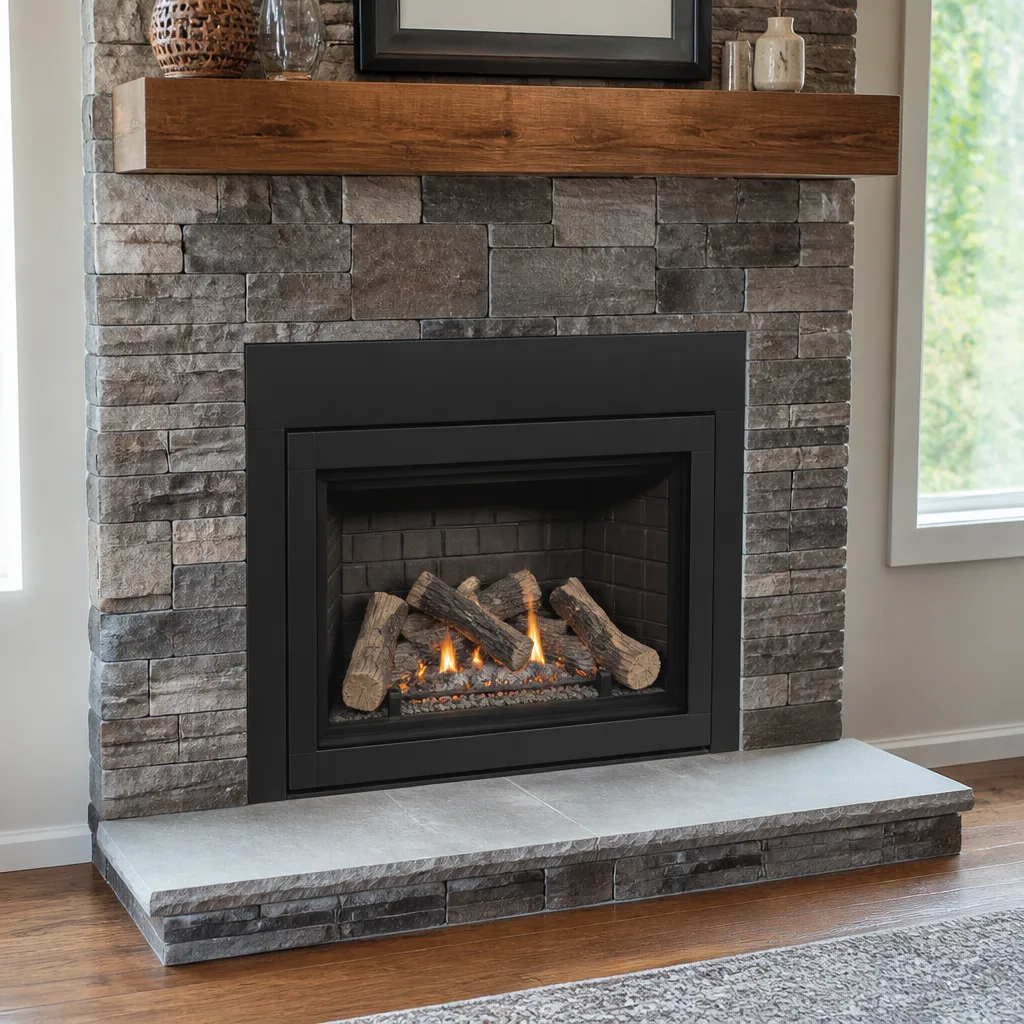
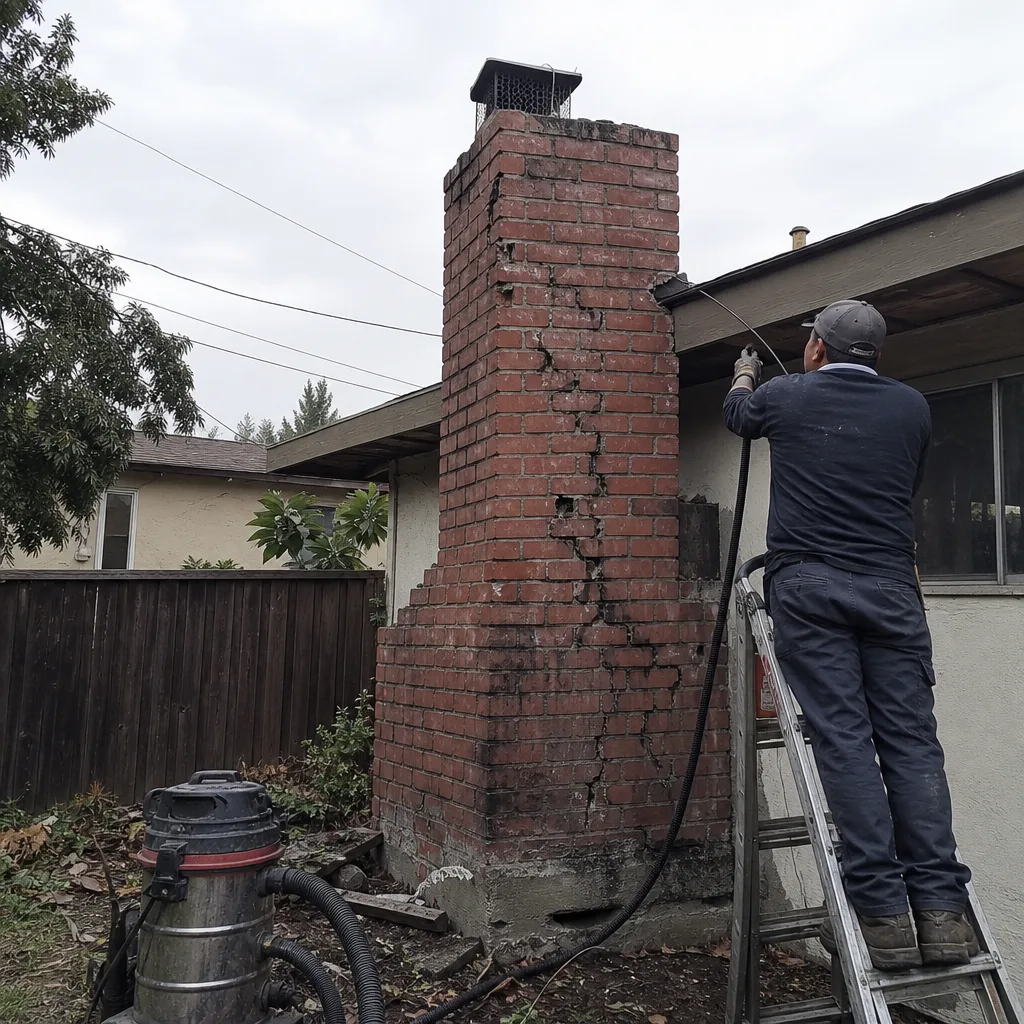 Before
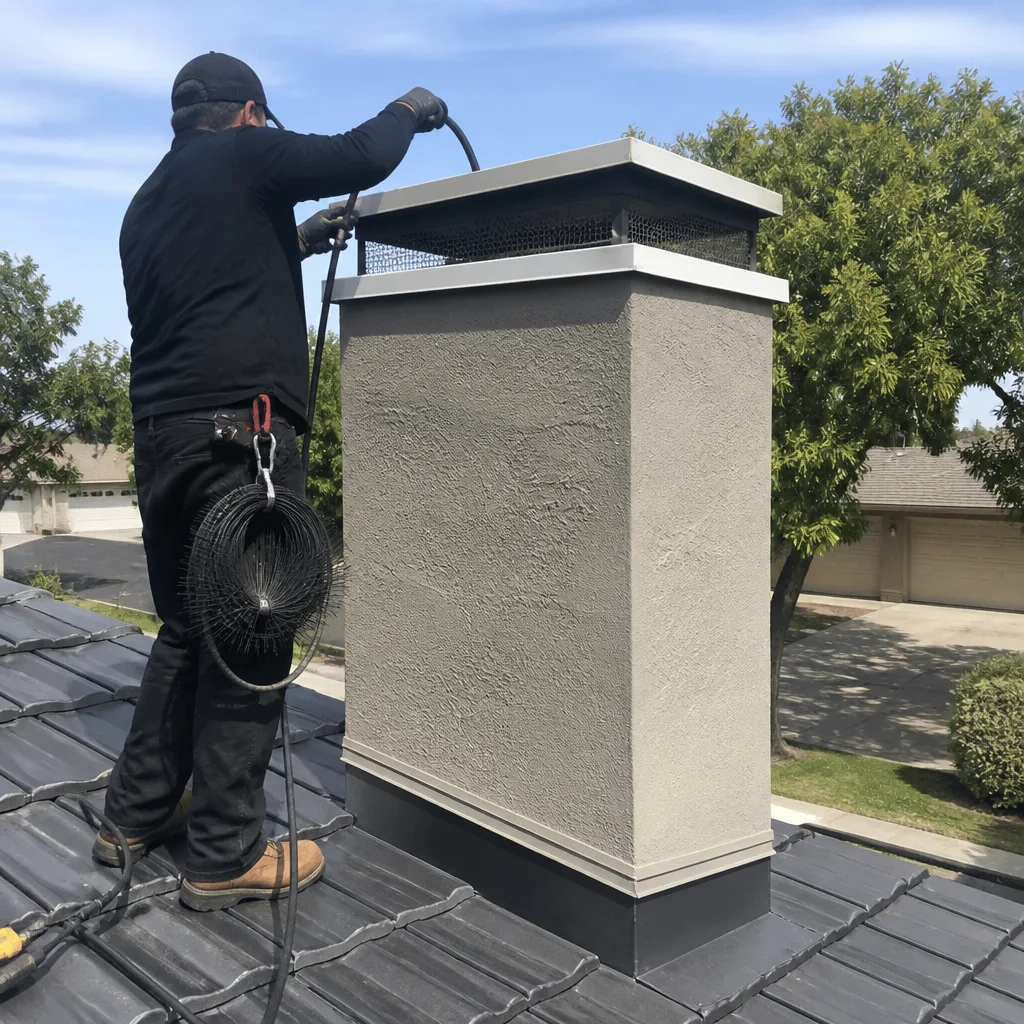 After
After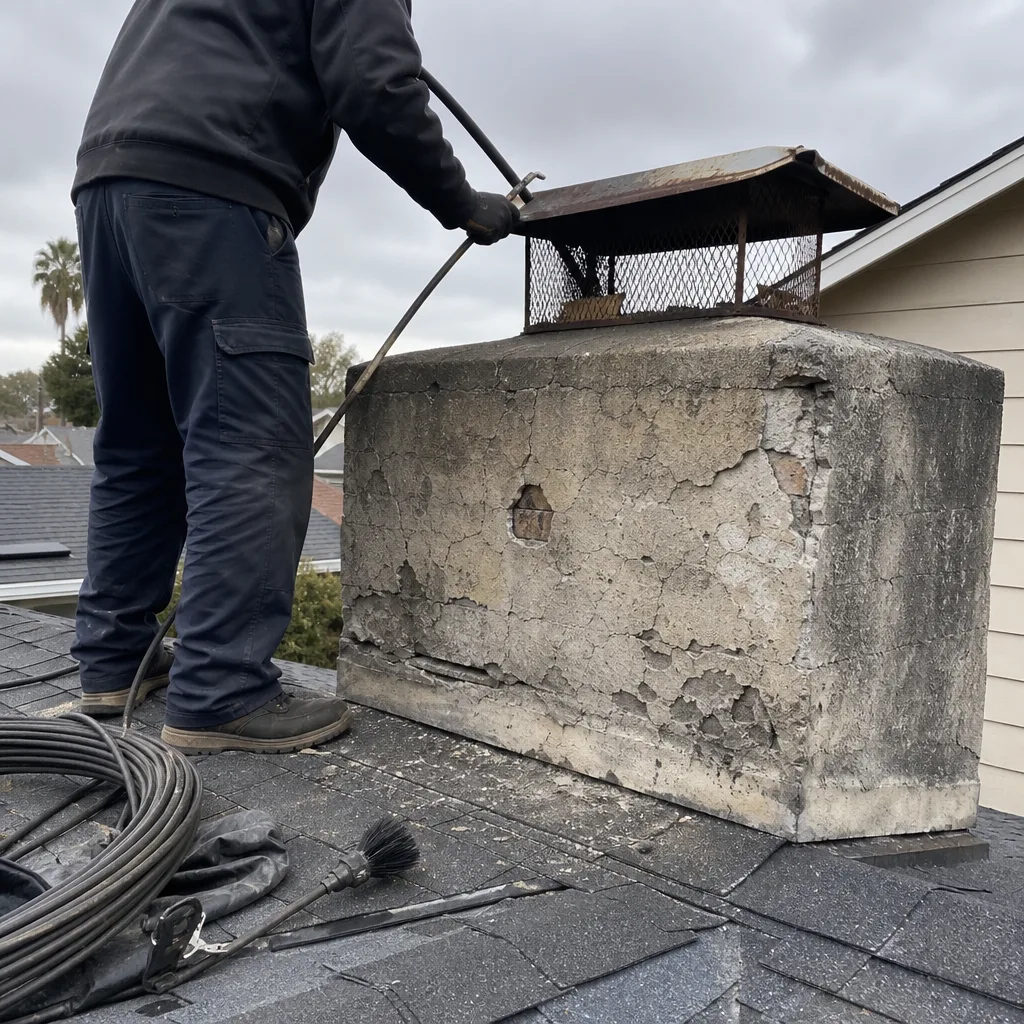 Before
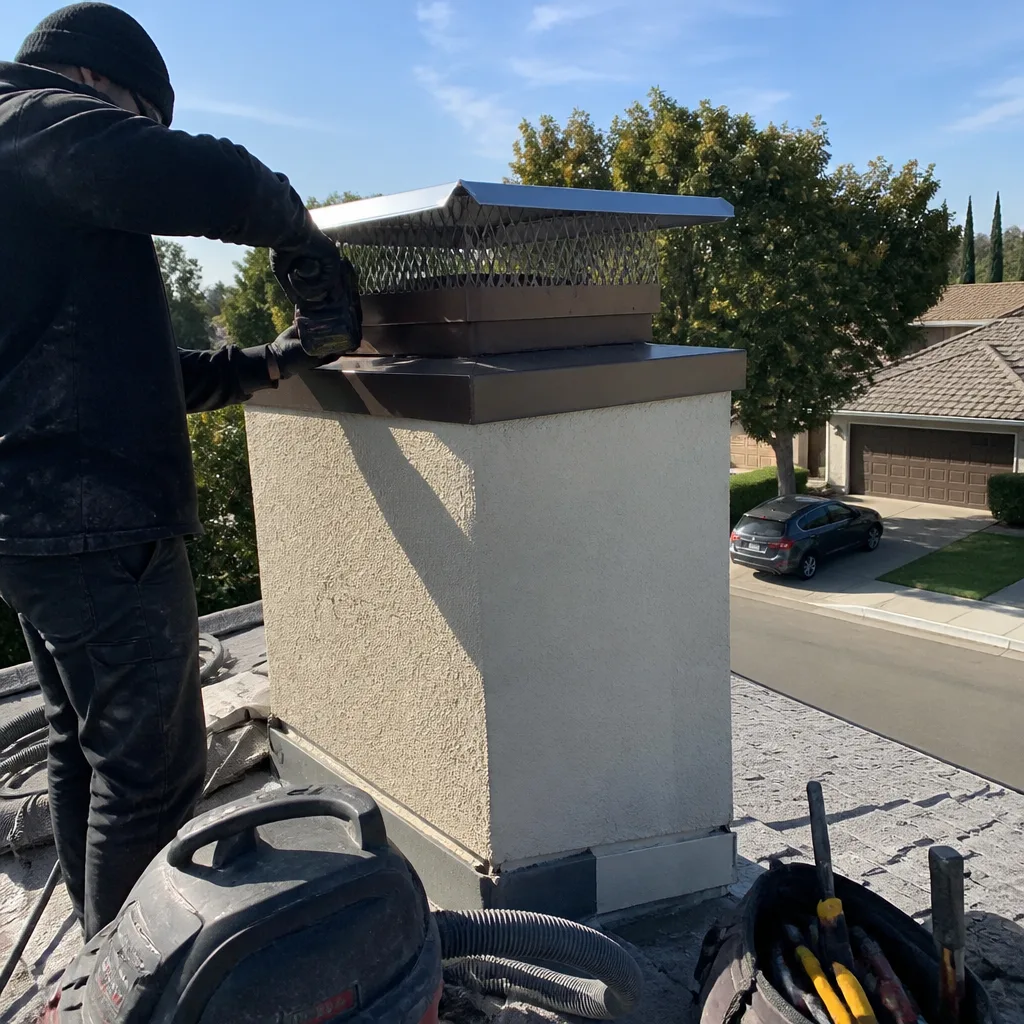 After
After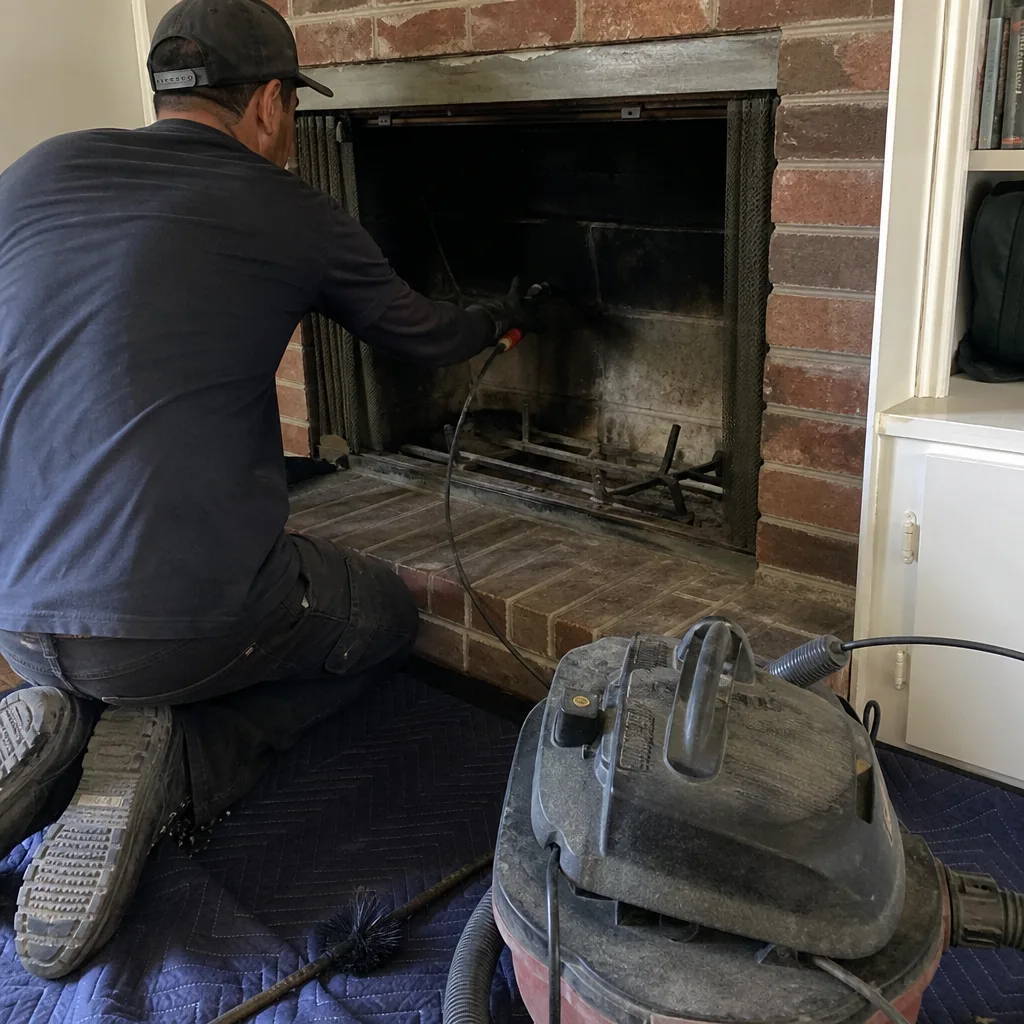 Before
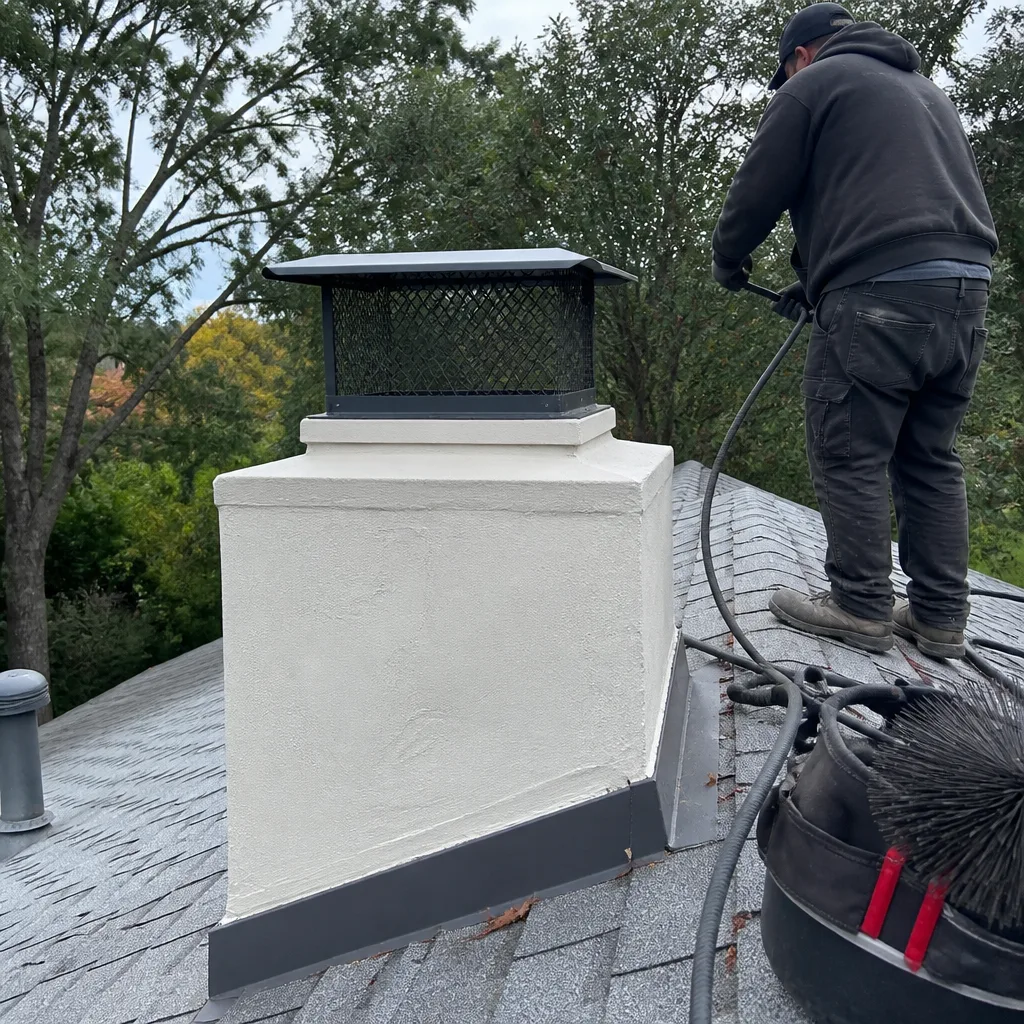 After
AfterHeatShield Chimney Cleaning & Sweep in Santa Clara: What to Know First
We provide independent HeatShield chimney cleaning and sweep service in Santa Clara, typically booking within 3-5 business days during peak season and 1-2 weeks in summer. A standard HeatShield flue cleaning with Level 1 inspection runs $245-$385; a Level 2 camera inspection with full creosote evaluation runs $385-$525, and you’ll get a written price before we schedule any work. We are not affiliated with or authorized by HeatShield - we are an independent HeatShield service provider - which means we source parts through Haven’s buying network and warranty our labor under our own 365-Day Done Right Promise.
This page is for Santa Clara homeowners with HeatShield Cerfractory Foam, HeatShield Joint Repair System, or HeatShield Flue Seal liners installed in their chimney. If you’re unsure which product you have, we’ll identify it during inspection and show you the camera footage so you can see what we’re seeing. Call (650) 229-6358 to book or get your written estimate.
How HeatShield Products Fail - and How We Fix Them
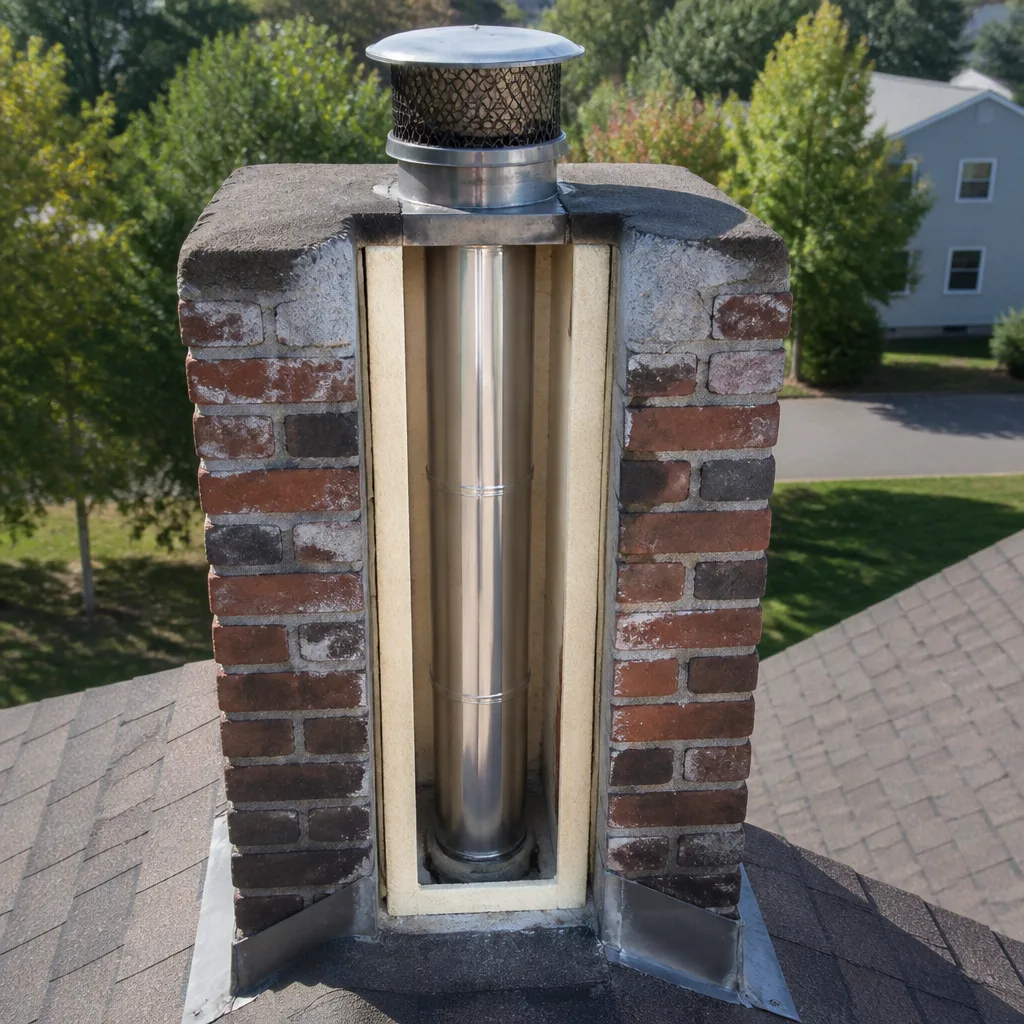
- Cerfractory Foam liner shrinkage and cracking. The Cerfractory Foam system, common in Santa Clara homes built between 1985 and 2005, shrinks as it ages, especially where the Santa Clara Valley’s clay-heavy soil causes minor foundation settling that stresses the chimney structure. We find radial cracks near the smoke chamber junction in roughly 30% of Cerfractory installations over 15 years old. Our fix: camera-mapping the crack pattern, then either Cerfractory Foam resurfacing (if substrate is sound) or partial relining with DuraFlex if the steel base has corroded underneath.
- Joint Repair System mortar degradation from condensing gas appliances. HeatShield’s Joint Repair System relies on a specialized refractory mortar that breaks down faster when paired with high-efficiency gas inserts - a mismatch we see frequently in Northside Santa Clara near the university, where 1990s-era masonry fireplaces got retrofitted with direct-vent gas units. The acidic condensate eats the joint compound from the inside. We remove the degraded material with mechanical brushing, reapply HeatShield-compatible refractory mortar, and verify with a draft test and camera pass before we leave.
- Flue Seal delamination in exterior chimneys. HeatShield Flue Seal, a spray-applied ceramic coating, separates from clay flue tiles when subjected to thermal cycling - the daily heat-up, cool-down rhythm. Santa Clara’s mild winters mean some homeowners run fires only on weekends, which is actually harder on Flue Seal than daily use because the material never reaches stable temperature. We find flaking and bubbling in the upper third of the flue most often. Treatment: rotary stripping to bare tile, then reapplication with proper cure time, or conversion to a stainless liner if the underlying clay is spalled.
- Smoke chamber parging failure in HeatShield-treated systems. The smoke chamber - the funnel-shaped area above the firebox - often gets parged with HeatShield material during initial installation, but Santa Clara’s seismic activity and the resulting micro-movements in chimney structures cause this parging to crack and fall away. A failed smoke chamber parging creates turbulence that deposits creosote unevenly and can push smoke into the living space. We re-parge with HeatShield-compatible refractory mix or, for severe cases, install a stainless smoke chamber liner from Olympia Chimney.
- Improper original application trapping moisture. HeatShield products require specific ambient temperature and humidity during application. We’ve found installations in Santa Clara’s late-fall construction rush where the material was applied in conditions outside spec - usually too damp - leading to a chalky, porous surface that soaks up creosote instead of shedding it. The fix is full removal and reapplication under controlled conditions, documented with photos at each stage per Haven Standard Clause 4.
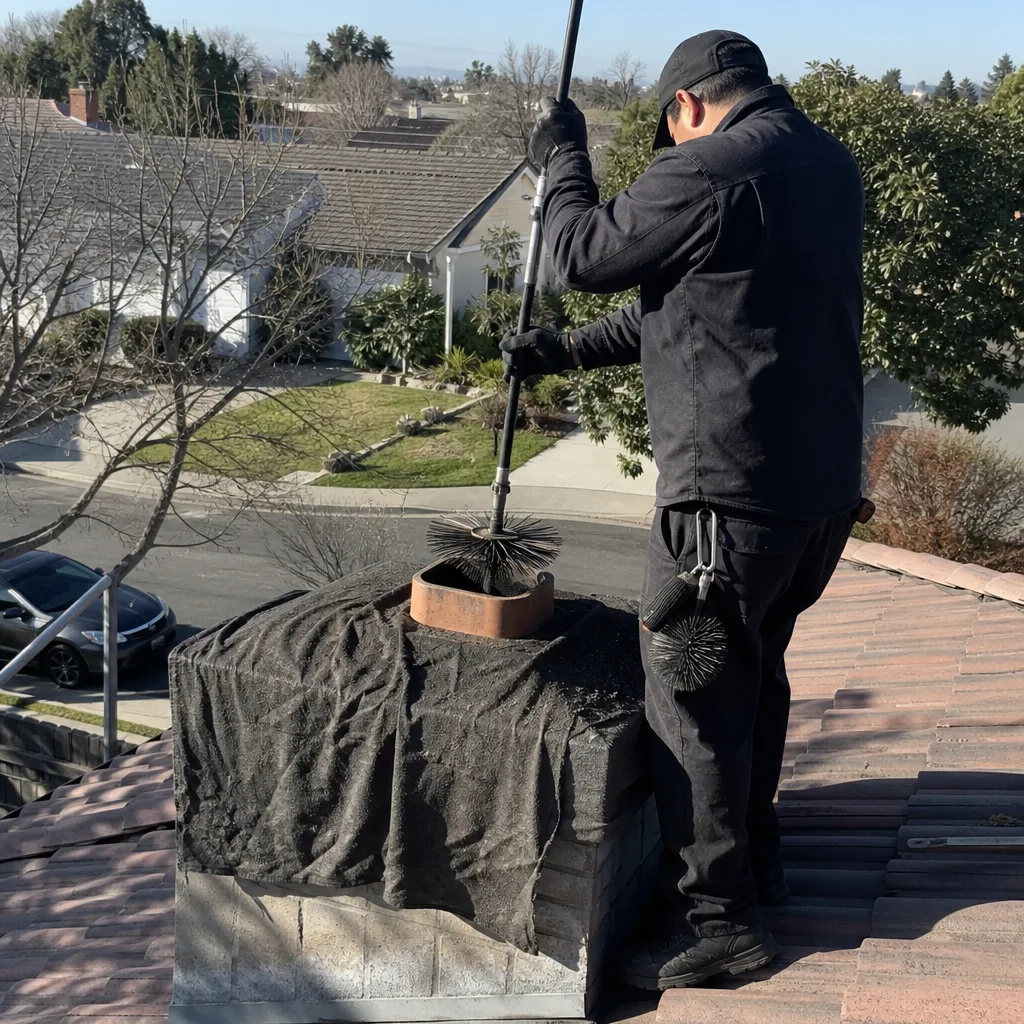
Our HeatShield Chimney Cleaning & Sweep Process
- 1
Call and scheduling. A live person answers - no voicemail tree. We ask about your HeatShield product if you know it, your fireplace type, and any symptoms (odor, draft issues, visible debris). We book a two-hour window and text when your tech is en route.
- 2
Arrival and Level 1 or Level 2 inspection. Your tech arrives uniformed with license visible. We lay protection, then run a camera down the flue. For HeatShield systems, we’re looking specifically for coating integrity, joint condition, and any exposed substrate. The camera doesn’t soften what it finds - and neither do I.
- 3
Written price before work. We show you the footage, explain what we found in plain terms, and deliver a written price with scope and warranty before any work begins. Haven Standard Clause 1: have it in writing. No exceptions.
- 4
Cleaning and repair execution. For standard sweep: rotary brushing with poly or steel whip matched to your HeatShield liner type, HEPA vacuum containment, and debris bagging. For repairs: OEM HeatShield materials or quality aftermarket equivalents sourced through Haven’s network - we’ll explain which and why.
- 5
Post-work verification and documentation. Second camera pass to confirm clean flue and sound repairs. Draft test where applicable. You receive a photo record, written scope, and warranty documentation. Haven Standard Clause 4 requires this archive; we’ve done it on every job since 2009.
- 6
Cleanup and follow-up. We haul debris, remove protection, and leave the work area as we found it. The 365-Day Done Right Promise is stamped on your paperwork. Call us if anything seems off - we make it right.
 Before
 After
AfterWhat HeatShield Chimney Cleaning & Sweep Costs in Santa Clara
| Service | Typical Range | What Affects Price |
|---|---|---|
| Level 1 Inspection + Standard Sweep (HeatShield flue) | $245 – $385 | Flue height, creosote class (I vs. III), accessibility |
| Level 2 Camera Inspection + Sweep | $385 – $525 | Number of flues, roof access difficulty, documentation needs |
| HeatShield Joint Repair (localized) | $425 – $675 | Linear feet of joint, mortar type, cure time required |
| Cerfractory Foam Resurfacing | $1,800 – $3,200 | Flue diameter, height, condition of steel substrate |
| Flue Seal Removal + Reapplication | $1,400 – $2,600 | Degree of delamination, underlying tile condition |
| Smoke Chamber Parging (HeatShield-compatible) | $850 – $1,500 | Chamber size, access, material volume |
What moves the price: flue height above one story, Class III glazed creosote requiring chemical pretreatment, and exterior chimney access requiring ladder work rather than interior cleanout. We also service DuraFlex and Gelco systems, and can quote compatible alternatives if your HeatShield product is discontinued or uneconomical to repair.
Every estimate is free, delivered in writing, and comes with no obligation. Call (650) 229-6358 for yours.
Why Santa Clara Homeowners Call Level Two Chimney Santa Clara for HeatShield Work
We’ve completed more than 38,000 chimney inspections and cleanings since 2009, every one with a written price before work started and a documented record when finished. Corrine Halstead and her crew have been working Santa Clara for years, including regular jobs in the Northside neighborhoods near Santa Clara University where older gas inserts get mistaken for wood-burning units more often than most homeowners expect.
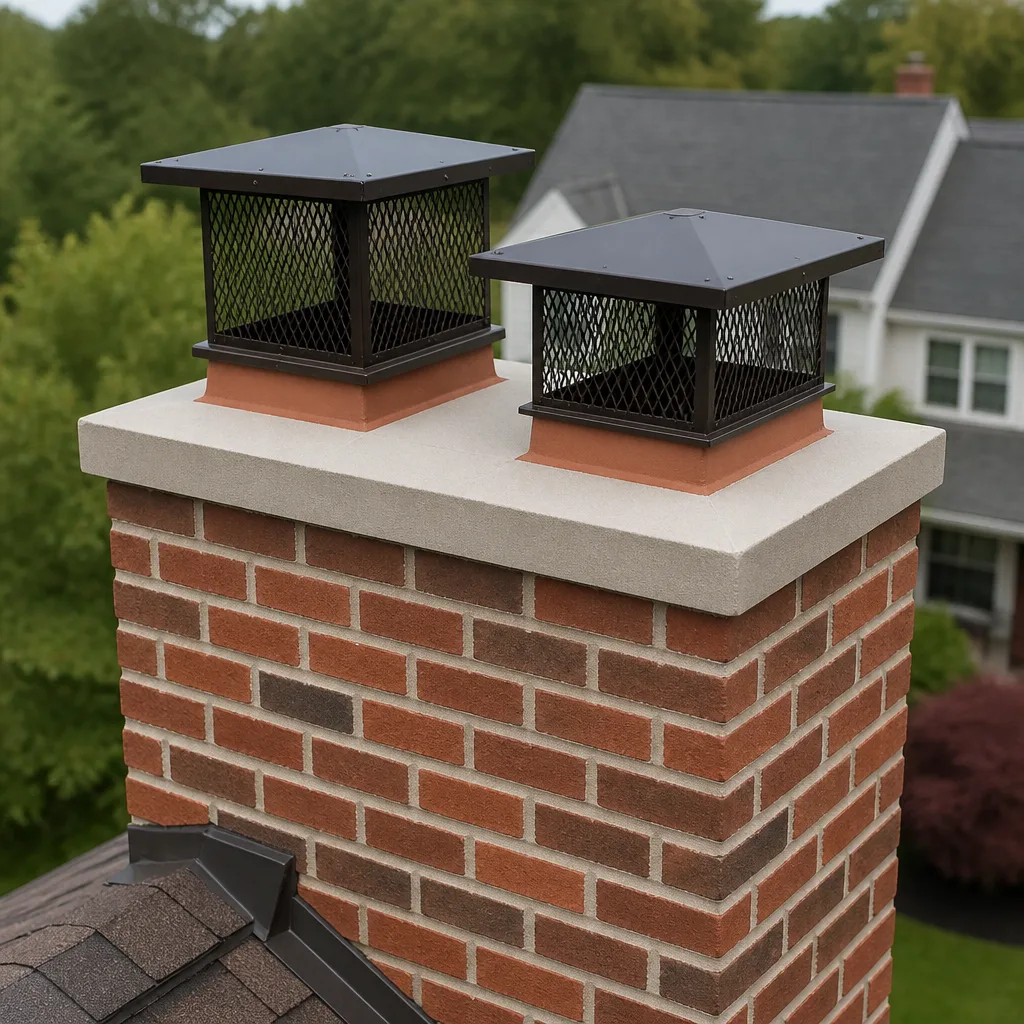
Our technicians are background-checked and uniformed, with license number displayed on every page and every truck. We source HeatShield-compatible materials through Haven’s buying network alongside DuraFlex, Gelco, Olympia Chimney, Famco, and Copperfield - not because we carry every brand, but because we refuse to be locked into a single supplier when a better-fit solution exists for your specific flue condition.
The 365-Day Done Right Promise covers every job. The Free Second Opinion on any written estimate stands if you’re comparing quotes. And Clause 4 of the Haven Standard means you walk away with photos, not promises.
FAQs
No, routine chimney cleaning and sweep by a qualified professional does not void HeatShield’s product warranty, though warranty claims for material defects must go through your original installer or HeatShield directly. As an independent HeatShield service provider, we document our work with photos and written scope so you have evidence if a warranty issue arises later. Call (650) 229-6358 if you need help interpreting your warranty paperwork.
We source both OEM HeatShield materials and quality aftermarket equivalents through Haven’s buying network, and we tell you which we’re using and why before we start. Some HeatShield repair jobs spec Cerfractory Foam that only HeatShield produces; others can use compatible refractory mortars from Olympia Chimney or Copperfield at lower cost with equivalent performance. The written scope names the exact material - no substitutions without your approval.
The camera shows the difference. A cleanable liner has intact coating, sound joints, and no exposed substrate; a liner needing repair shows cracks, delamination, or spalling that would worsen with brushing alone. We show you both conditions on screen during inspection and explain whether the issue can wait or needs immediate attention. Nothing is recommended without camera evidence you can see for yourself.
NFPA 211 recommends annual inspection for all chimney systems, with cleaning frequency based on use and creosote accumulation. In Santa Clara’s mild climate, where many homeowners burn only occasionally, we often find Class I flaky creosote that’s easily removed - but we also find neglected systems with Class III glazed buildup that requires chemical pretreatment. Annual inspection catches the difference before it becomes a hazard.
Skipped cleanings allow creosote to accumulate, and on HeatShield liners specifically, heavy buildup can mask coating degradation until the underlying failure is advanced. A HeatShield flue with hidden joint separation and a thick creosote layer is a chimney fire risk and a carbon monoxide path into the home. The camera finds what the eye cannot; we recommend annual inspection so you’re not guessing. Call (650) 229-6358 to schedule - estimates are free.
Ready to see what your flue actually looks like? Call (650) 229-6358 to book your HeatShield chimney cleaning and sweep in Santa Clara. We’ll bring the camera, show you the footage, and give you a written price before any work starts. No voicemail, no web form, no surprises.
Written by Corrine Halstead, Owner, Level Two Chimney Santa Clara at Level Two Chimney Santa Clara, serving Santa Clara and nearby areas.