
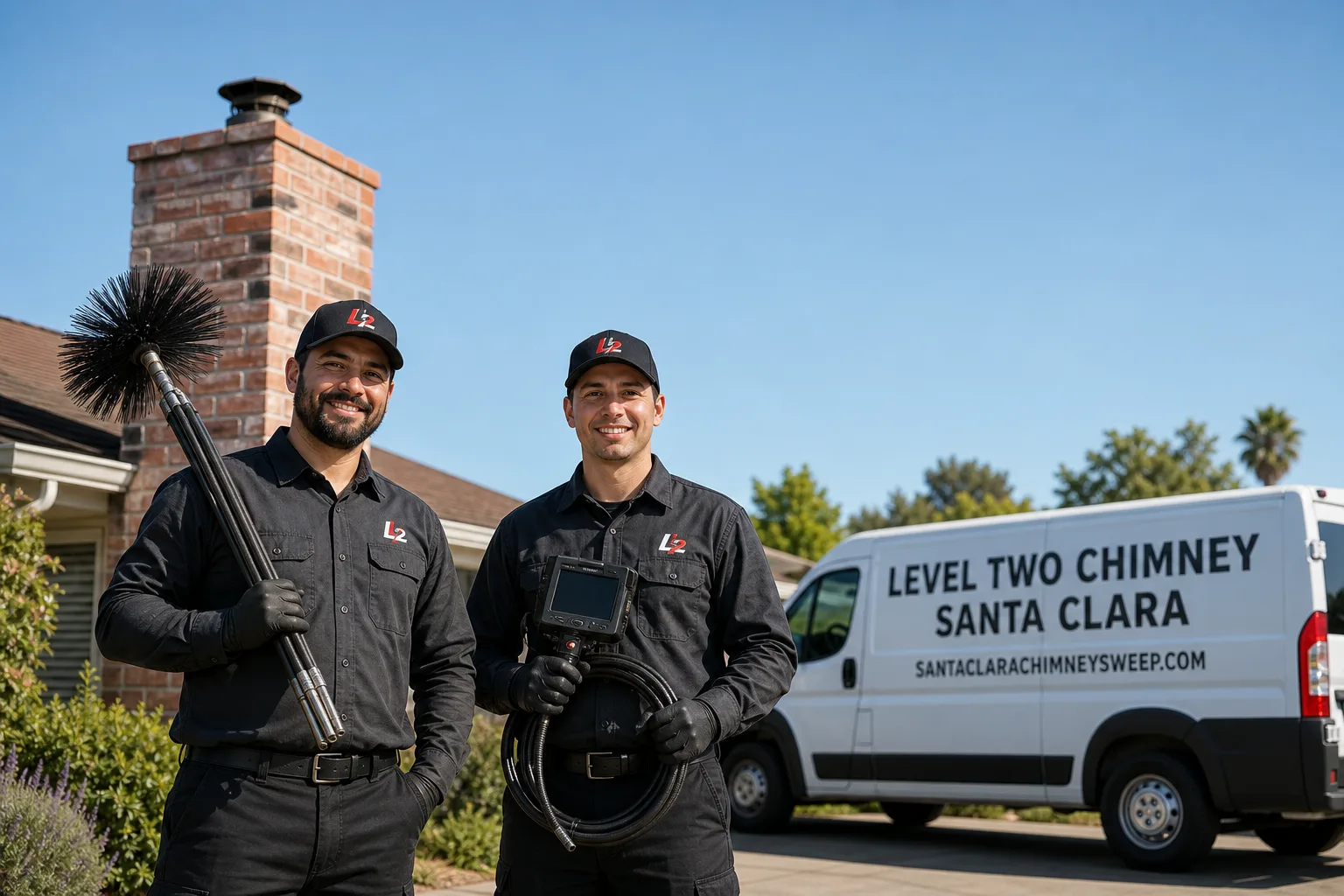
Level 1 sweep and inspection to the NFPA 211 annual standard - flue, crown, cap, and flashing checked and photographed
Chimney sweep logs do not sweep chimneys. They loosen some creosote - which then falls where a brush and vacuum still have to collect it.
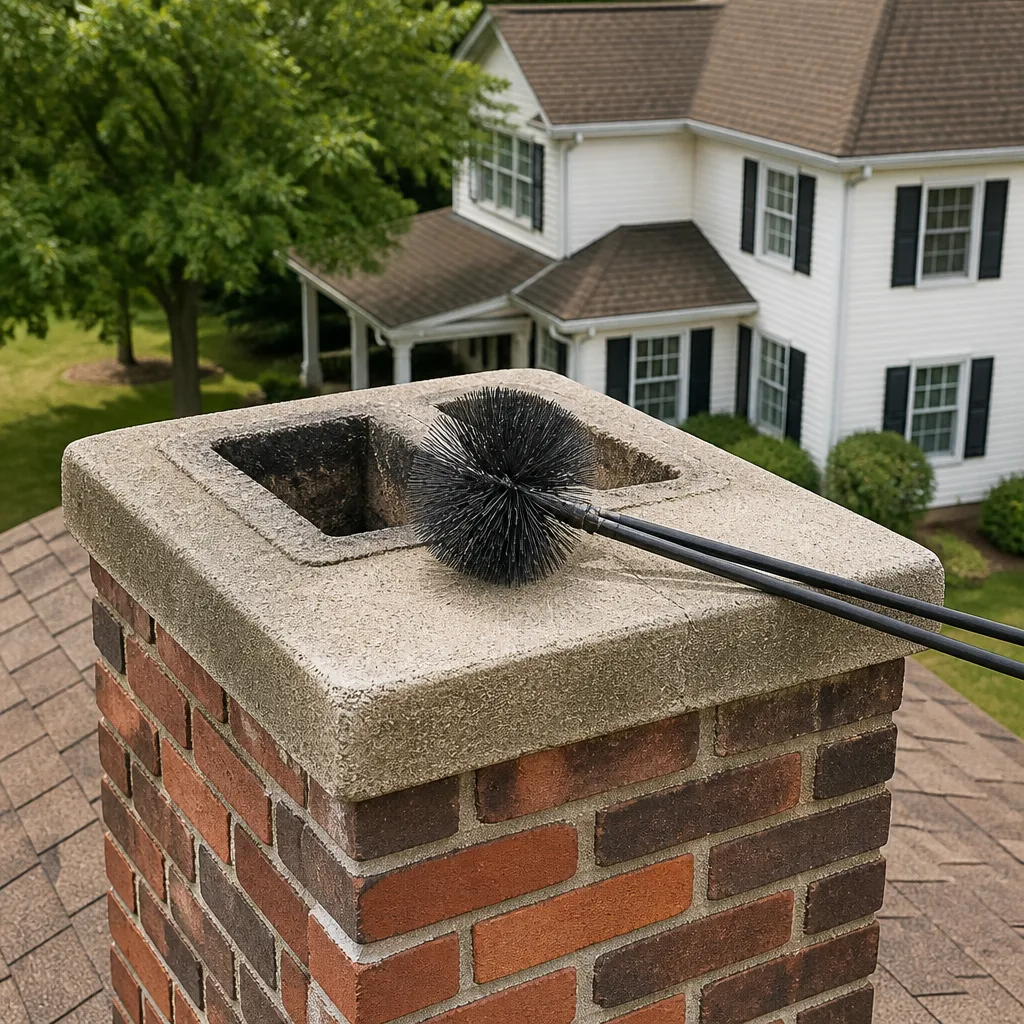
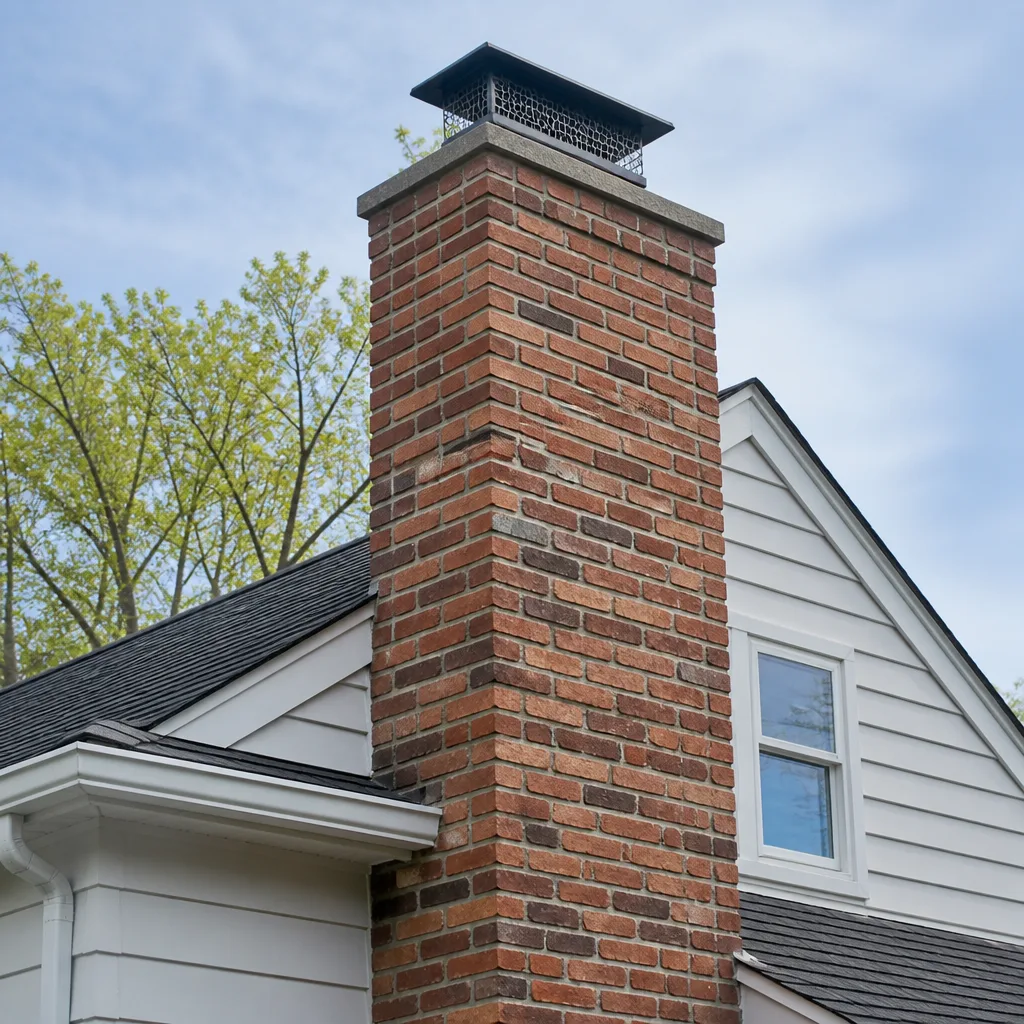
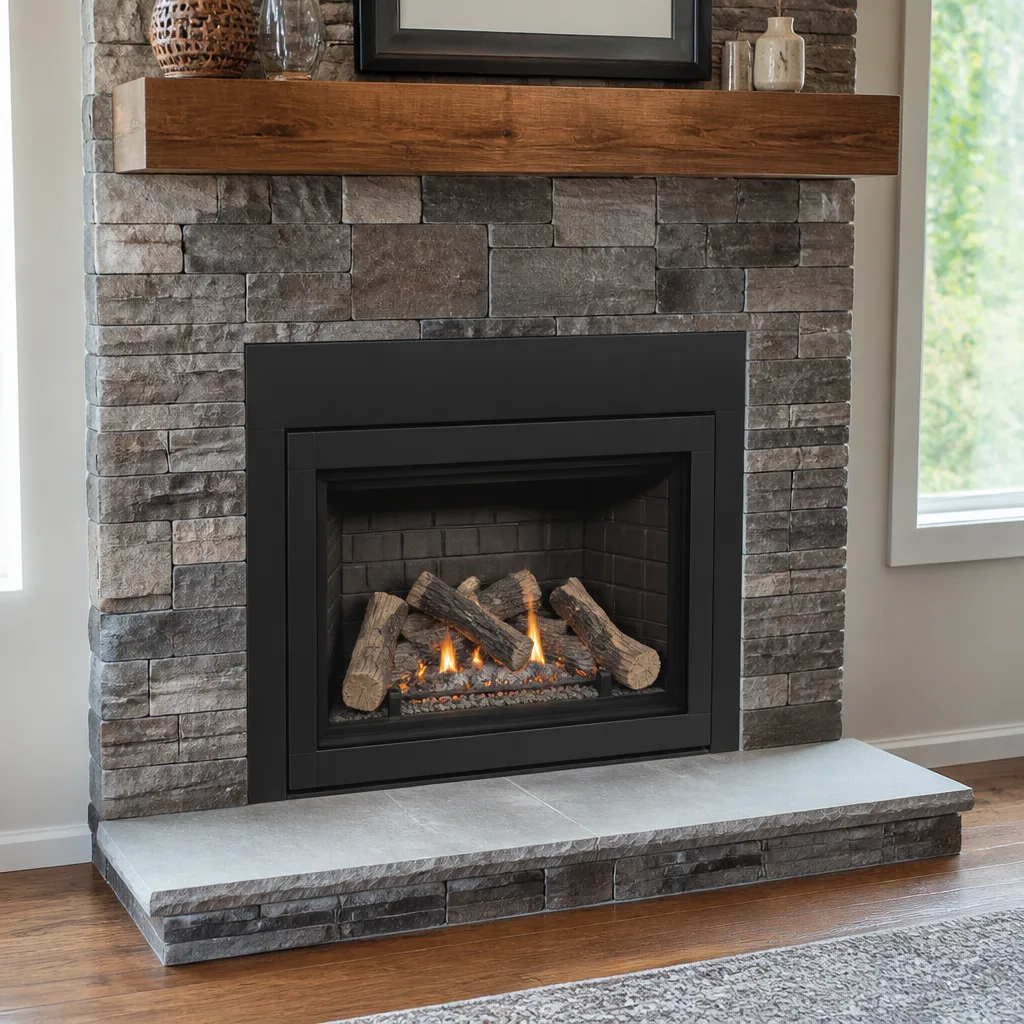
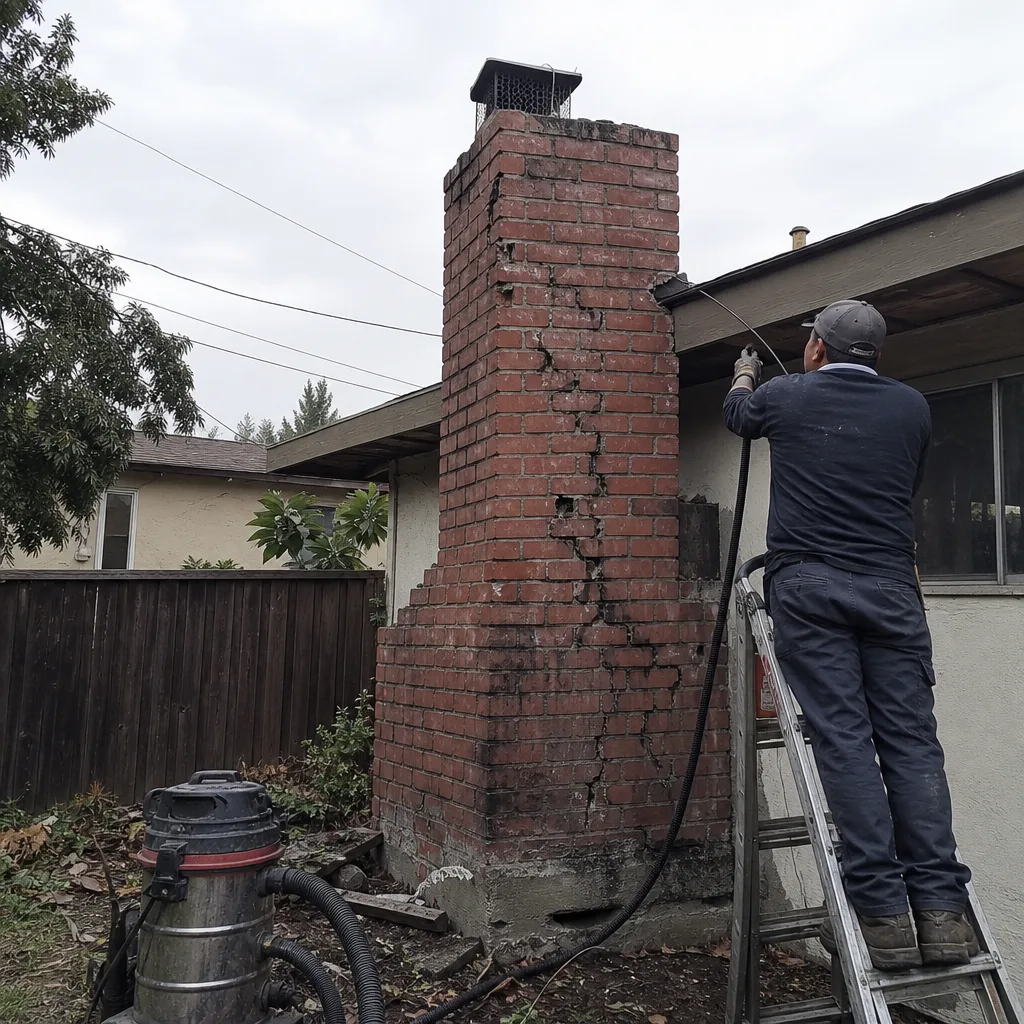 Before
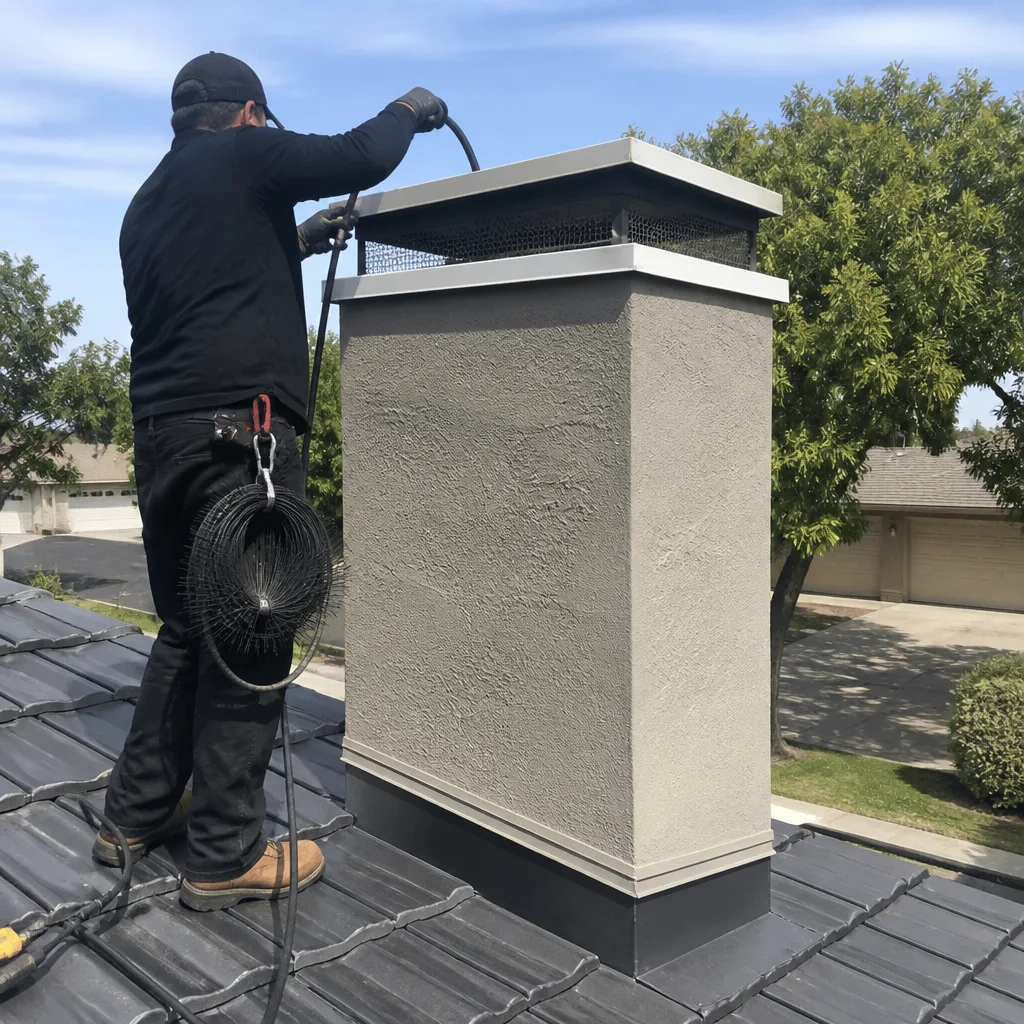 After
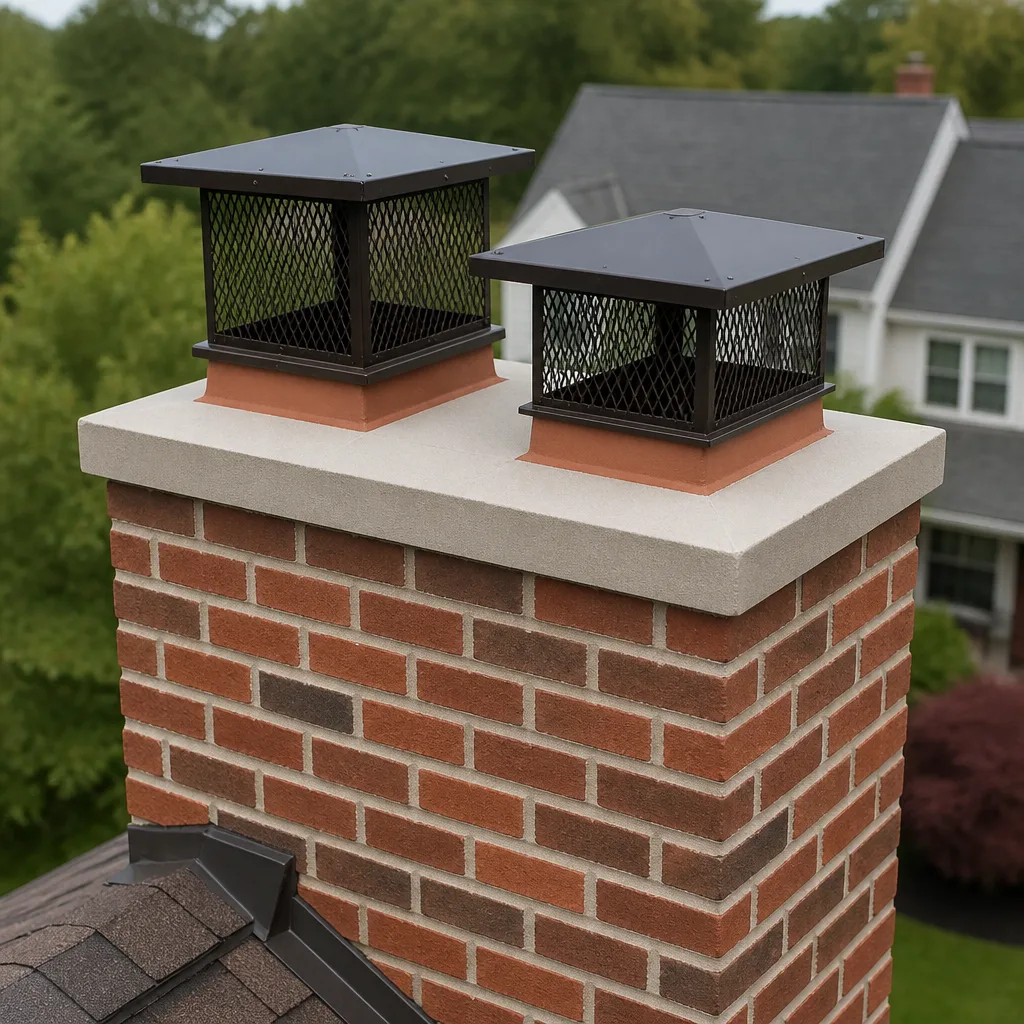
After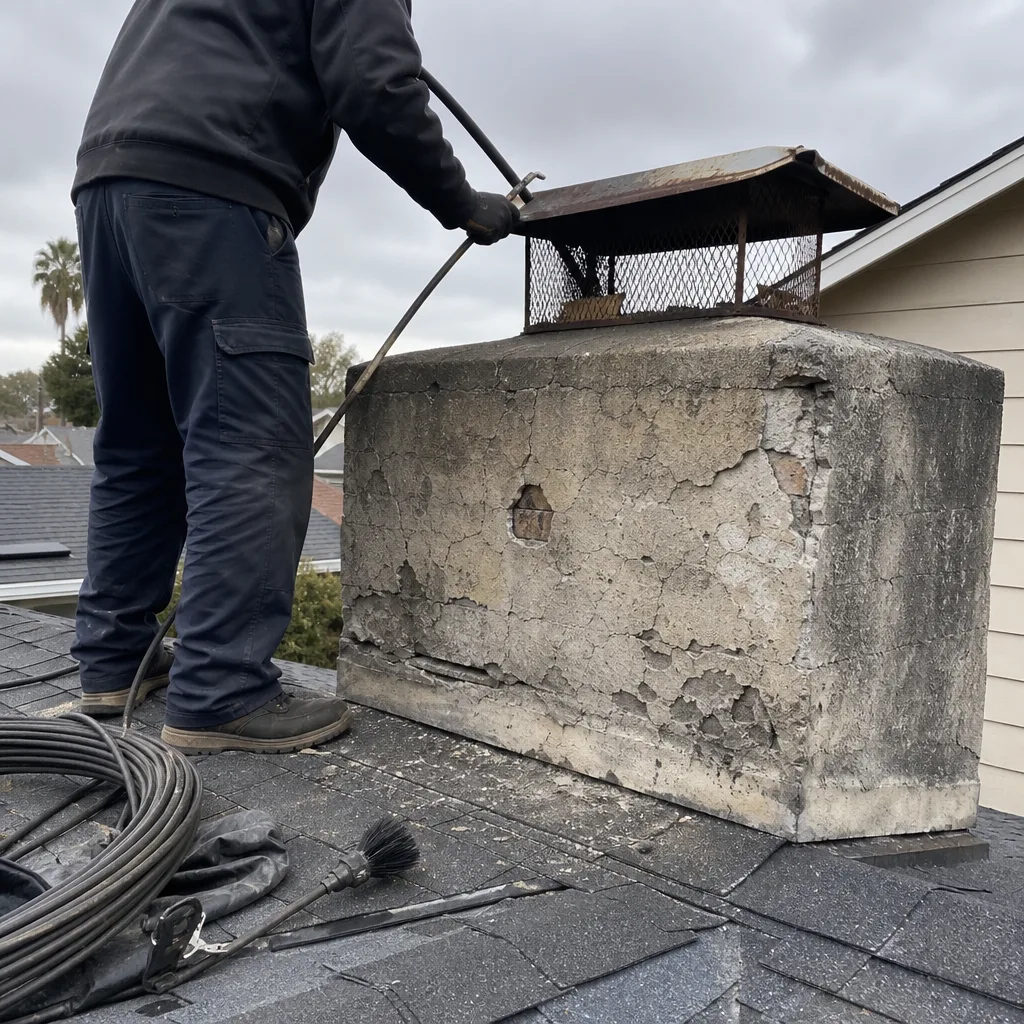 Before
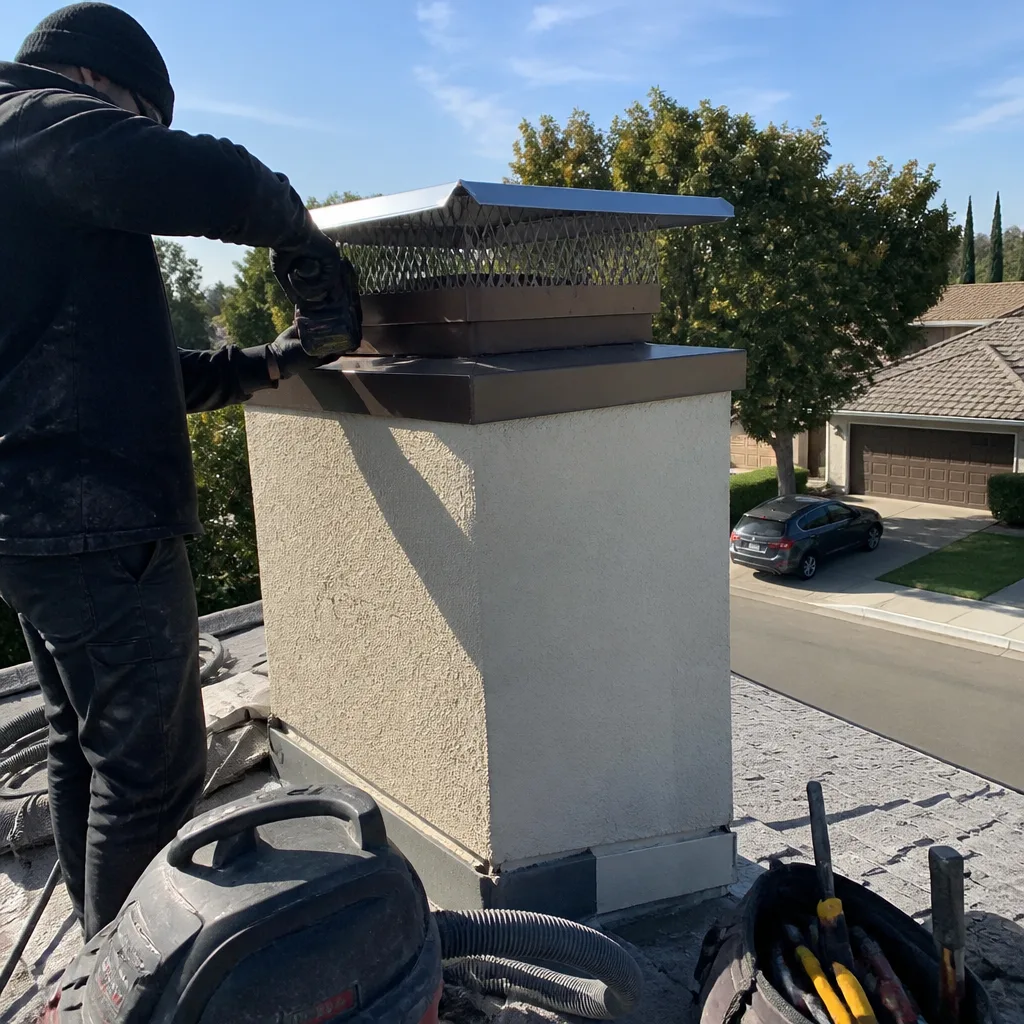 After
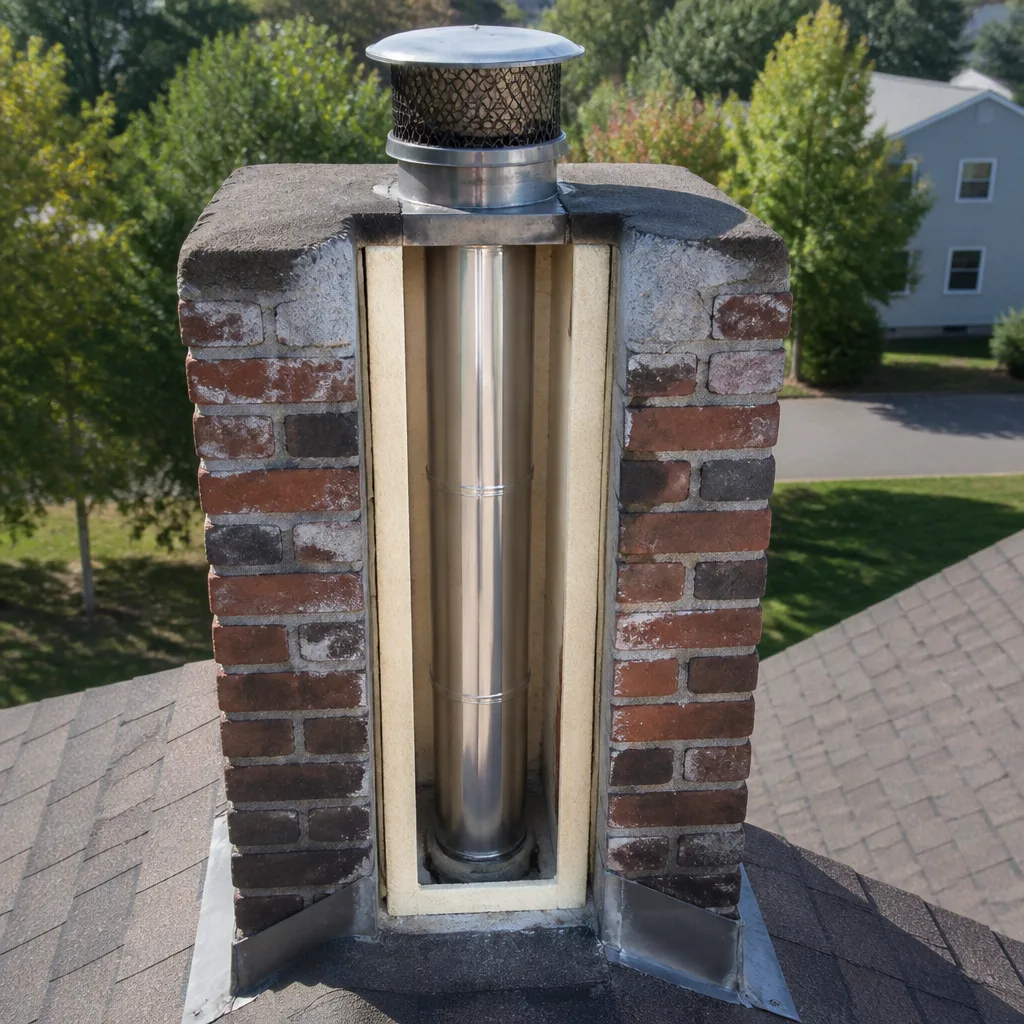
After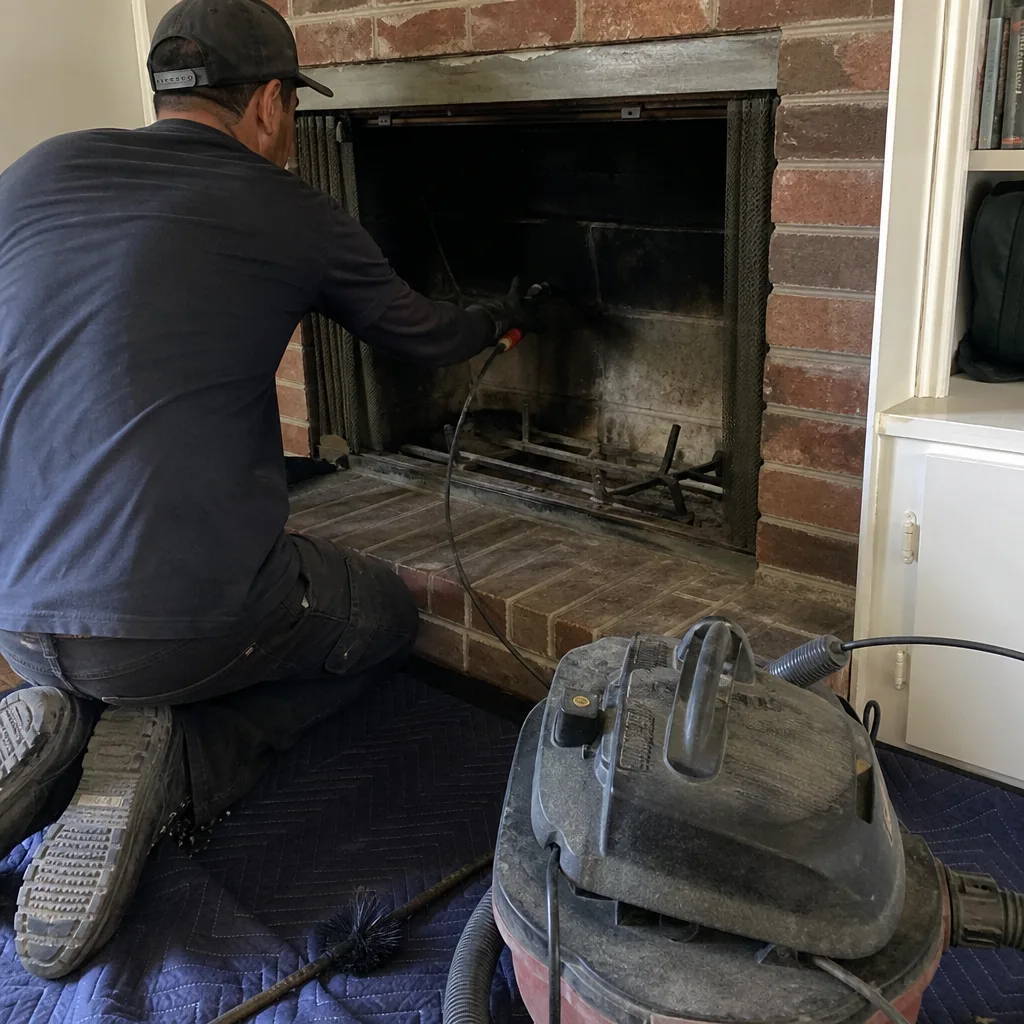 Before
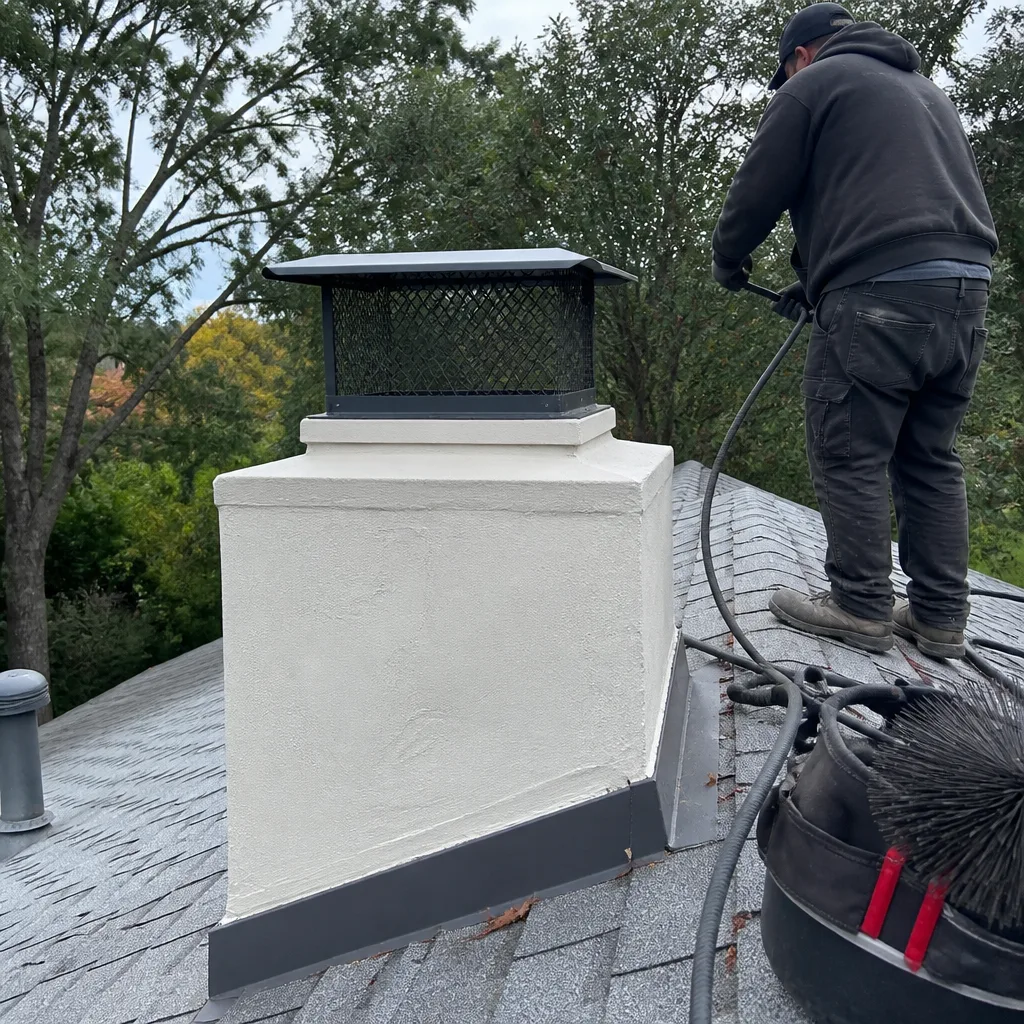 After
AfterHow Much Does Chimney Liner & Rebuild Cost in Santa Clara?
Our Chimney Liner & Rebuild services in Santa Clara, CA typically run $1,400 to $6,800 depending on flue height, liner material, and how much masonry work the job requires. A stainless steel liner for a single-story home averages $1,400 to $2,800, while a full masonry rebuild on a two-story chimney can reach $4,500 to $6,800 or higher. Every job at Level Two Chimney Santa Clara starts with a written price before any work begins – no estimates that change once we’re on the roof.
Chimney Liner & Rebuild Cost Breakdown (2026)
These are real dollar ranges reflecting what Santa Clara homeowners are paying in 2026. Labor rates here run higher than the national average – Bay Area crews, Bay Area costs. Material sourcing through Haven’s buying network keeps our prices honest, but we won’t pretend the market is cheap.
| Service | Typical Cost Range (Santa Clara, 2026) | Notes |
|---|---|---|
| Flexible stainless liner (6″ flue, single story) | $1,400 – $2,200 | Most common for gas appliance conversions |
| Flexible stainless liner (8″ flue, two story) | $2,000 – $2,800 | Wood-burning fireplaces typically need 8″ minimum |
| HeatShield flue resurfacing (partial) | $1,600 – $3,200 | Applied by brush or spray; good alternative when masonry is sound |
| HeatShield flue resurfacing (full liner) | $2,800 – $4,500 | Priced by linear foot; taller chimneys cost more |
| Cast-in-place liner system | $3,500 – $5,800 | Best for irregular or oval flues; adds structural integrity |
| Partial masonry rebuild (firebox / smoke chamber) | $1,800 – $3,400 | Spalled brick, deteriorated smoke chamber parging |
| Full exterior chimney rebuild (above roofline) | $3,800 – $6,800 | Includes crown, cap, flashing – common after earthquake damage |
| NFPA 211 Level 2 camera inspection (required pre-liner) | Included on every visit | Camera down the flue, photo record, written findings |
A few things push costs toward the top of those ranges in Santa Clara specifically. Many homes in neighborhoods like Sunnyvale-adjacent north Santa Clara and the older streets near Santa Clara University were built in the 1960s and 1970s with rectangular or oval terra cotta tile flues that have hairline fractures from decades of thermal cycling and at least two significant seismic events. A cracked tile liner doesn’t just reduce draft – it lets combustion gases migrate into the chase wall, which is a carbon monoxide pathway. When the camera scan finds that condition, a simple liner drop isn’t always the right call. Sometimes HeatShield resurfacing works; sometimes the tile is too far gone and a full liner replacement is the safer option. We describe exactly what the camera found, in plain language, before we quote anything.
Labor is the other variable. A single-story home in Santa Clara with good roof access might take a two-person crew half a day. A tall two-story with a steeply pitched roof, limited attic access, or a chimney offset at the second floor can double the labor hours. That’s not padding – it’s physics and safety.
What Affects Chimney Liner & Rebuild Pricing in Santa Clara
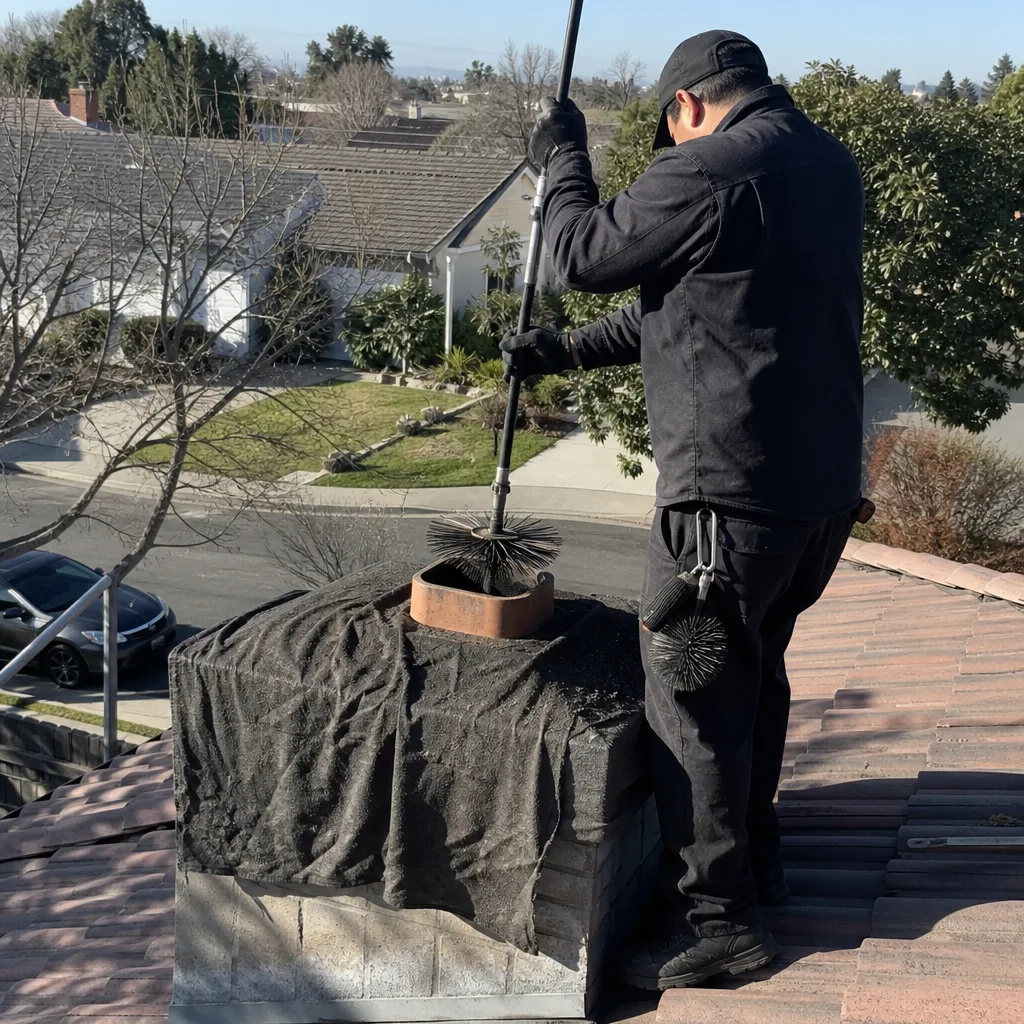
- Flue height and number of stories: Liner material is priced by the linear foot. Santa Clara’s mid-century ranch homes typically have 12-to-16-foot flue runs; two-story homes near Agnew or the Rivermark neighborhood often run 20 to 24 feet. Every extra foot adds material and installation time.
- Liner type and diameter: A 6-inch flexible stainless liner (standard for gas inserts) costs less than an 8-inch rigid system designed for wood-burning fireplaces. DuraFlex and Olympia Chimney both make quality stainless systems; we’ll tell you which one fits your appliance and flue geometry before you decide.
- Existing liner condition: If the terra cotta tile is intact and simply undersized for a new insert, dropping a stainless liner is straightforward. If the tile is actively spalling – shedding pieces into the smoke shelf – removal adds labor and sometimes requires partial masonry demolition before the new liner can go in.
- Seismic damage history: Santa Clara sits in a seismically active corridor. The 1989 Loma Prieta quake and the 2014 South Napa event both sent stress cracks through chimney crowns and mortar joints throughout the South Bay. We regularly find hairline fractures at the crown and corbeled sections that look fine from the ground but show clear separation on the camera. Repairing that damage before installing a liner is not optional – it’s part of doing the job correctly the first time.
- Rebuild scope: A partial rebuild addresses the firebox or smoke chamber only. A full rebuild above the roofline replaces the brick, mortar, crown, and cap. If the chimney leans or has lost structural integrity from moisture intrusion – common in homes near the Guadalupe River corridor where morning fog sits longer – the scope expands. We quote the full scope in writing before anyone starts.
- Permit requirements: Santa Clara’s building department requires a permit for chimney liner installations that involve structural work or changes to a fuel-burning appliance. Permit fees typically run $150 to $400 depending on the scope. We flag permit requirements in the written estimate so there are no surprises at final inspection.
- Access and roof pitch: Homes near the older Warburton Avenue corridor or Central Park area sometimes have complex rooflines or low overhangs that require additional staging. Steep or slippery tile roofs add safety setup time. That cost is itemized in the quote, not buried.
 Before
 After
AfterHow to Save on Chimney Liner & Rebuild
The single most effective way to avoid a large chimney bill is to catch problems before they compound. A liner with early-stage cracking costs less to address than one that has allowed moisture into the chase wall for two seasons. That sounds obvious, but in Santa Clara’s real estate market – where homes change hands quickly and inspection reports sometimes skim over chimney conditions – it’s common to see damage that a camera scan would have caught two years earlier.
Get the camera inspection first, before you accept any quote
A lot of chimney companies in the Bay Area charge for a visual inspection, hand you a vague recommendation, and then quote from memory. A NFPA 211 Level 2 camera scan gives you actual footage of the flue interior, not someone’s impression of it. At Level Two Chimney Santa Clara, the camera scan and photo record are included on every visit – that documentation is what Clause 4 of the Haven Standard requires, and it’s been standard practice here since 2009. When you have the camera footage, you can compare it against any other written estimate and know whether you’re being quoted for work the flue actually needs.
Bring in a second opinion before approving major work
If you have a written estimate from another company for liner replacement or a rebuild, we’ll look at it for free. That’s not a gimmick – it’s how we’ve built a reputation across Santa Clara, Sunnyvale, and San Jose. Bring the written quote. We’ll tell you whether the scope matches what we see on camera. Sometimes the competitor’s recommendation is right. Sometimes it describes work for a different flue configuration than you actually have.
Combine liner work with cleaning and crown repair
If the chimney needs a liner and the crown has hairline cracks – which is common in Santa Clara homes built before 1985 – doing both jobs in one visit saves a mobilization charge and keeps the total labor hours lower than two separate appointments. We quote combined scopes as a single written price so you can see the actual savings, not a notional discount.
Understand what your homeowner’s insurance may cover
Some Santa Clara homeowner policies cover chimney liner damage caused by a covered event – a chimney fire, for example, or documented seismic damage. We provide a written photo record and a written scope of findings after every inspection. That documentation is exactly what insurance adjusters ask for. We can’t file your claim, but we can give you the paperwork that makes the conversation with your insurer go faster.
Ask about material sourcing
Level Two sources liner materials through Haven’s buying network – DuraFlex, HeatShield, Gelco, Olympia Chimney, Famco, and Copperfield. These aren’t secondary-market materials; they’re the same products a full-price contractor would use, acquired at volume pricing that gets passed to the customer. When you’re comparing quotes, ask the other company where their liner materials come from and whether the price includes the insulation wrap. A bare liner without the wrap doesn’t meet Santa Clara’s installation standards for most wood-burning applications.
For a free written estimate with no obligation, call (650) 229-6358. A live person answers, around the clock.
Chimney Liner & Rebuild in Santa Clara: What the Job Actually Includes
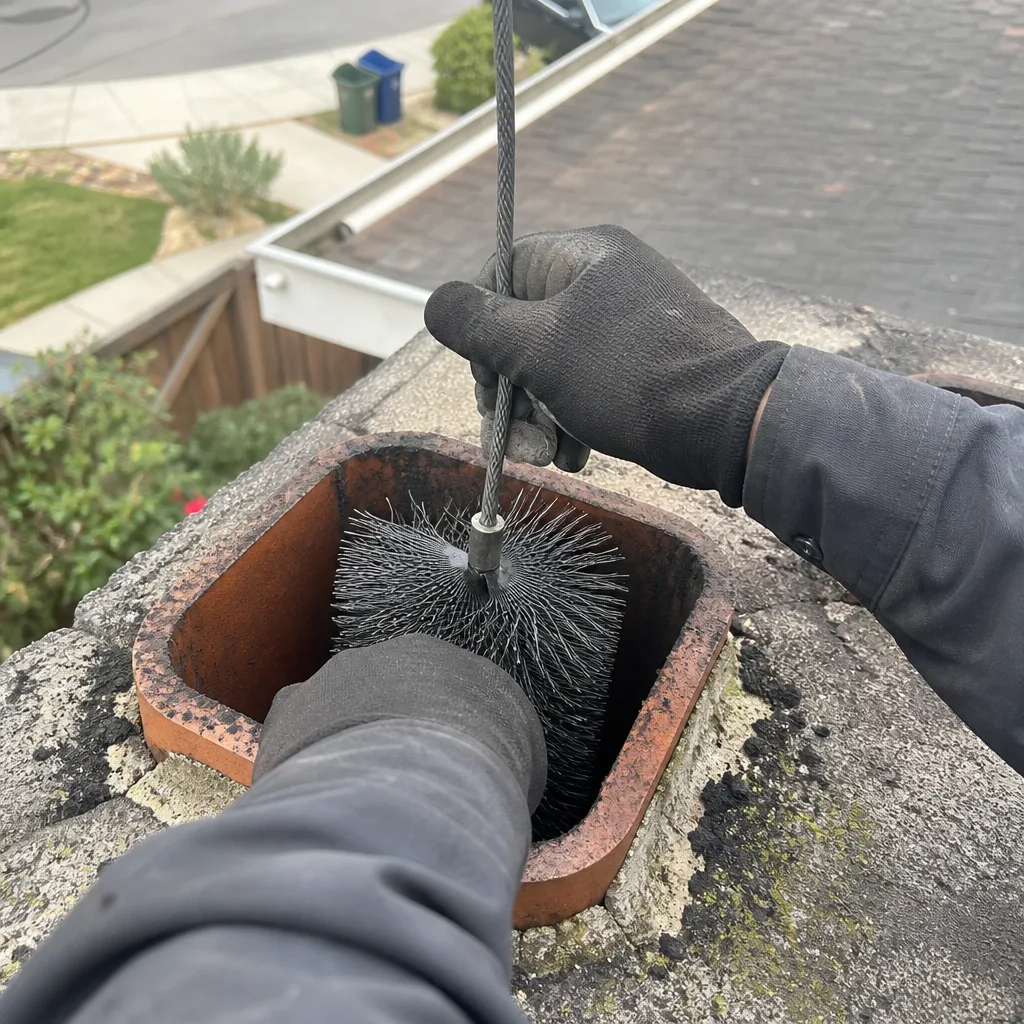
Because this is a pricing guide, it’s worth being specific about what you’re paying for – not just the liner material, but the complete scope of a properly done installation.
Before we touch a liner, a Chimney Liner & Rebuild in Santa Clara job starts with the camera inspection. The camera goes down the flue and documents the tile condition, any offset or change in flue shape, the condition of the smoke chamber and firebox, and the crown and cap above. You get photos. You get a written description of findings. Then you get a written price. That sequence – camera, findings, written price – is non-negotiable under Haven Standard Clause 1. Nothing starts until you have all three in hand.
The liner installation itself varies by type. A flexible stainless liner gets measured to the flue run, connected to the appliance collar at the bottom and the chimney cap at the top, and insulated with a ceramic fiber wrap where the flue configuration requires it. A HeatShield application involves cleaning the flue surface, then applying a ceramic resurfacer by brush or spray in multiple passes, with a mandrel pulled through to keep the bore consistent. A cast-in-place liner uses a form balloon pulled up through the flue while the castable material is poured around it and allowed to cure. Each method has a different set of conditions it’s suited for; the camera findings tell us which one belongs in your chimney.
When rebuild work is part of the scope – whether that’s rebuilding the smoke chamber with refractory parging, replacing spalled firebox brick, or reconstructing the crown and upper courses above the roofline – the mason work happens before the liner goes in. You don’t install a new liner into a structurally compromised chimney. The written scope will spell out the sequencing so you know exactly what happens on which day and why.
When the job is done, you get a documented photo record of the completed installation – Clause 4 of the Haven Standard – and a written warranty. The 365-Day Done Right Promise covers every job: if it’s not right, we come back and make it right. That’s not conditional language. It’s written on every completed job record.
Chimney Liner Materials: What We Use and Why
Not all liner materials perform the same way, and in Santa Clara’s climate – cool, damp winters with occasional cold snaps that push the Bay Area’s typical mild temperatures down to near freezing – the choice of liner material matters for longevity.
Stainless steel flexible liners (DuraFlex, Olympia Chimney)
The most common choice for gas appliance conversions and wood-burning fireplace relining. A properly sized and insulated stainless liner handles thermal cycling well, resists condensation, and can be inspected by camera after installation if there’s ever a concern. DuraFlex systems we source through Haven’s network carry strong manufacturer warranties; we’ll confirm the warranty terms in writing before the job starts.
HeatShield cerfractory resurfacing
HeatShield is a ceramic resurfacing product applied to the interior of an existing flue to seal cracks and restore the liner’s integrity without removing the original tile. It’s a good option when the tile liner has surface cracking but retains its basic structure. In Santa Clara homes where the flue geometry is irregular or the chimney configuration makes a liner drop difficult, HeatShield often costs less than a full liner installation and performs reliably when applied correctly. It’s not the right call for tile that is actively fragmenting or for flues with large sections of missing tile – that’s where the camera image makes the diagnosis clear.
Cast-in-place liners
For oval or rectangular flues that don’t accommodate a round flexible liner, a cast-in-place system creates a new flue column inside the existing chimney. It adds structural mass to the chimney, which can help with older Santa Clara chimneys that have lost mortar integrity over decades of thermal and seismic stress. It’s also the highest-cost option, and it requires cure time before the appliance can be used. The written scope will include the cure period and what that means for your fireplace schedule.
Signs Your Santa Clara Chimney Needs a Liner or Rebuild
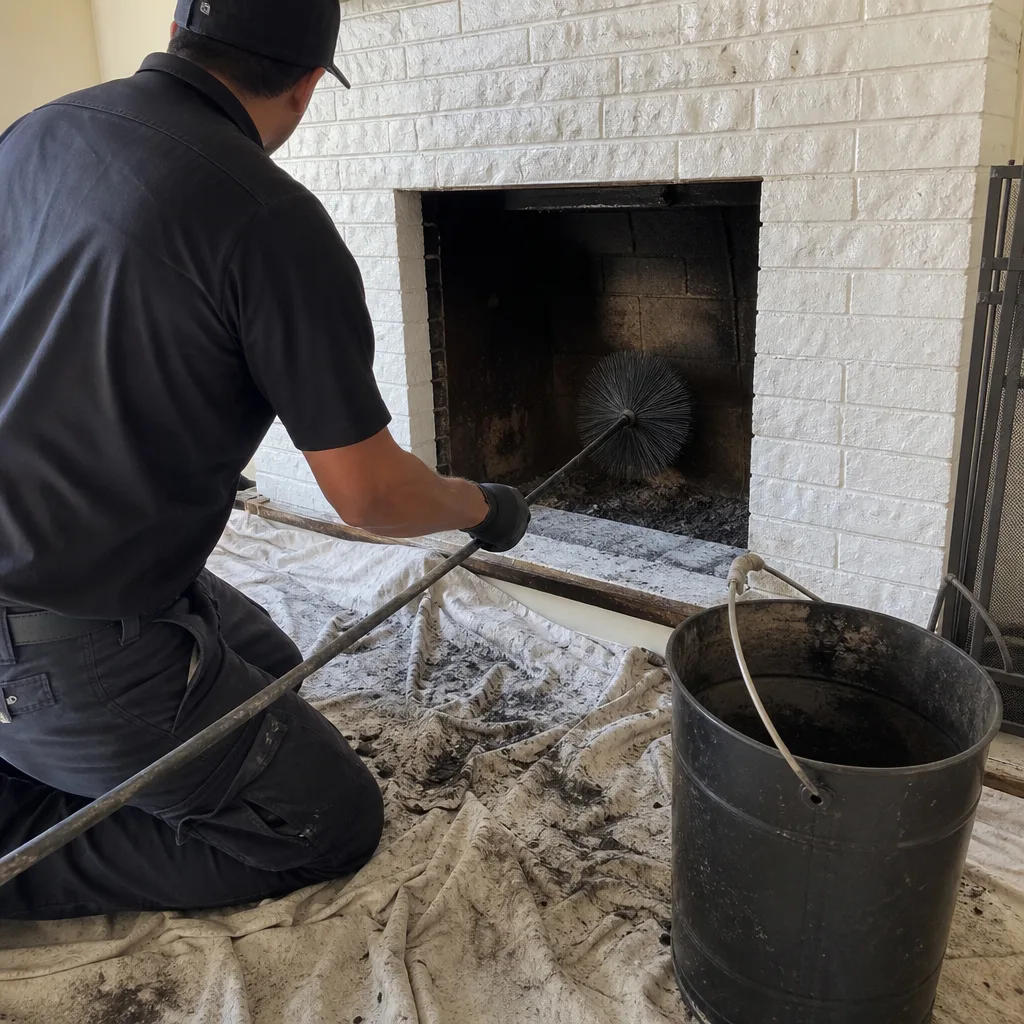
These are the conditions the camera finds most often in Santa Clara homes. Some are visible without a camera; most aren’t.
- Spalling tile in the firebox: If you’re finding terra cotta fragments on the smoke shelf or in the firebox after burning, the liner tiles are fracturing. That debris indicates thermal stress failure.
- White staining (efflorescence) on the exterior brick: Salts migrating through the masonry is a sign that moisture is moving through the chimney wall. Over time, that moisture deteriorates mortar joints and can compromise liner integrity.
- Drafting problems after a gas appliance installation: Many Santa Clara homeowners have converted wood-burning fireplaces to gas inserts. If the original flue liner is 8 or 10 inches and the gas insert collar is 4 or 6 inches, the oversized flue causes backdrafting – combustion gases come back into the living space instead of venting up. A properly sized liner solves this.
- Smoke entering the room during normal use: Not always a liner issue, but the camera inspection will rule it in or out. A cracked or collapsed liner section changes the airflow dynamics inside the flue.
- Chimney lean or visible mortar loss at the roofline: From the ground, this looks cosmetic. On camera or close inspection, it frequently involves compromised structural sections that need rebuild work before any liner installation proceeds safely.
- No record of a liner inspection in the past 10 years: Santa Clara’s housing market means many homes sell without a documented chimney inspection. If there’s no camera record, you don’t know the liner condition – and the prior owners may not have known either.
What a Level Two Camera Inspection Shows That a Flashlight Doesn’t
This is specific to how we work, and it’s relevant to cost because the inspection determines the scope. A flashlight inspection from the firebox opening can see the bottom 3 or 4 feet of the flue. It cannot see the offset sections, the area directly above the damper, or the condition of the liner at the crown end. A camera pushed down from the top shows every inch of the flue interior, documents any crack or displacement in the tile, and captures the smoke chamber and damper area on the way back up.
In 38,000-plus chimneys inspected since 2009, we’ve found conditions on camera that a visual inspection would have missed entirely – active crack networks in the mid-flue section, displaced tile from seismic events, sections of missing mortar between tile joints that allowed combustion gases to enter the chase. The documentation from those inspections has supported insurance claims, real estate transactions, and building permit applications across Santa Clara County.
That’s why the camera scan and photo record are included as standard on every visit, not priced separately. It’s not an upsell. It’s how you know the quote you’re being given reflects the actual condition of your chimney.
If you bought your Santa Clara home in the last few years and haven’t had a camera inspection, the home inspection report from escrow almost certainly included a note about the chimney requiring further evaluation by a specialist. That note is the starting point. We take it from there.
FAQs: Chimney Liner & Rebuild Cost in Santa Clara
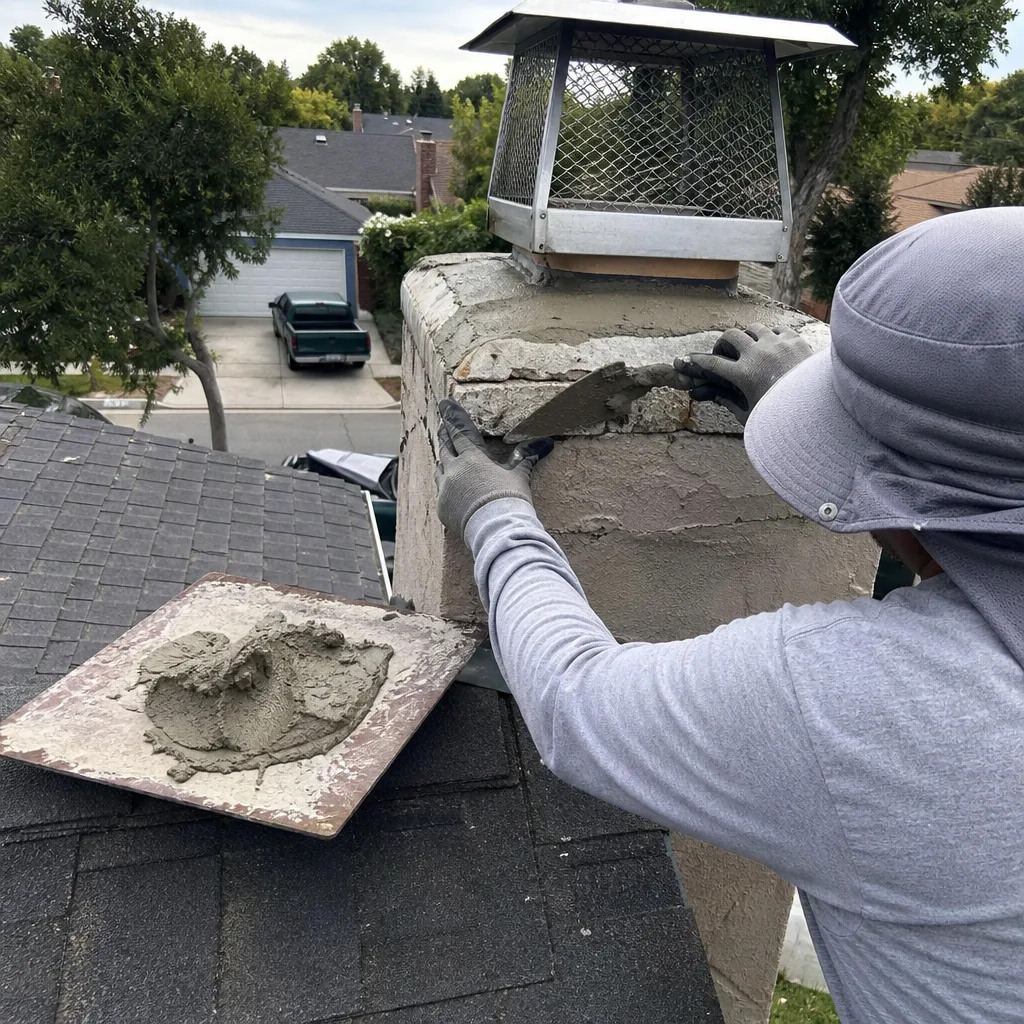
How much does chimney liner installation cost in Santa Clara, CA in 2026?
Chimney liner installation in Santa Clara costs $1,400 to $5,800 depending on liner type, flue height, and whether any masonry repair is included. A flexible stainless liner for a single-story home runs $1,400 to $2,200. A cast-in-place liner system for a taller or irregular flue runs $3,500 to $5,800. Every estimate from Level Two Chimney Santa Clara is written before any work starts. Call (650) 229-6358 for a free on-site estimate.
How much does a full chimney rebuild cost in Santa Clara?
A full chimney rebuild above the roofline in Santa Clara typically costs $3,800 to $6,800, including crown replacement, new cap, and flashing work. Partial rebuilds – firebox or smoke chamber only – run $1,800 to $3,400. Homes in older Santa Clara neighborhoods like Washington Park or Rivermark that have experienced seismic movement sometimes need structural repairs that push costs toward the upper end of those ranges. Call (650) 229-6358 and we’ll quote the exact scope in writing after the camera inspection.
Is chimney liner repair or replacement cheaper?
Repair is cheaper when the existing liner structure is sound enough to hold a resurfacing product like HeatShield – typically $1,600 to $3,200 for a partial application versus $2,000 to $2,800 for a full liner replacement. When the tile is actively fragmenting or has collapsed sections, repair isn’t a safe option and replacement costs less in the long run than patching a failing system. The camera image tells you which situation you’re in. We won’t recommend replacement when repair is the honest answer, and we won’t recommend repair when the liner condition makes replacement necessary.
Does Santa Clara require a permit for chimney liner installation?
Yes, for structural work or appliance changes, Santa Clara’s building department requires a permit. Permit fees typically run $150 to $400 depending on the scope of work. We flag permit requirements in the written estimate and factor the cost into the total price quote so there’s no surprise at the end of the job. Work that doesn’t involve structural modification or appliance changes may not require a permit, but we confirm that on a job-by-job basis and document the determination in writing.
How long does chimney liner installation take in Santa Clara?
A flexible stainless liner installation on a single-story Santa Clara home takes 4 to 6 hours for a two-person crew. A HeatShield application takes longer – typically one to two full days depending on flue length and how many passes the condition requires. A cast-in-place liner involves a curing period of several days before the appliance can be used. Rebuild work is scoped by the linear footage of masonry and typically runs one to three days. The written scope we provide before work starts includes a realistic time estimate so you know what to plan for.
Can I use my fireplace while waiting for a liner repair?
If the camera inspection finds a cracked or deteriorated liner, we will tell you not to use the fireplace until it’s repaired – and we’ll tell you why in plain terms in the written findings. A compromised liner can allow carbon monoxide to migrate through the chase wall into living spaces. That’s not a condition to work around while you schedule service. If you’re in that situation right now, call (650) 229-6358 and we’ll get a camera on it promptly.
Why Santa Clara Homeowners Use Level Two Chimney Co.
The short answer is documentation. We put the camera down the flue, write up exactly what it shows, give you a written price before anyone picks up a tool, and hand you a photo record when the job is done. The 365-Day Done Right Promise backs every job in writing. If something isn’t right within a year of the completed work, we come back and fix it – no argument, no charge.
Corrine Halstead leads the team at Level Two Chimney Santa Clara, and the standard she holds every technician to is the same one the company was built on in 2009: show the customer exactly what you found, price it honestly before you start, and document it when you’re done. That practice – camera-down, written price, photo record – predated any regulatory or insurance requirement for it. It’s just how a job should be done.
We’ve completed more than 38,000 chimney inspections and cleanings since opening, every one with a written price and a documented record. Background-checked, uniformed technicians. License information on the page. A live person on the phone at any hour. And a free second opinion on any written estimate you bring us – no appointment required, no obligation.
If you’re a Santa Clara homeowner researching chimney liner or rebuild costs, the next step is a camera inspection and a written price. Call (650) 229-6358 to schedule. Free estimate, written scope, no pressure to decide on the spot.
Pricing reflects the Santa Clara market as of 2026. Level Two Chimney Santa Clara offers free estimates – call (650) 229-6358.
Written by Corrine Halstead, Owner at Level Two Chimney Santa Clara, serving Santa Clara since 2009.
What Our Customers Say
"Found a bird nest and a blocked flue we had no idea about. Photographed everything, cleared it, and explained what the smell had been."
- Curtis V."Cap and crown replaced after water was getting in. Price was quoted in writing, and they showed me the mortar failure first."
- Neil O."They ran a camera down the flue and showed me the cracked tiles on a screen. The previous company had swept it twice and never mentioned it."
- Gregory F.